|
Liverpool (4) (a) Maritime Museum and (b) International Museum of Slavery Both these great museums are housed in a building in the Albert Dock complex
Email:
chem55555@hotmail.com
[Author
and photographer
Notes on (a) Maritime Museum, Liverpool Notes on (b) International Museum of Slavery
Liverpool (4a) The Maritime Museum
Maritime Museum: 'A Lucky Seaman' story - true or false?
Liverpool Maritime Museum: The Ismay Testimonial Silver
Liverpool Maritime Museum: Builder's model of the steamships Olympic/Titanic from 1910
Liverpool Maritime Museum: the ship MAURETANIA in dazzle paint, by Burnett Poole (1919)
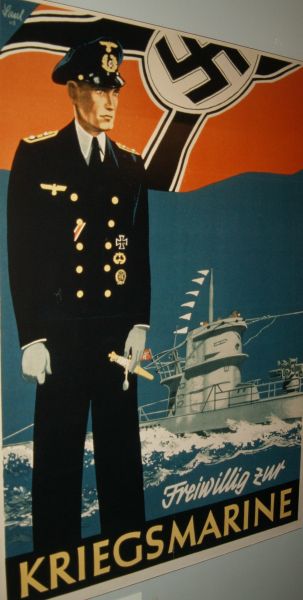
Maritime Museum: Posters from both sides of World War II
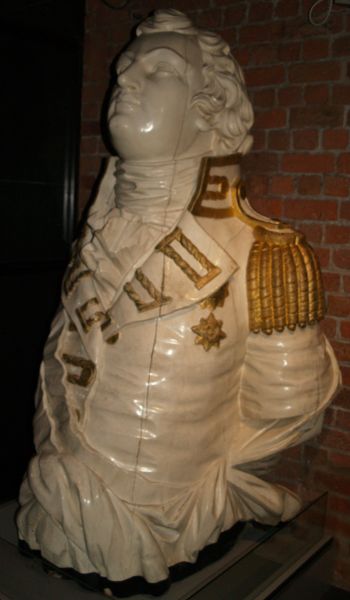
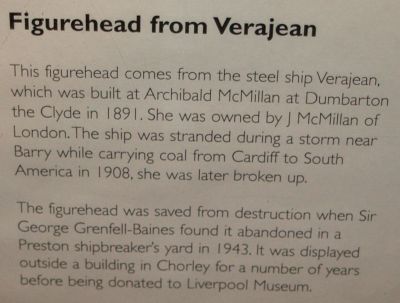
Maritime Museum: Ship figureheads Left: Figurehead from H.M.S. Hastings built in Calcutta in 1819 & Right: Figurehead from VERAJEAN a steel ship built in Dumbarton on the River Clyde in 1891.
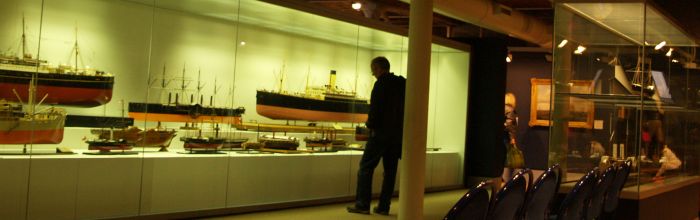
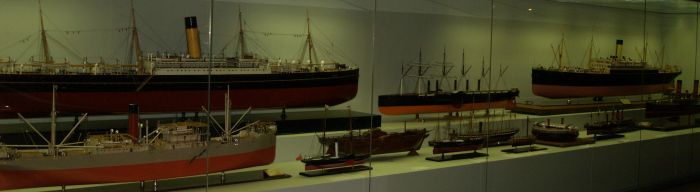
Maritime Museum: Some super displays of model ships, many associated with Liverpool and the River Mersey docks and harbour.
Maritime Museum:
Maritime Museum:
Liverpool Maritime Museum: The painting 'Canada Timber Docks, Liverpool, Towards Close of Day' by Robert Dudley (active 1865-1891)
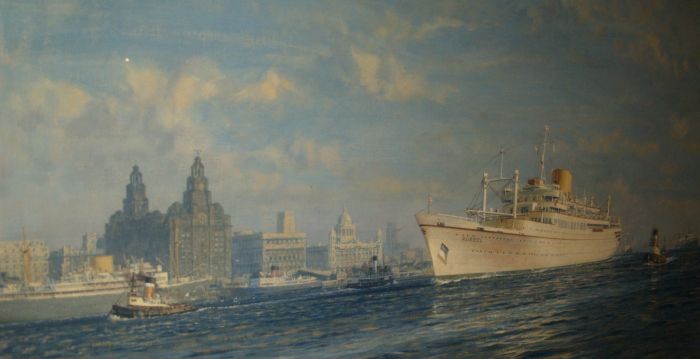
Liverpool Maritime Museum painting The fine ocean going ship AUREOL off Liverpool Pierhead in 1966, artist John Stobart (born 1929).
Notes on (a) Maritime Museum, Liverpool The Merseyside Maritime Museum at the Royal Albert Dock is one of Liverpool’s most important heritage institutions, because it tells the story of the city’s rise, tragedies, and global connections through the sea. It sits at the heart of the Albert Dock complex, itself a symbol of Liverpool’s maritime power and later regeneration. What the Maritime Museum IsThe museum explores Liverpool’s maritime history, from the age of sail and emigration to the Titanic, Lusitania, smuggling, and the Merchant Navy. It is part of National Museums Liverpool and located in the Grade I listed Albert Dock warehouses (1846), once among the most advanced dock buildings in the world. Although the museum is currently closed for major redevelopment, its collections, virtual tours, and outreach programmes remain active. Why the Albert Dock MattersThe Albert Dock was revolutionary when opened in 1846: fireproof warehouses, hydraulic cranes, and direct ship‑to‑warehouse unloading halved turnaround times. It became a symbol of Liverpool’s global trading power. After decline and abandonment in the 1970s–80s, it was restored as part of the city’s renaissance and now houses the Maritime Museum and International Slavery Museum. Core Galleries and Themes1. Titanic CollectionLiverpool was Titanic’s registered home port, and the museum holds one of the UK’s most significant collections:
2. Lusitania CollectionLiverpool’s deep connection with the Cunard liner is explored through:
3. Emigration GalleryMillions of people departed Liverpool for North America and beyond. This gallery tells:
4. Life on BoardA major gallery exploring:
5. Seized! The Border Force GalleryLocated in the basement, this is the UK’s national museum of the Border Agency:
6. Art & the SeaA large collection of:
Special Collections and StoriesThe museum also interprets:
Visitor Experience (Pre‑Redevelopment)Before closure, the museum offered:
Virtual tours (Titanic, Life on Board, Seized!) remain available online. The Museum’s Place in Liverpool’s StoryThe Maritime Museum is not just a collection of objects—it is a lens through which to understand Liverpool itself:
Its presence in the restored Albert Dock symbolises Liverpool’s transformation from industrial decline to cultural powerhouse. Here is a clear, structured, Liverpool‑focused timeline of maritime history, designed to show how the city’s story and the sea are inseparable. It emphasises the themes you consistently work with: heritage, chronology, and the shaping of place. Timeline of Liverpool’s Maritime HistoryPre‑1700: Origins of a Port
1700–1800: Rise of a Global Port
1800–1870: Industrial Powerhouse
1870–1914: Age of Steam, Emigration & Ocean Liners
1914–1945: War, Convoys & the Battle of the Atlantic
1945–1970: Post‑war Peak and Decline
1980–2000: Regeneration & Heritage
2000–Present: Renewal, Culture & Memory
Why This Timeline MattersLiverpool’s maritime history is not a side‑story—it is the story of the city:
Liverpool (14b) The International Museum of Slavery
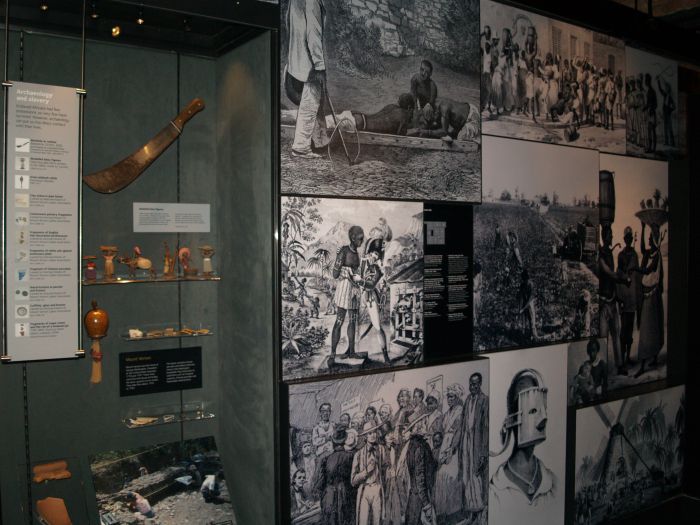
International Museum of Slavery: The terrible tragic story of slavery is graphically portrayed in uncompramising detail. The display illustrated above tells the story of various slave revolts and uprising which were brutally suppressed.
International Museum of Slavery: The unspeakable crimes against humanity perpetrated by supposed Christians!
International Museum of Slavery:
Liverpool International Museum of Slavery: One of several African artefact displays
International Museum of Slavery:
International Museum of Slavery: Native African artefacts - see key below
Liverpool International Museum of Slavery - African musical instruments
International Museum of Slavery: Left: A figure of an enslaved African breaking free of his chains - carved in wood, American, late 19th century. This full sized figure is similar to other carved figures in the American folk art tradition. Right: 'Consider slavery - what it is - how bitter a draught and how many are made to drink it! Quote from Ignatius Sancho in 1776. Ignatius Sancho lived from 1729 to 1780 and was a respected figure in literacy and musical circles. He was born on a slave ship carrying his enslaved mother to the Americas. Notes on (b) International Museum of Slavery The International Slavery Museum at the Royal Albert Dock is one of the most powerful, challenging, and necessary museums in Britain. It is not simply a gallery about the past — it is a place where Liverpool confronts its own history, where global stories of exploitation and resistance are told with honesty, and where visitors are invited to reflect on the legacies of slavery that still shape the modern world. What follows is a deep, structured, and context‑rich guide, written for someone who values layered history, heritage interpretation, and the relationship between place and memory. What the International Slavery Museum IsThe museum, opened in 2007, is the only national museum in the world dedicated to:
It occupies the third floor of the Merseyside Maritime Museum building — a deliberate choice, placing the story of slavery inside the very warehouses built from the wealth of Atlantic trade. The museum is currently undergoing major redevelopment, but its mission, collections, and digital resources remain active. Why Liverpool Is Central to This StoryLiverpool was Britain’s largest slave‑trading port in the 18th century. By the 1790s:
The museum does not shy away from this. It confronts it directly, making the Albert Dock a site of remembrance as well as regeneration. Core Galleries and Themes1. Africa Before EnslavementA crucial corrective to older narratives, this gallery presents Africa as:
It establishes that slavery was not the “beginning” of African history. 2. The Transatlantic Slave TradeThis is the emotional and historical core of the museum. It covers:
Objects include shackles, branding irons, ship models, and personal testimonies. The interpretation is unflinching. 3. Enslaved Peoples’ Lives & ResistanceA powerful section that emphasises agency, not just suffering. It explores:
The message is clear: enslaved people were not passive victims — they resisted, adapted, and shaped the modern world. 4. Legacies of SlaveryThis gallery connects past to present, examining:
It is one of the most thought‑provoking parts of the museum, often prompting visitors to reflect on their own society. 5. Contemporary VoicesThe museum works closely with:
Temporary exhibitions often feature modern art, photography, and personal stories that link history to lived experience. The Emotional ExperienceVisitors often describe the museum as:
The combination of personal testimonies, stark objects, and the knowledge that you are standing in a dock built on slavery‑derived wealth creates a powerful sense of place. It is not a museum you simply “visit” — it is one you carry with you. The Museum in the Albert Dock ContextThe location is part of the message:
Current RedevelopmentThe museum is undergoing a major transformation to:
This will make it one of the most significant cultural institutions in Europe dealing with slavery and its legacies. Why It MattersThe International Slavery Museum is important because it:
It is, quite simply, one of the most powerful museum experiences in the UK. Here is a clear, authoritative, and emotionally honest timeline of the transatlantic slave trade, written to match the depth and structure you prefer. It places Liverpool within the wider global chronology but keeps the focus on the human story, the systems that enabled it, and the long afterlife of slavery. Timeline of the Transatlantic Slave Trade1400s–1500s: Origins of European Enslavement in Africa
1600–1700: Expansion into a Global System
1700–1807: Liverpool Becomes the EpicentreThis is the period most directly connected to the International Slavery Museum.
1807–1838: Abolition, Resistance, and Emancipation
1840–1900: Aftermath and Legacies
1900–1960: Civil Rights and Memory
1980–2007: Public History and Reckoning
2007–Present: Legacy, Justice, and Ongoing Struggles
The Scale of the Trade (Key Facts)
Liverpool’s Place in the TimelineLiverpool was not the origin of the trade — but it became its most powerful engine in the 18th century. The city’s docks, merchants, banks, and civic institutions were deeply entangled in the profits of slavery. The International Slavery Museum stands as a direct response to that history. North West of England Liverpool scenes docspics images pictures © Phil Brown top tourist attractions in Liverpool, tourist information on Liverpool, student accommodation in Liverpool, luxury hotels, hostels to suit all budgets, B&B, self-catering flats, dining out in Liverpool, pubs, cafes, restaurants, museums, art galleries, guided tours of Liverpool docks, colleges, universities, churches, cathedrals, music concerts, theatres, cinemas, River Mersey, mini-breaks in North-West England
Liverpool Index
Email:
chem55555@hotmail.com
LIVERPOOL PICTURE INDEX: Liverpool (1)
The Albert Dock, Salthouse Dock,
Canning Dock and Wapping Dock Area Liverpool (2)
The
Pierhead and 'Three Graces' Buildings Area Liverpool (3)
The
'NEW' Museum of Liverpool (4)
The
Maritime Museum and The International Museum of Slavery Liverpool (5)
Lime
Street Station, Mount Pleasant and University Area Liverpool (6)
Bold
Street Area, Bluecoat School Chambers and St Luke's Church Liverpool (7)
The
Roman Catholic Metropolitan Cathedral of Christ the King & Crypt Liverpool (8)
The
Anglican Cathedral Liverpool (9)
A
Miscellany of Buildings Liverpool (10)
St
George's Hall Area & William Brown Street Liverpool (11)
The Walker Art Gallery Liverpool (12)
The World Museum Liverpool (13)
YHA Youth Hostel and some places to eat and
drink
Liverpool (14)
A Ferry Trip on the River Mersey Ferryboat
the ROYAL IRIS Liverpool (15)
The Tate Modern Art Gallery,
Liverpool (16)
The Central Library and a wild flower garden! docspics images photos of Maritime Museum Liverpool © Phil Brown Tourist information on Maritime Museum Liverpool, Walks near, Holidays near Maritime Museum Liverpool, England, Top tourist attractions of Maritime Museum Liverpool, luxury hotels in Maritime Museum Liverpool, self-catering holiday cottages near Maritime Museum Liverpool, B&B near Maritime Museum Liverpool, friendly pubs near Maritime Museum Liverpool, cafes near Maritime Museum Liverpool, eating out in fine restaurants near Maritime Museum Liverpool, weekend breaks near Maritime Museum Liverpool, wining & dining weekends near Maritime Museum Liverpool, walking holidays around the Maritime Museum Liverpool, touring coach tours including Maritime Museum Liverpool, pretty villages near Maritime Museum Liverpool, historic town/village of Maritime Museum Liverpool, museums near Maritime Museum Liverpool, local art galleries near Maritime Museum Liverpool, guided walks from Maritime Museum Liverpool, excellent fell hill walking around Maritime Museum Liverpool, rambling, exploring the landscape near Maritime Museum Liverpool. good places to eat near Maritime Museum Liverpool tourist attractions near Maritime Museum Liverpool tourist information for places near Maritime Museum Liverpool good places for wining and dining near Maritime Museum Liverpool good walks near Maritime Museum Liverpool properties for sale near Maritime Museum Liverpool, renting a flat of house near Maritime Museum Liverpool, property for rent near Maritime Museum Liverpool, houses for sale near Maritime Museum Liverpool, lettings near Maritime Museum Liverpool places to rent near Maritime Museum Liverpool holiday cottage accommodation near Maritime Museum Liverpool docspics images photos of Maritime Museum Liverpool northwest England © Phil Brown Tourist information on Maritime Museum Liverpool, Things to do in Maritime Museum Liverpool, What to see in Maritime Museum Liverpool, Walks in Maritime Museum Liverpool, weekend breaks in Maritime Museum Liverpool holidays in Maritime Museum Liverpool, Top tourist attractions of Maritime Museum Liverpool, luxury hotels in Maritime Museum Liverpool, self-catering holiday cottages in Maritime Museum Liverpool, B&B in Maritime Museum Liverpool, friendly pubs in Maritime Museum Liverpool, cafes in Maritime Museum Liverpool, eating out in fine restaurants in Maritime Museum Liverpool, bargain holiday breaks in Maritime Museum Liverpool, wining & dining weekends in Maritime Museum Liverpool, touring coach tours including Maritime Museum Liverpool, pretty villages in Maritime Museum Liverpool, historic towns in Maritime Museum Liverpool, visiting museums in Maritime Museum Liverpool, local art galleries in Maritime Museum Liverpool, guided walks from Maritime Museum Liverpool, history of Maritime Museum Liverpool, architecture of Maritime Museum Liverpool trains to Maritime Museum Liverpool historic houses in Maritime Museum Liverpool historic churches in Maritime Museum Liverpool historic buildings good places to eat in Maritime Museum Liverpool tourist attractions in Maritime Museum Liverpool tourist information for things to do and see in Maritime Museum Liverpool good places to eat out in Maritime Museum Liverpool good walks from Maritime Museum Liverpool tourist attractions properties for sale in Maritime Museum Liverpool, renting a flat of house in Maritime Museum Liverpool, property for rent in Maritime Museum Liverpool, houses for sale in Maritime Museum Liverpool, lettings in Maritime Museum Liverpool places to rent in Maritime Museum Liverpool holiday cottages accommodation in Maritime Museum Liverpool docspics images photos of International Museum of Slavery Liverpool © Phil Brown Tourist information on International Museum of Slavery Liverpool, Walks near, Holidays near International Museum of Slavery Liverpool, England, Top tourist attractions of International Museum of Slavery Liverpool, luxury hotels in International Museum of Slavery Liverpool, self-catering holiday cottages near International Museum of Slavery Liverpool, B&B near International Museum of Slavery Liverpool, friendly pubs near International Museum of Slavery Liverpool, cafes near International Museum of Slavery Liverpool, eating out in fine restaurants near International Museum of Slavery Liverpool, weekend breaks near International Museum of Slavery Liverpool, wining & dining weekends near International Museum of Slavery Liverpool, walking holidays around the International Museum of Slavery Liverpool, touring coach tours including International Museum of Slavery Liverpool, pretty villages near International Museum of Slavery Liverpool, historic town/village of International Museum of Slavery Liverpool, museums near International Museum of Slavery Liverpool, local art galleries near International Museum of Slavery Liverpool, guided walks from International Museum of Slavery Liverpool, excellent fell hill walking around International Museum of Slavery Liverpool, rambling, exploring the landscape near International Museum of Slavery Liverpool. good places to eat near International Museum of Slavery Liverpool tourist attractions near International Museum of Slavery Liverpool tourist information for places near International Museum of Slavery Liverpool good places for wining and dining near International Museum of Slavery Liverpool good walks near International Museum of Slavery Liverpool properties for sale near International Museum of Slavery Liverpool, renting a flat of house near International Museum of Slavery Liverpool, property for rent near International Museum of Slavery Liverpool, houses for sale near International Museum of Slavery Liverpool, lettings near International Museum of Slavery Liverpool places to rent near International Museum of Slavery Liverpool holiday cottage accommodation near International Museum of Slavery Liverpool docspics images photos of International Museum of Slavery Liverpool northwest England © Phil Brown Tourist information on International Museum of Slavery Liverpool, Things to do in International Museum of Slavery Liverpool, What to see in International Museum of Slavery Liverpool, Walks in International Museum of Slavery Liverpool, weekend breaks in International Museum of Slavery Liverpool holidays in International Museum of Slavery Liverpool, Top tourist attractions of International Museum of Slavery Liverpool, luxury hotels in International Museum of Slavery Liverpool, self-catering holiday cottages in International Museum of Slavery Liverpool, B&B in International Museum of Slavery Liverpool, friendly pubs in International Museum of Slavery Liverpool, cafes in International Museum of Slavery Liverpool, eating out in fine restaurants in International Museum of Slavery Liverpool, bargain holiday breaks in International Museum of Slavery Liverpool, wining & dining weekends in International Museum of Slavery Liverpool, touring coach tours including International Museum of Slavery Liverpool, pretty villages in International Museum of Slavery Liverpool, historic towns in International Museum of Slavery Liverpool, visiting museums in International Museum of Slavery Liverpool, local art galleries in International Museum of Slavery Liverpool, guided walks from International Museum of Slavery Liverpool, history of International Museum of Slavery Liverpool, architecture of International Museum of Slavery Liverpool trains to International Museum of Slavery Liverpool historic houses in International Museum of Slavery Liverpool historic churches in International Museum of Slavery Liverpool historic buildings good places to eat in International Museum of Slavery Liverpool tourist attractions in International Museum of Slavery Liverpool tourist information for things to do and see in International Museum of Slavery Liverpool good places to eat out in International Museum of Slavery Liverpool good walks from International Museum of Slavery Liverpool tourist attractions properties for sale in International Museum of Slavery Liverpool, renting a flat of house in International Museum of Slavery Liverpool, property for rent in International Museum of Slavery Liverpool, houses for sale in International Museum of Slavery Liverpool, lettings in International Museum of Slavery Liverpool places to rent in International Museum of Slavery Liverpool holiday cottages accommodation in International Museum of Slavery Liverpool |












 Enter place, street, building, feature, or anything else about LIVERPOOL!