|
8a. The DART train ride - Dublin Area Rapid Transit A coastal walk trip on the DART to Greystones and Bray, Co. Wicklow - A ride on the DART and a really beautiful classic coastal cliff walk Sub-index for this page Section 1. Description of the DART transport system Section 2. Links to the current 31 DART stations Section 3. Starting the DART ride from Malahide Section 4. Starting the DART journey from Howth Section 5. Continuing the DART trip south from Howth Junction Section 6. Entering Dublin Section 7. Heading south from Dublin on the DART train Section 8. Continuing south on the DART train as the coastal scenery comes into view Section 9. Exploring Greystones - currently end of the DART line Section 10. The coastal walk back from Greystones to Bray Section 11. Exploring Bray Extra notes on the DART train ride from Malahide or Howth south to Greystones Section 12. Some UK railway 'connections' Scenes from DUBLIN CITY and surrounding area [Author & photographer © Dr Phil Brown PhD plus some AI help, updated May 16th 2026] Dublin Scenes and Notes Index * The spectacular Bray Air Display Show 2018 See also the Picture sequence based on the Bray to Greystones coastal walk
*
Section 1. Description of the
DART transport system
Dublin’s DART System — A Complete, Clear Guide
1. What the DART is
The DART is one of the few fully electrified rail corridors in Ireland and is known for its reliability and coastal views. 2. Route & Key StationsThe DART runs along Dublin Bay, connecting major residential, business, and tourist areas. Northern Terminus Options
Southern Terminus
Important Stations
The line is famous for its scenic coastal sections, especially between Dublin and Bray. 3. Frequency & Travel Experience
4. Rolling StockThe DART uses several classes of electric multiple units, including:
Newer trains are being introduced as part of the DART+ fleet expansion, including modern, higher‑capacity units. 5. DART+ Programme — The Future of Dublin RailThe DART+ Programme is a major expansion plan that will triple the length of the electrified network from ~50 km to over 150 km. Planned Extensions
This will transform the DART from a coastal line into a full metropolitan rail network. 6. Connections to Other TransportThe DART integrates with:
Maps often show DART alongside Luas and commuter lines for easy navigation. 7. Why the DART Is Important
8. Quick Facts (At a Glance)
9. Why Visitors Love It
Section 2. Links to the current 31 DART stations North of Howth Junction 1. Malahide, 2. Portmarnock, 3. Clongriffin Northeast of Howth Junction
4.
Howth, 5.
Sutton, 6.
Bayside Section 3. Starting the DART ride from Malahide Part (1) The DART train ride from Malahide and Howth North of Dublin along the coast down to Bray and Greystones Some of these pictures were taken through the carriage window, so not surprisingly they are not that good, BUT they do give a good impression of the delightful train ride from Dublin south to Bray and Greystones. DART = Dublin Area Rapid Transport. Prior to steam, then push and pull diesel rail cars, then DART. 1984 - initial phase of electrification, last sections completed in 2001, proposed extensions? 53 km track, 46 of it double carrying 20 million passengers per year, several disused stations were reopened, particularly with the general growth and development of Dublin and surrounding county. Various classes of EMU from 8100 to 8600, 1500 DC overhead pantograph power supply. Replacing ageing diesel powered traction. Very frequent DART service of 4, 6 or 8 carriage units (multiples of 2), operating up to 62 mph.
Ireland joined the European Common Market in 1973. North of Howth Junction 1. Malahide - the most northern start of the DART line Malahide 1844 DART 2000 Vikings came to the Malahide estuary in 795 Malahide has become an affluent suburb of Dublin. Medieval Castle, cricket ground, marina, housing developments.
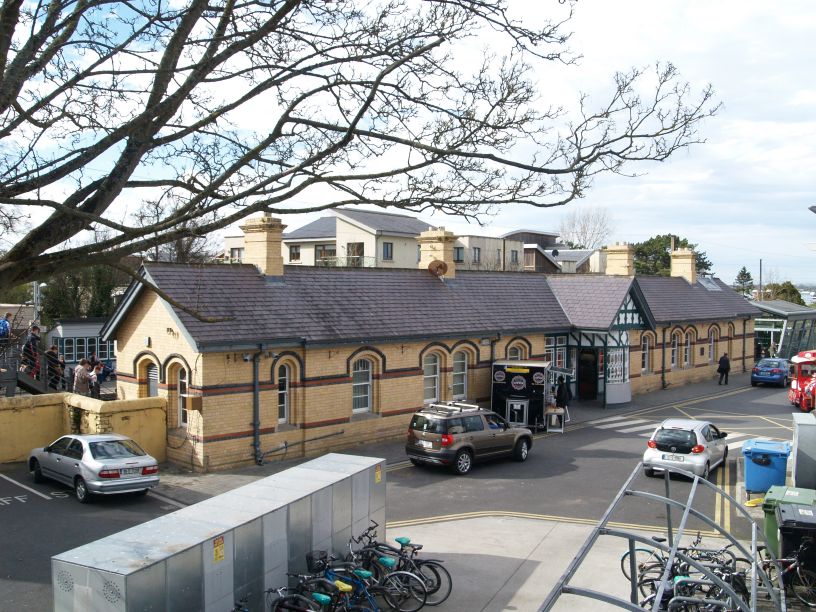
Malahide station
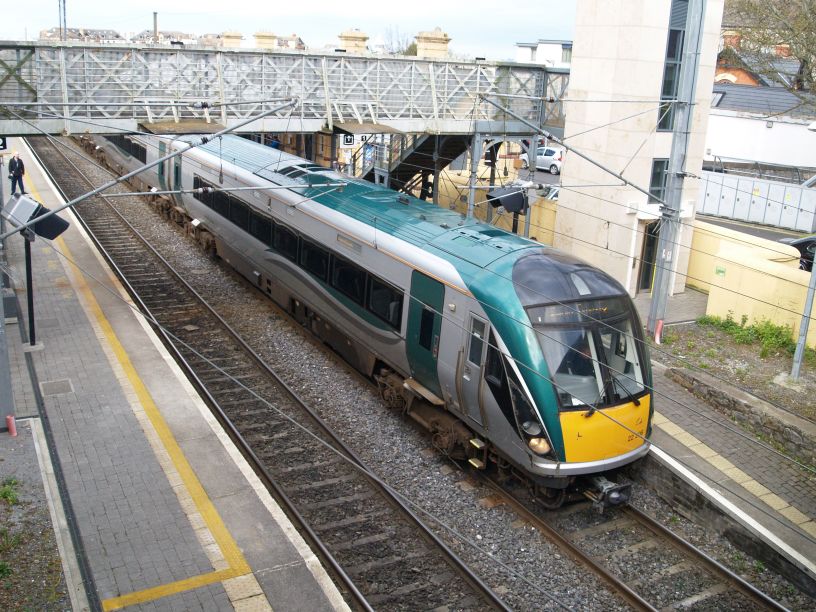
Class 22000 DMU for Intercity Routes, maximum speed of ~100 mph, in service and manufactured from 2007. Express DMU train from Drogheda to Dublin at Malahide station (same units for Belfast trains)
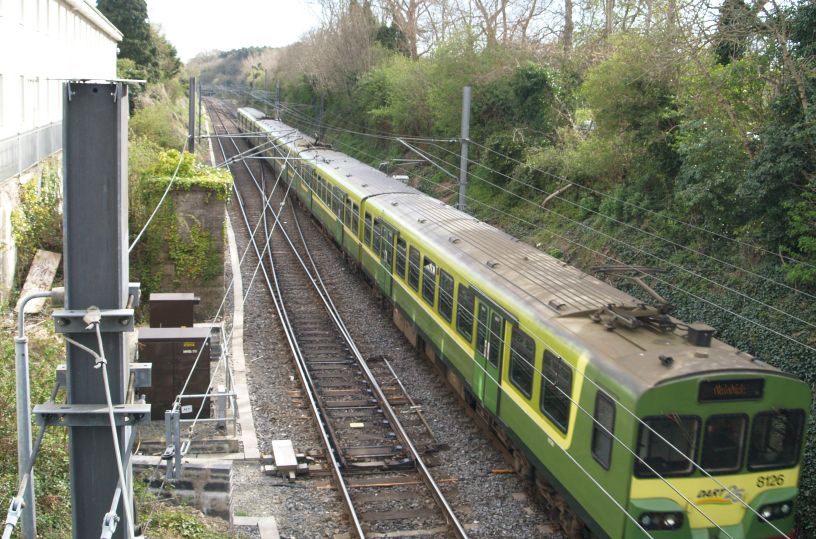
6 coach DART at Malahide headed by Class 8100 unit 8126 approaching Malahide station.
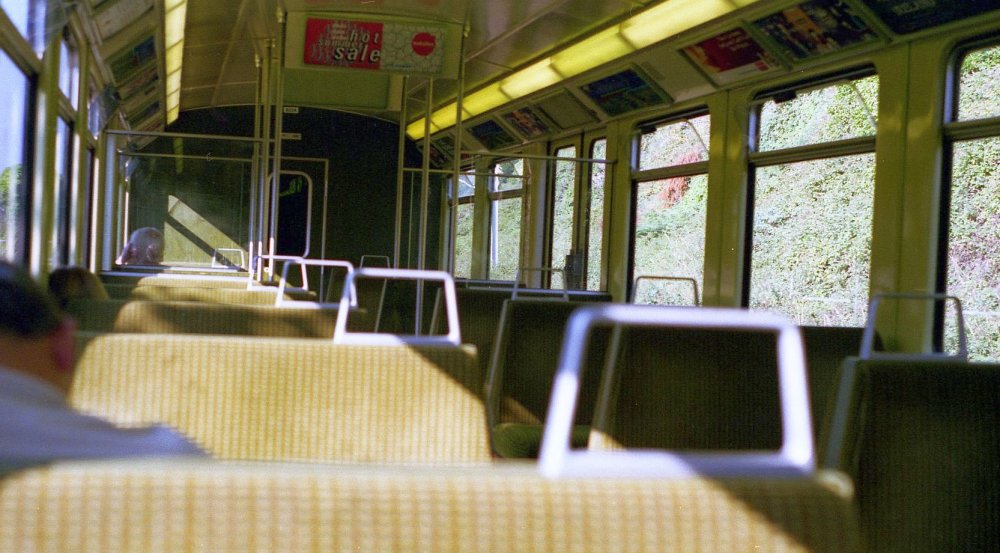
Steve: 018 interior of DART no. 8117 - functional !!!
The small 'formal' garden in front of Malahide Castle also important botanical gardens.
The earliest origins of Malahide Castle lie in the 12th century, and its use was continuous from 1185 to 1975! This historic castle was home to the Talbot family for 800 years but the Castle and Grounds have undergone extensive restoration and development, the latter particularly for the visiting tourist e.g. the Courtyards shopping centre and visitor centre. When last of the Talbots, a brother and sister died with no issue, state took over.
The cricket grounds and pitch of Malahide Cricket Club which you pass on the way back to Malahide village and station.
2. Portmarnock Portmarnock station,1844, DART connection 2000
Looking towards 'Ireland's Eye' and the 'Hills of Howth' from Portmarnock beach.
The Southern Cross Monument - a sculpture celebrating Portmarnock's role in aviation history. The Velvet strand was used as the runway for the first successful East to West Transatlantic flight, by the aircraft 'Southern Cross' on June 24th 1930, piloted by Australian aviator Sir Charles Kingford Smith, co-pilot Evert Van Dyk, Irish navigator Captain Paddy Saul and wireless operator John Stannage. The Velvet Strand was also used by aviators Jim Mollison to achieve the first East-West solo crossing of the Atlantic in the aircraft 'Hearts Content' and by Charles Ulm in 'Faith in Australia'.
Great weather at Portmarnock!
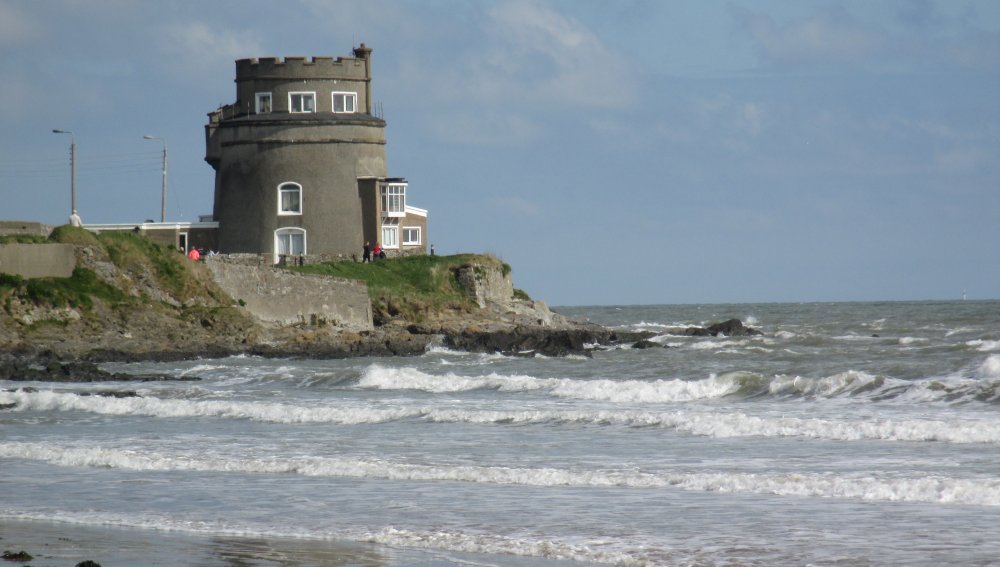
The name Martello (tower) comes from a the Mortlello Point defences in Corsica. The were designed as gun batteries and built in the Dublin area from 1803 to 1808 thwart any invasion by Napoleon's army (ironic!). 3. Clongriffin Clongriffin station only dates from 2010, link to the airport proposed but nothing happened in the direction of Swords to the west !! Section 4. Starting the DART journey from Howth North-east of Howth Junction - the north-east start of the DART line 4. Howth Howth station 1847, 1984 DART arrives Vikings came in 819, Howth's name is of Norse origin. Once a humble fishing village and small trading port from medieval times. Now a busy, affluent and upmarket suburb of Dublin, but still retains some active fishing boat business. Early 19th century became harbour for the steam packet postal service but relocated to Dún Laoghaire in 1809, In 1914 900 rifles landed from small boat for Irish Volunteers, organised by Erskine Childers and wife Molly!
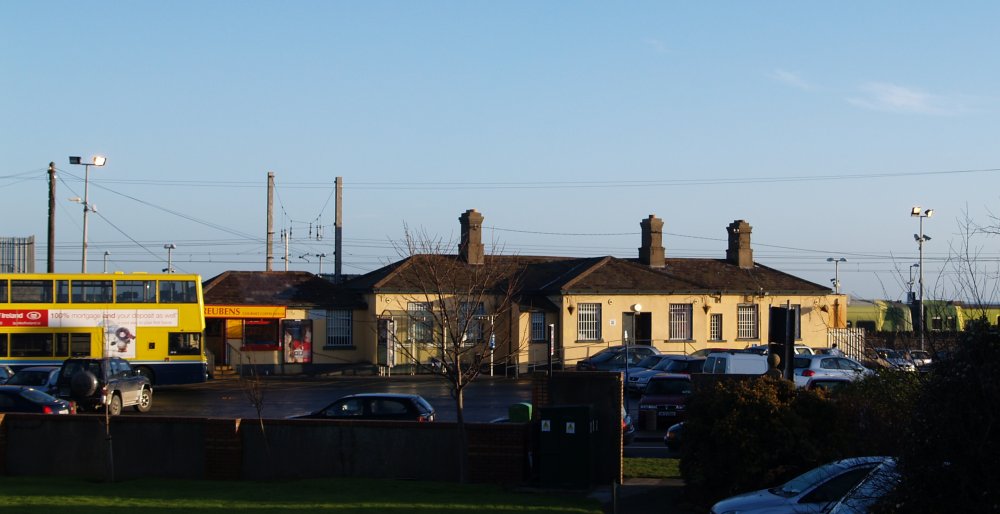
The Howth station pub called the 'Bloody Stream' Now that's a good use for the old station buildings at Howth, a pub bar and restaurant! but no time for a 'stop' now, so we press onto the harbour except when there is a Howth Sunday Market! Seafood bar and cafe
Beam trawler WD.39 BRIDGET CARMEL entering Howth harbour
Stern trawler MIANDA, DROGHEDA
Howth Abbey occupies the site of a church founded in 1042 by Sigtrygg, King of Dublin. This was replaced about 1235 by a new church founded by Luke, Archbishop of Dublin. The buildings seen now date from the late 14th or early 15th century.
5. Sutton Sutton station1846, one of two level crossing. Sutton (Cross) is a large residential suburb on the DART line.
Crossing the railway near Sutton station to find your way down to the beach.
and back over the level crossing back to Sutton Cross.
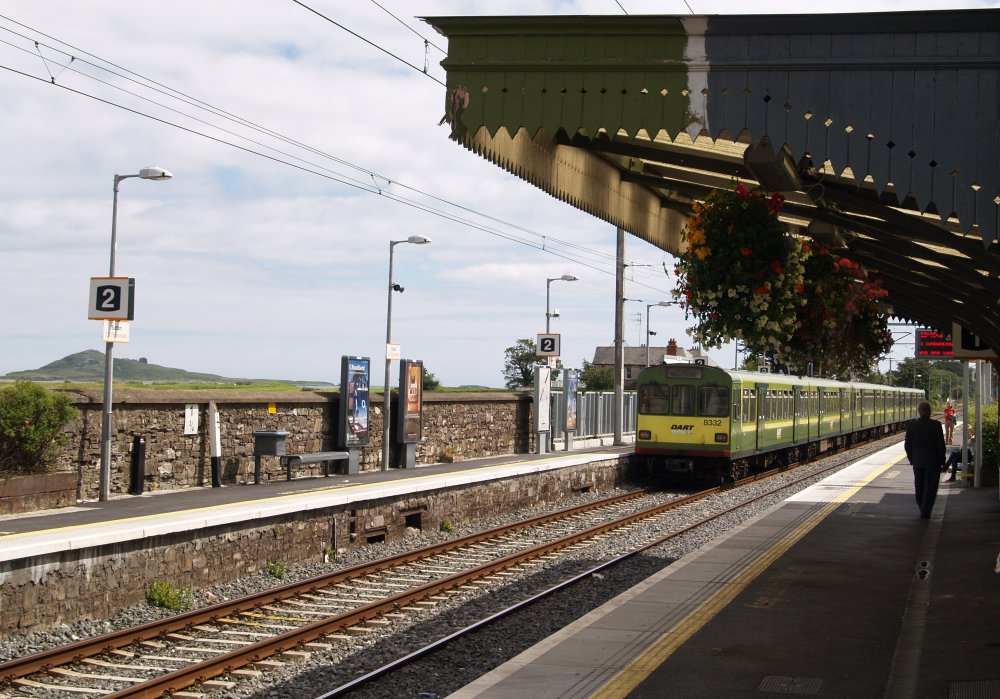
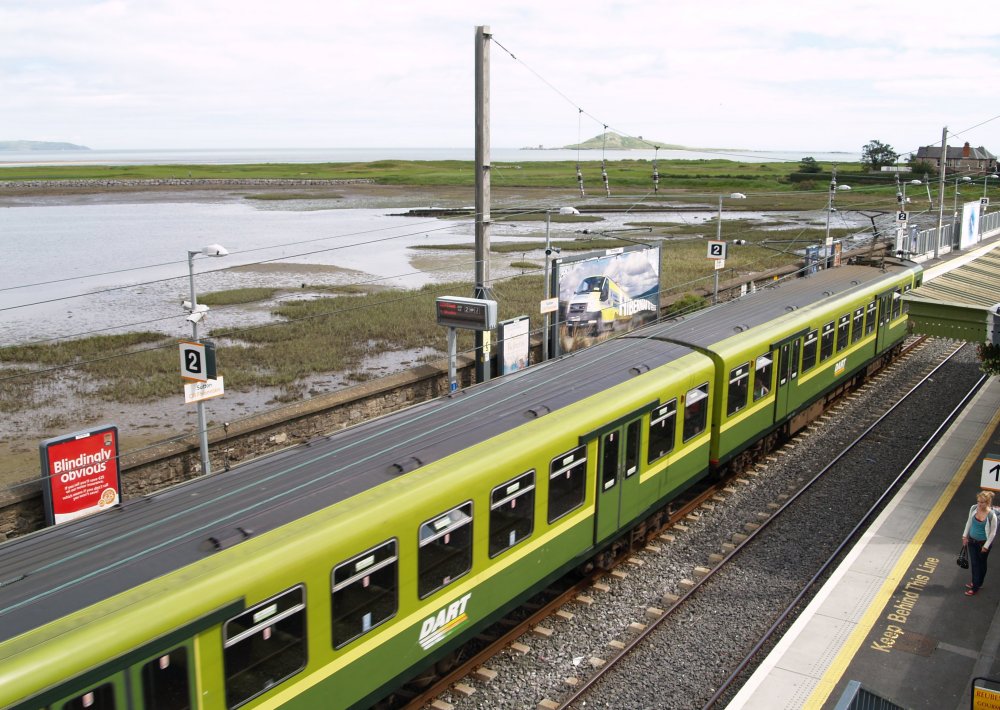
Sutton Station on the coastal DART line near where we used to stay. You can take the train to Howth and do the coastal cliff walk back to Sutton Station, or the other way round. You can even walk from Sutton to Howth on the beach or vice versa if the tide is out!
Catching the DART train at Sutton Station to head south along the coast to Killiney, en route a series of views from the train. Its a super train ride along the Dublin Bay coast and tickets are relatively cheap.
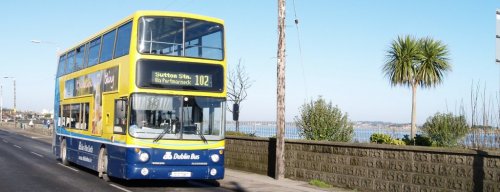
A Dublin bus approaching Sutton on the Malahide to Sutton Cross road. 6. Bayside Station opened 1973, prior to DART connection 1984
Section 5. Continuing the DART trip south from Howth Junction 7. Howth Junction & Donaghmede
Howth Junction
Station opened in1848, 4 platforms junction of N Belfast line via Malahide and NE branch line to Howth port. 8. Kilbarrack station opened 1969 9. Raheny station opened in 1844 10. Harmonstown opened in 1957 11. Killester station opened in 1845 closed 1847, reopened 1923, year 1922-1923 civil war ended 12. Clontarf Road Station opened in 1847, new station 1997
A new exhibition for 2015 Battle of Clontarf 1014 Timeline and Brian Boru at the National Museum of Ireland - archaeology Now an affluent coastal suburb of Dublin, but Clontarf was the site of the Battle of Clontarf in 1014, in which Brian Boru (died of wounds), High King of Ireland, defeated the Vikings of Dublin and their allies, the Irish of Leinster. This battle, which extended over a wide area, from modern Ballybough to Kilbarrack, at least, is seen as marking an end to the Irish-Viking Wars. So, Brian Baru defeated the last of the Viking rulers, but leaving some 7000-10000 dead
Dublin-Belfast railway trip: Crossing over the dock line and the Royal Canal, north of Connolly station - a Dockland's Station terminus station has existed from 2007, 1500 passengers daily.
Dublin-Belfast railway trip: The line eastwards down to the docks - docklands station 2007, north of Connolly station
View of the start of the Grand Canal from the road bridge at the north end of Spencer Dock. A stone on the bridge is inscribed 'Midland and Great Western Railway of Ireland, 15th April 1873. Section 6. Entering Dublin 13. Connolly station after the revolutionary James Connolly - Easter Rising - executed in Kilmainham Gaol May 1916
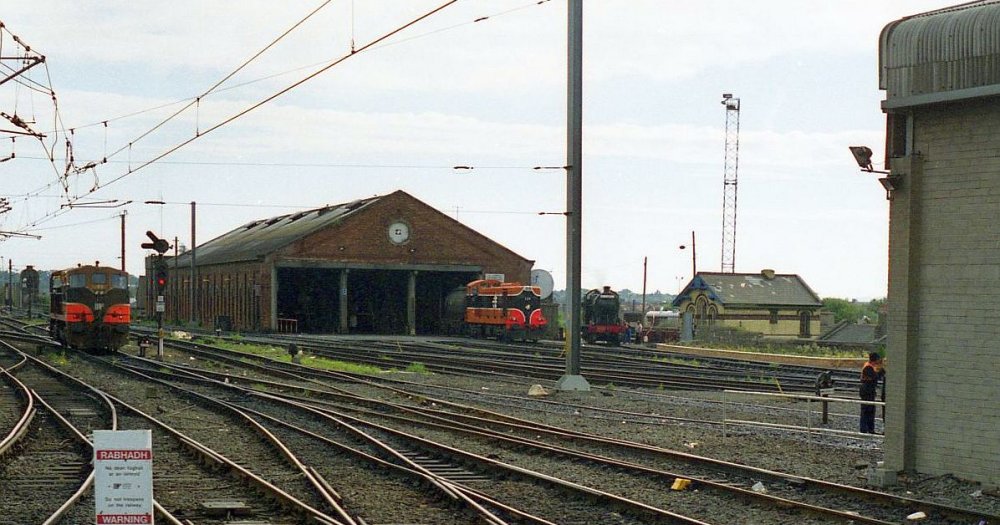
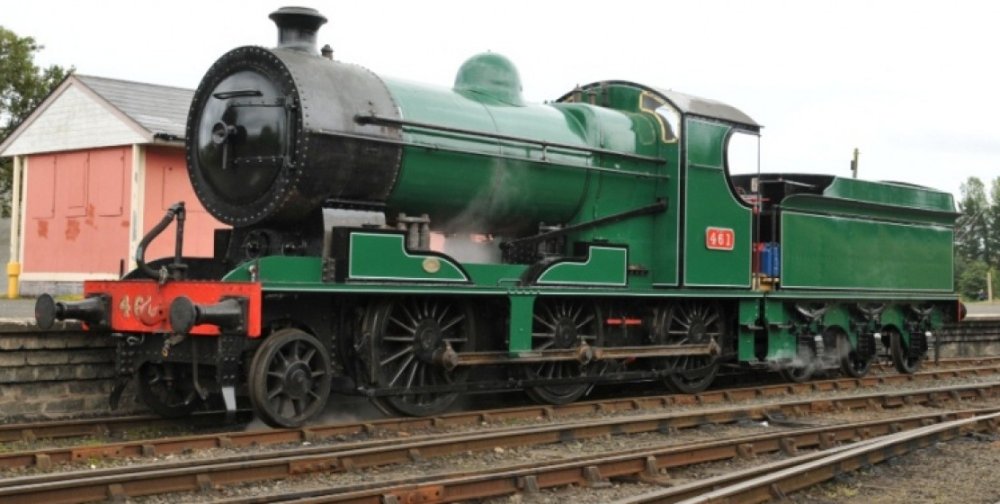
Photo Steve Rabone: 049 Connolly station's 3 road locomotive depot with 2-6-0 No 461 ex Dublin and South Eastern Railway
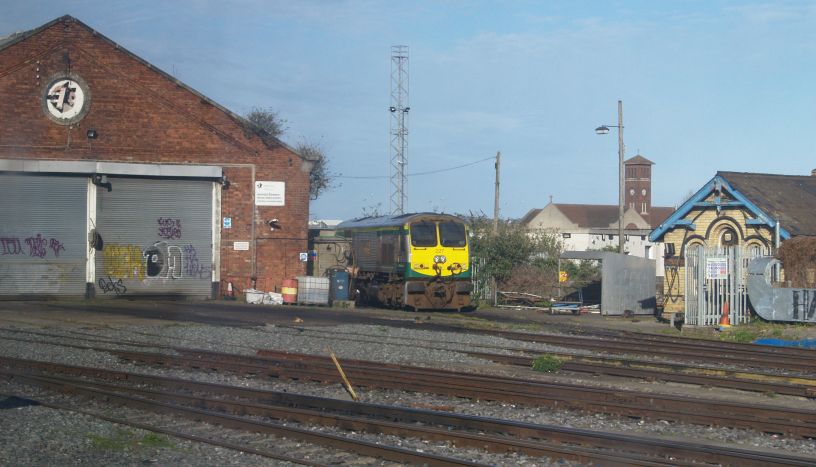
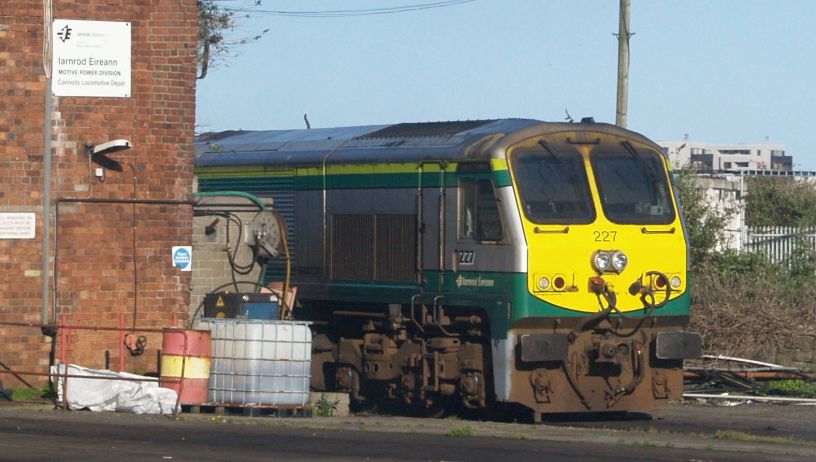
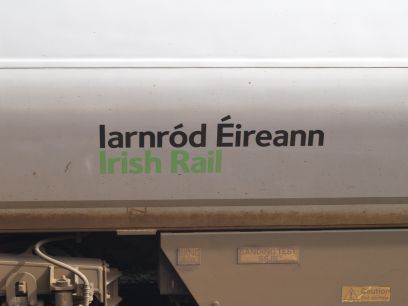
Diesel locomotive 227 in Connolly Motive Power Depot MPD. 227 is a Co-Co Class 201 locomotive (Type C), named 'RIVER LAUNE. IE 201 Class diesel-electric locomotives: The Iarnród Éireann (IE) 201 Class locomotives are the newest and most powerful diesel locomotives operating in Ireland, and were built between 1994 and 1995 by General Motors, engine of 3200 hp, weigh ~109 tonnes with a maximum speed of 164 km/h (102 mph).
Class 200 diesel locomotive 220 and driving van trailer 4002 (Cork-Dublin train at Limerick Junction)
4002
Steve: 019 at Connolly with 8137 seen at the Pearse end of station
Steve: 052 Connolly with a Howth to Bray DART
Archive Photo Steve Rabone: 057 Connolly with No.123 on a Push-Pull train of modern Mark 3 coaches (the same as our HST coaches) on a Pearse to Dundalk train.
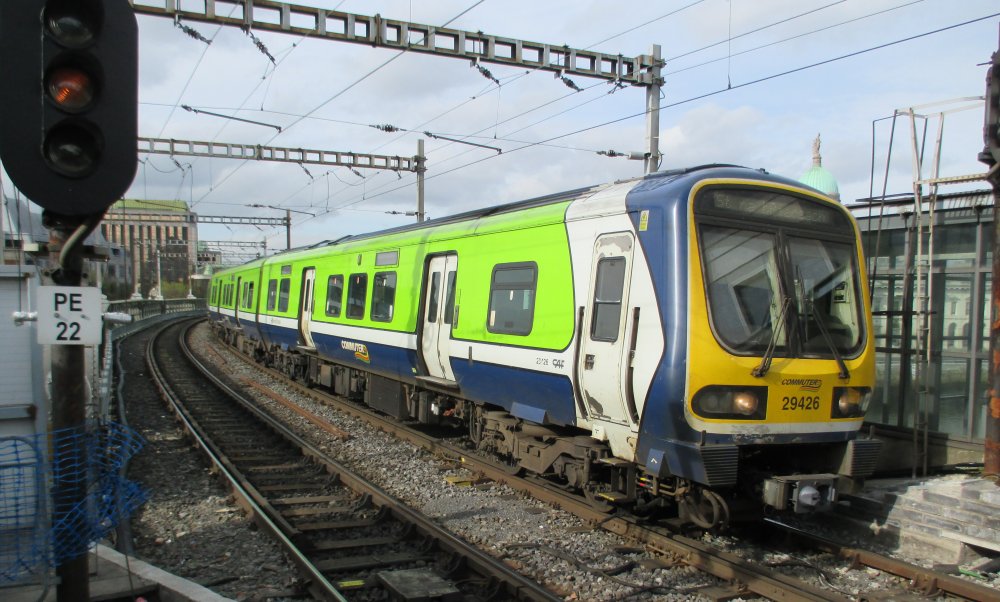
Class 29000 unit 29108 entering Connolly station. Class 29000 DMUs have been built by CAF (Construcciones y Auxiliar de Ferrocarriles) from 2002 onwards.
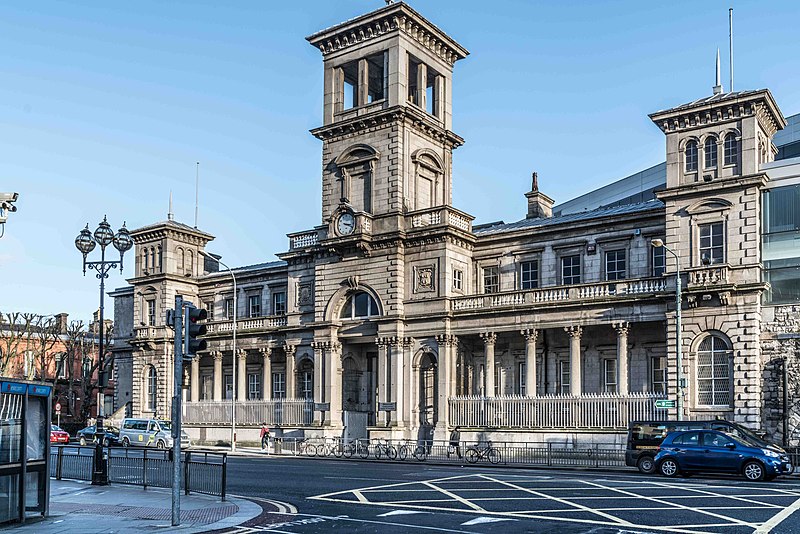
Connolly The Italianate facade of Connolly Station 1844
Dublin-Belfast railway trip: The early morning train from Dublin Connolly station to Belfast Central station
Modern Irish Rail coaching stock and an old turntable and water tank at Connolly station from the days of steam.
In 2004 Luas light railway system standard gauge 750 V overhead d.c. supply, two main lines. 2001-2011 Green Line and Red tram Lines Luas unit 3005 at Connolly station - The Luas or light rail tram system departing from the avant-garde cover in Connelly Station. An excellent way to cross the city and reach the outskirts, but only a few lines available.
Luas unit 3019 in the colourful SKY livery, entering Connolly Street station
Luas train crossing the River Liffey near Heuston Station to connect with Connolly station.
The O'Connell Street Bridge
The huge 1882 monument and statue to Daniel O'Connell
'The Liberator', after whom this street is named. After leading a 5 year
campaign of mass rallies and protests the Catholic Emancipation Act is
passed in 1828-1829 giving a limited number of Catholics the right to
vote and he was the first Catholic to be elected as the Mayor of Dublin
in 1831 but was later jailed for calling for the repeal of The Act of
Union.
The very striking outline of the steel Spire on O'Connell Street, viewed at dusk from the
DART train. Section 7. Heading south from Dublin on the DART train
The river Liffey from the DART train from Bray on our evening return.
South of the River Liffey 14. Tara Street Tara Street station opened in1891 and reached across the Loopline viaduct
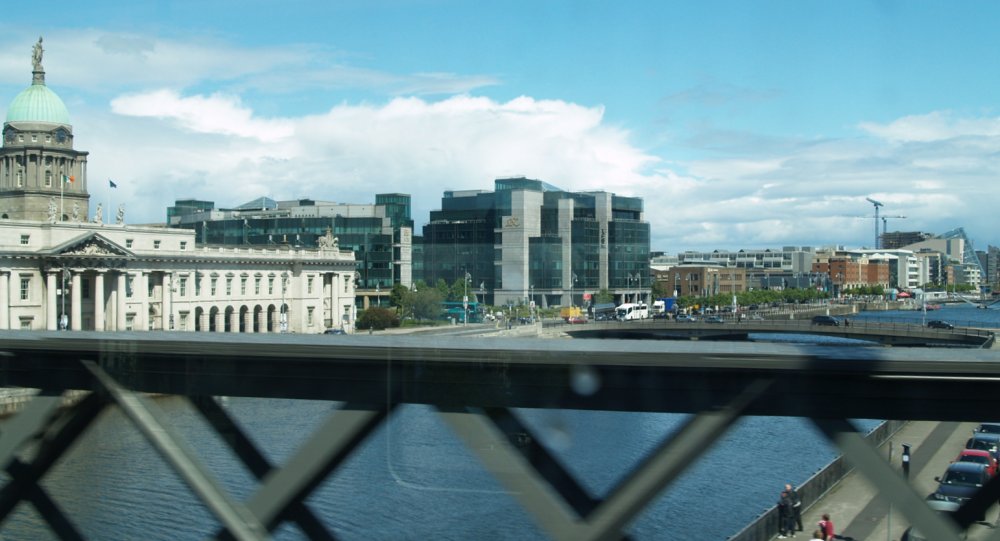
A DART train crosses the River Liffey to enter Tara Street Station heading south for Bray and Greystones.
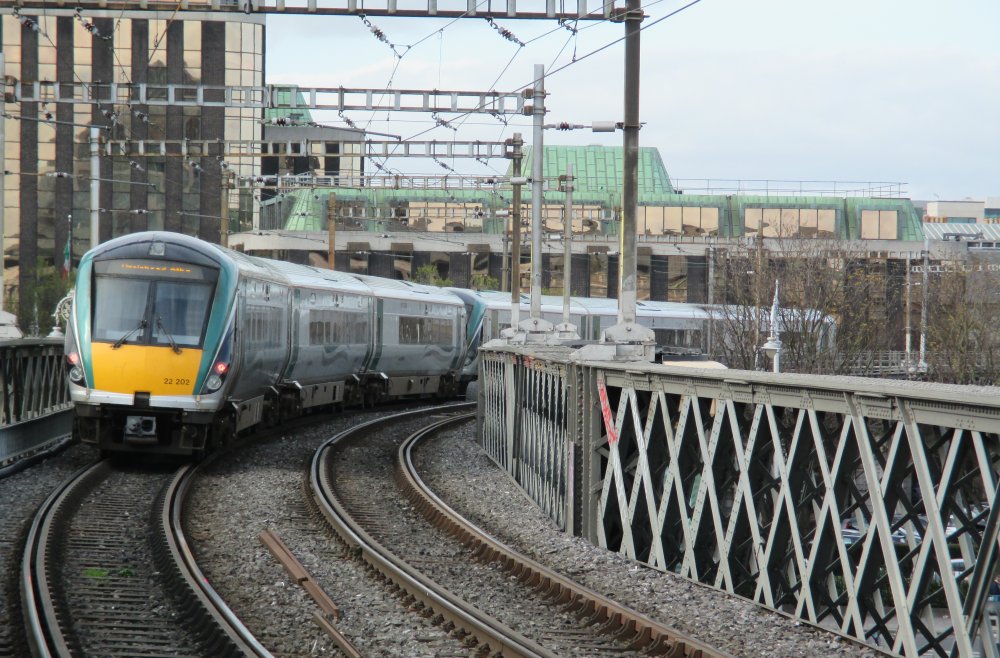
Commuter train from Drogheda entering Tara Street Station, The Custom House beyond. 18th century neoclassical style.
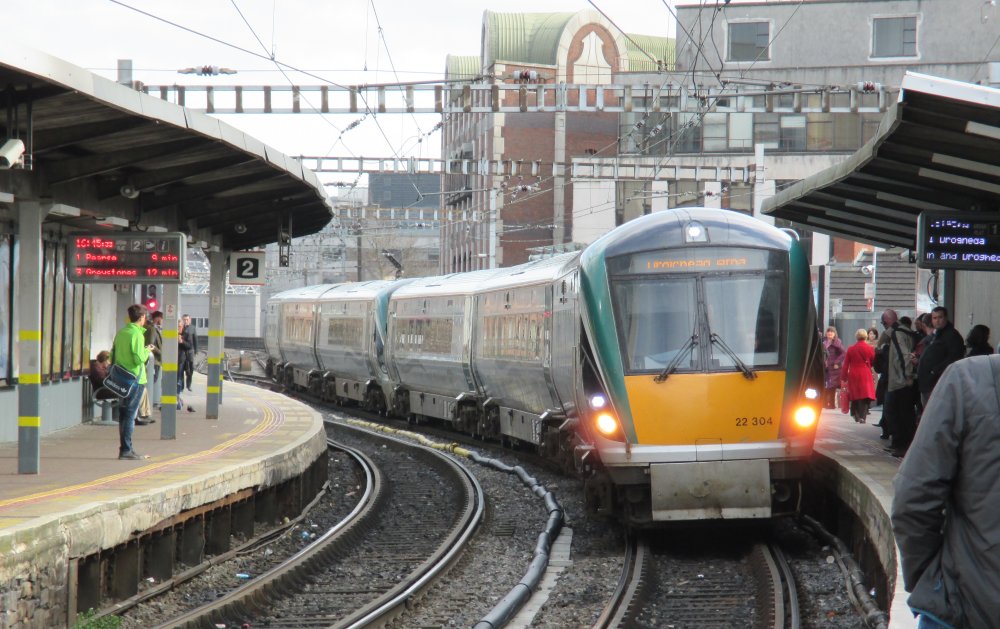
2 x 3-carriage units 22304 (22 304) and 22302 (22 302) at Tara Street station with a train for Drogheda
Commuter train 29115 and 29415 at Tara Street station with a train for Rosslare Europort
Steve: 060 Between Connolly and Pearse
15. Pearse - Patrick Pearse. one of the leaders of the 1916 Easter Rising, executed May 1916
Steve: 027 Pearse station with a Pearse to Drogheda train (Class 071 diesel locomotive 086, built GM 1978-1980, max speed 90 mph)
Archive photo Class 071 diesel locomotive 075 with a ballast train at Limerick Junction, these diesels worked the express passenger trains out of Dublin.
Flats built in the shell of an old gasometer (The Gasometer Apartments)! Pearse station (Dublin Pearse) opened in 1834, re-gauged in 1857 from 'standard gauge' !!! 1891 rebuilt as through station 16. Grand Canal Dock Grand Canal Dock station opened in 2001. The Grand canal is the southernmost of two major canals surviving Dublin to connect with the east and River Shannon
Passing over the streets of south Dublin (train photo).
17. Lansdowne Road
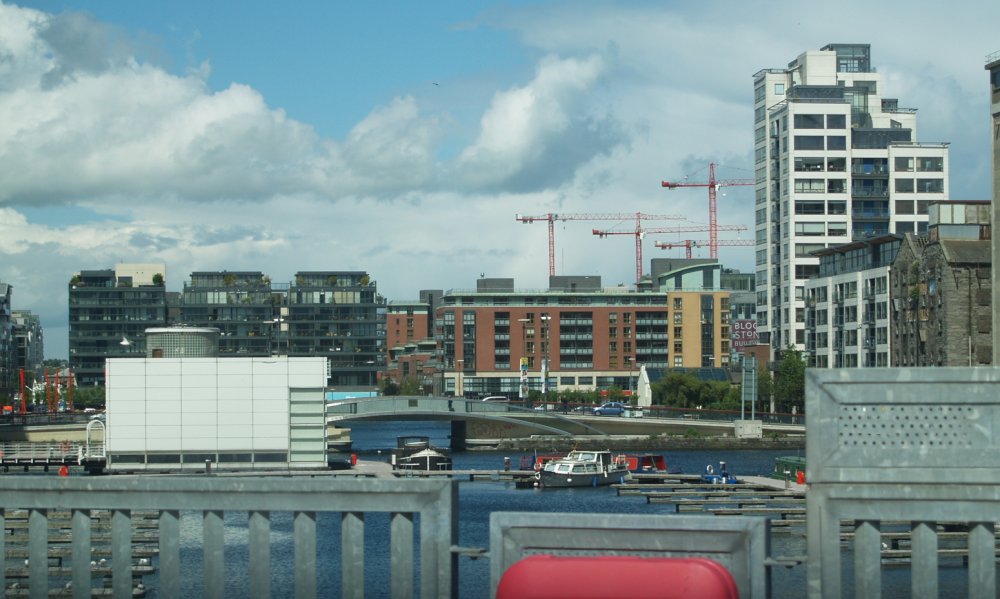
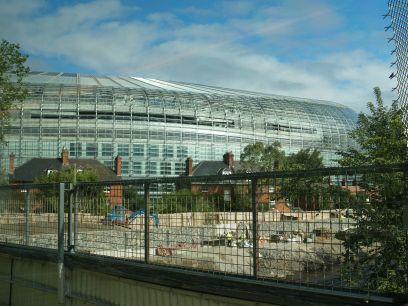
Lansdowne Road opened in 1870 and serves the Aviva stadium of 2009 Section 8. Continuing south on the DART train as the coastal scenery comes into view 18. Sandymount station opened in 1835, DART connected in 1984 19. Sydney Parade
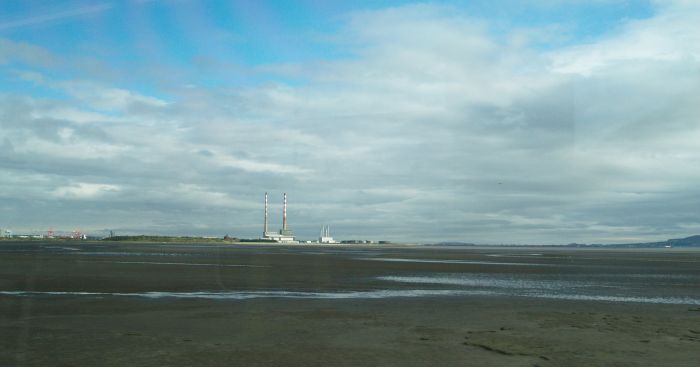
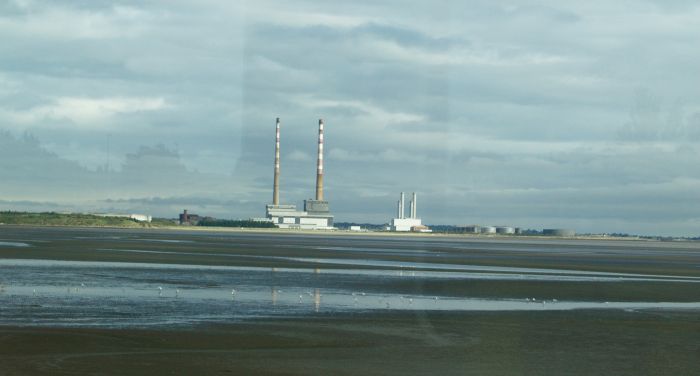
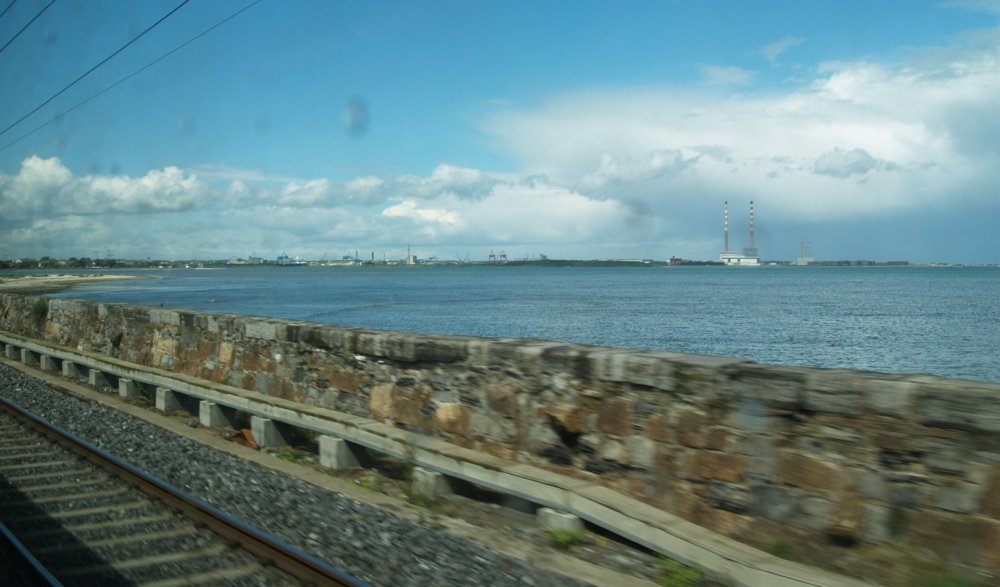
Looking across Dublin Bay from the DART to the power station on Dublin's South Wall from just after Sidney Parade Station
Sydney Parade station opened in 1835, DART connected
1984. 20. Booterstown Opened in 1835, DART connected to 1984
The view across Dublin Bay from just before Booterstown Station
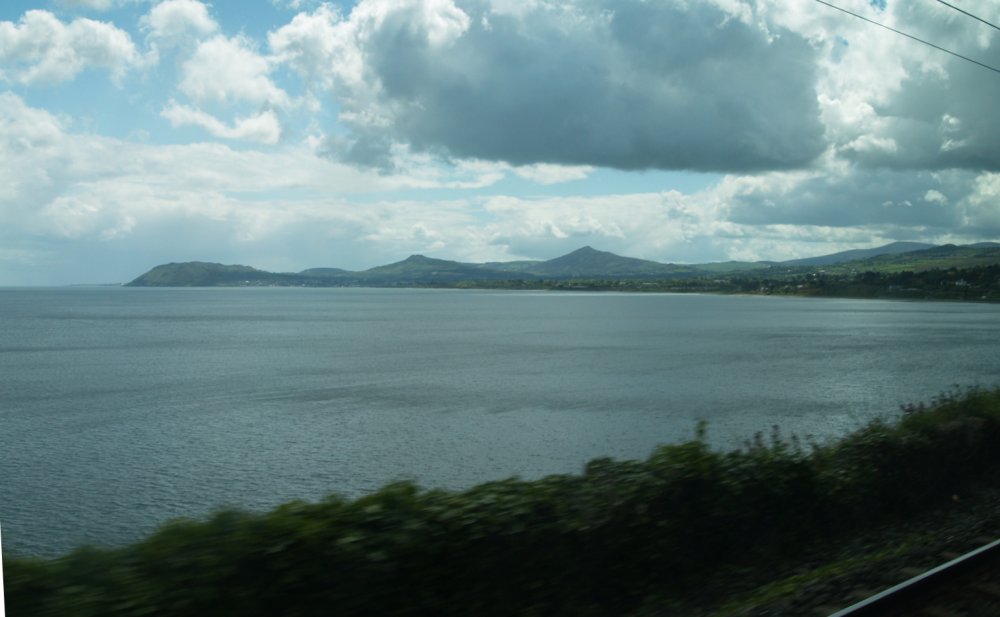
DART view of the hills and mountains of Wicklow from the DART near Bray as the scenery just gets better and better as you head south down the coast. 21. Blackrock Opened in 1834, DART connected 1984
Tide in! DART view back towards Dublin Port and the chimney stacks of the power station and a ferry in the background from near Blackrock. 22. Seapoint opened in 1862
23. Salthill and Monkstown opened in 1837
both DART connected in 1984
South of Dún Laoghaire 24. Dún Laoghaire Dún Laoghaire station opened in 1837 as Kingstown Harbour, DART connected in 1984
DART view of the yachts in Dún Laoghaire Harbour. Dun Laoghaire was the 2nd main ferry port for Dublin City. After ~200years passenger services ceased in 201 25. Sandycove and Glasthule Sandycove and Glasthule opened in 1855 as Sandycove and Kingstown station, DART 1984. 26. Glenageary opened in 1867 27. Dalkey station opened in 1854
Looking south down the coast to Bray Head (train photo).
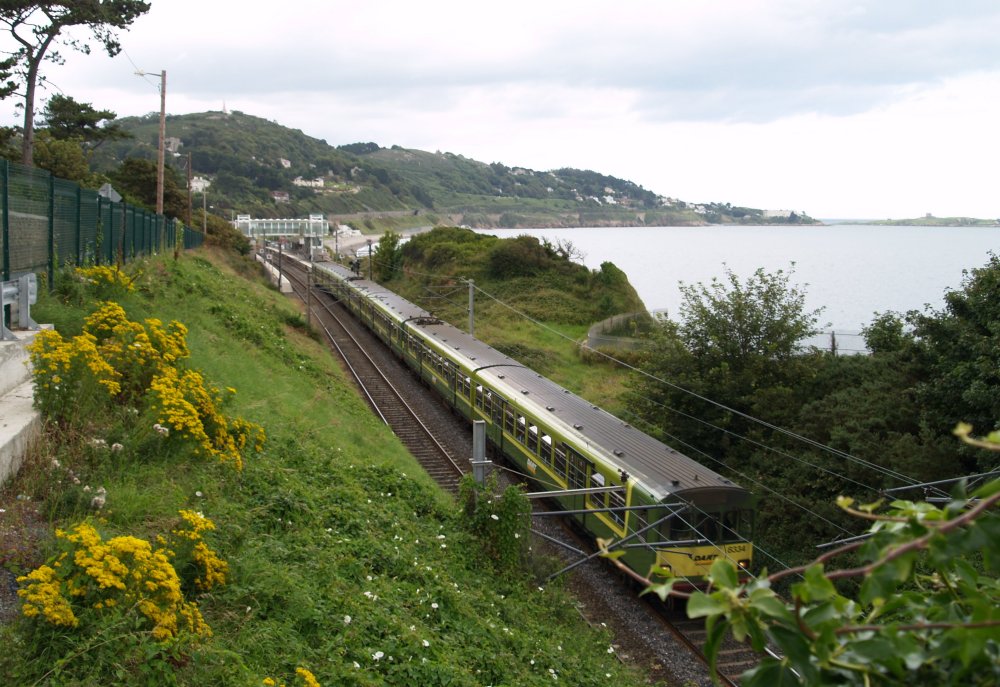
Heading south towards Killiney. 28. Killiney Original station built in 1858, current station built in 1882, DART connected 1983
Steve: 016 at Killiney - Rosslare to Dublin passenger train (Class diesel) 071
Archive photo from
Steve Rabone: 017 at Killiney - Dublin to Rosslare passenger train, note
the coastal erosion on the right.
Back to Killiney Station to get the train
back to Sutton.
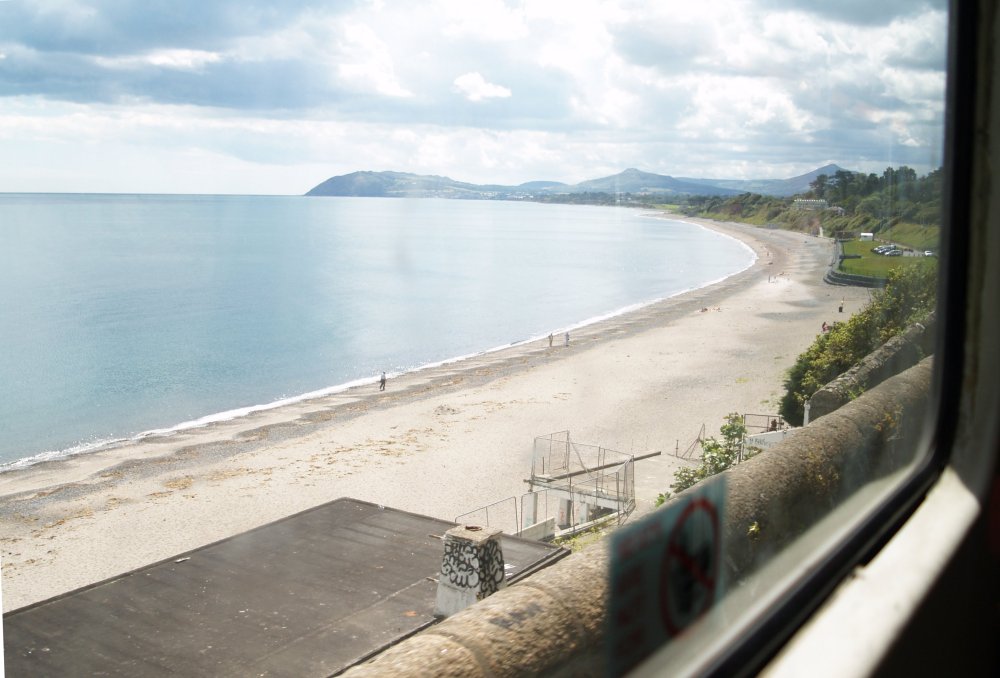
The north end of Killiney Bay (train photo), you can just make out a Martello tower near the sea.
Looking south across the lovely beach and Bay of Killiney (train photos).
Off the DART train for a view of Killiney Bay and the lovely beach from the station footbridge.
A climb up to the splendid church of St
Alphonsus Columba built of local granite. At this point I met 'Maureen',
a wonderful local lady, full of knowledge and enthusiasm, who gave me a
quick run down on the history of Killiney. The church is built of local
granite and shows no signs of weathering!
The restored Martello Tower on the old coach
road that passed up through old Killiney Village.
The Martello Towers were built in the 1790's-1800s
by the British to help thwart a Napoleonic invasion from France.
This
Martello Tower was the site of the main battery of cannons that could
fire across the bay to protect Dublin port.
The prehistoric megalithic portal tomb of Ballybrack
Dolmen (~2500 BCE). It is the 'genuine article', based on archaeological evidence, despite
being located on the edge of a housing estate with ensuing graffiti.
Built of very hard wearing local granite, it shows little sign of
weathering, even after thousands of years from the Neolithic period of
Irish history!
Cill Inìon Léinin 6th century monastic site.
The name Killiney is derived from this early Christian community.
The ruins of the 6th century Cill Inion
Leinin early Christian community above Killiney Bay. 29. Shankill - current station 1977, DART 1983 30. Bray Bray Daly station of 1854, DART 1984
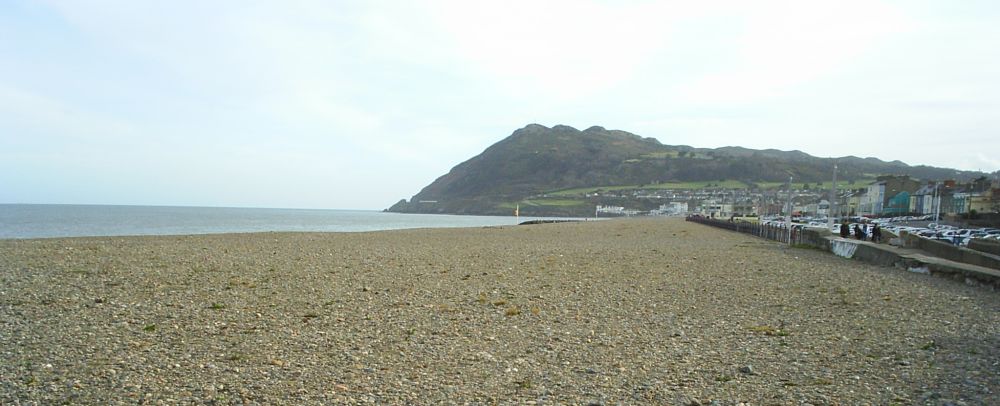
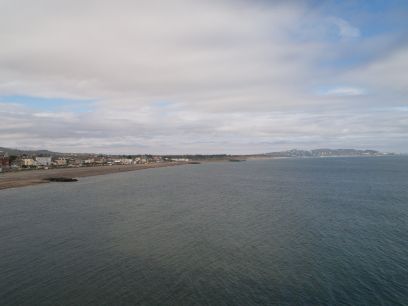
Bray's shingle beach stretching out towards Bray Head.
Steve: 029 Bray station with a DART on a Bray to Howth service
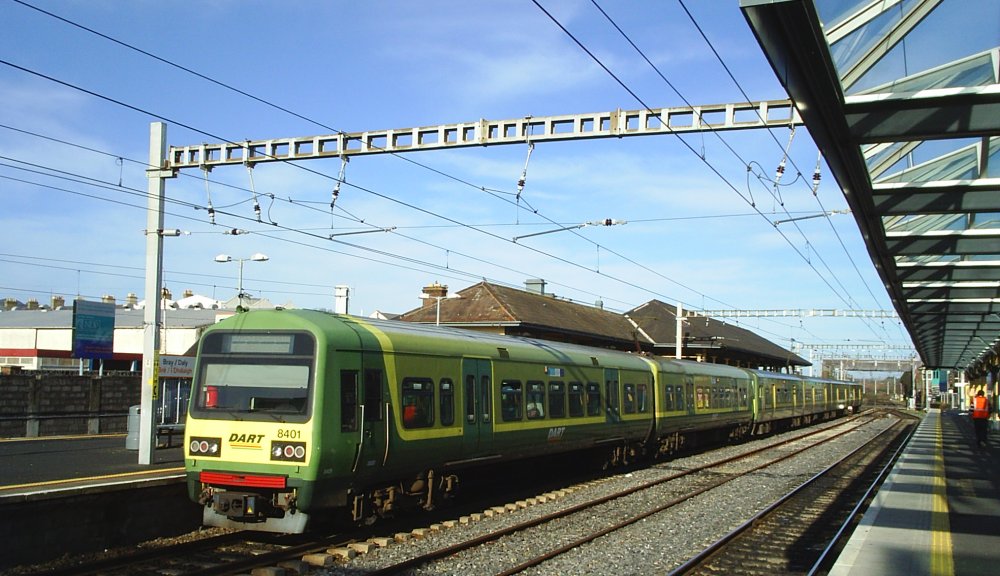
The DART train for Dublin leaving Bray Station.
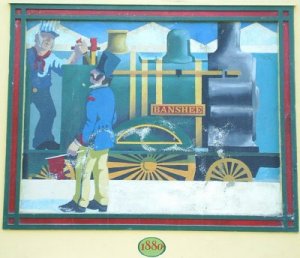
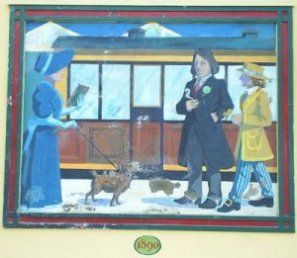
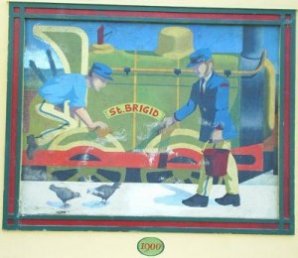
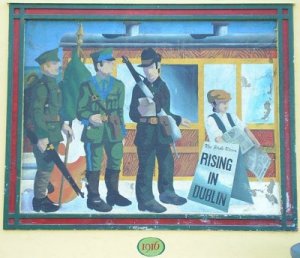
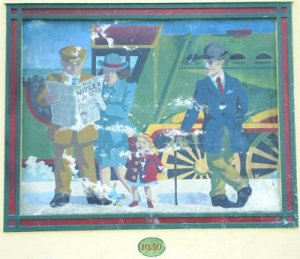
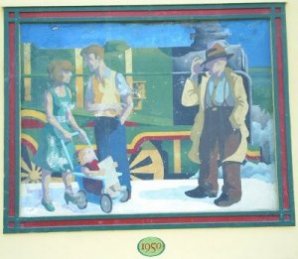
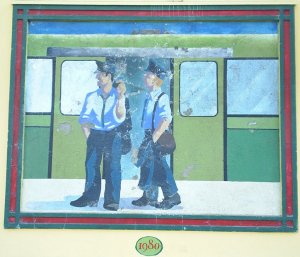
The DART train from Dublin entering Bray Station. The run from Howth in the north of County Dublin, to Bray and Greystones south of Dublin in County Wicklow, is really enjoyable scenic run While waiting for the train from Bray to Greystones, I quickly snapped the series of chronological 'historical' murals on the south direction platform, most entertaining but some are sadly in need of restoration work, it would be a pity if they were not maintained, other stations should copy the idea? This distinctive element of Bray Daly Station is a series of paintings on platform 2. starting with a painting of the opening ceremony in 1852, the series runs along the length of the platform, documenting both Irish history and Irish railway history up to the present day. Various carriages, locomotives, and characters can be seen in the pictures, including Oscar Wilde, British soldiers in 1916, James Joyce in the 1940s, a hippy couple in the 1960s, and the introduction of the DART service in 1984! In 2008 the original artist began a mosaic replacement programme due to the deteriorating condition of the original murals.
1880 and 1890
1900 and 1916
1920 and 1930
1940 and 1950
1960 and 1970
1980
1984 and ? The spectacular Bray Air Display Show 2018 08b Walk from Bray to Greystones, usually vice versa
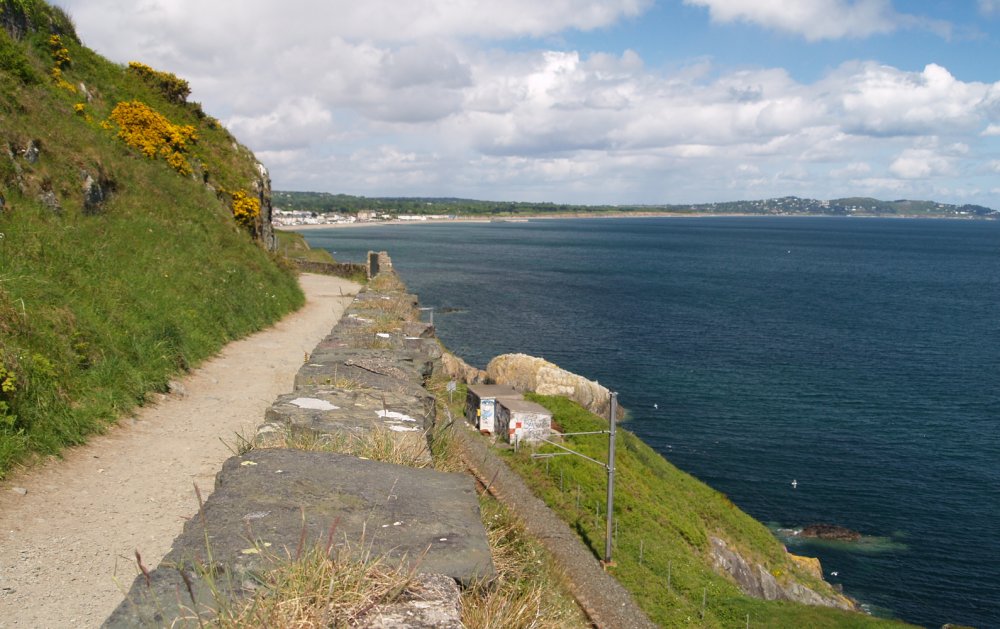
Part of the wonderful coastal walk from Greystones back to Bray See section
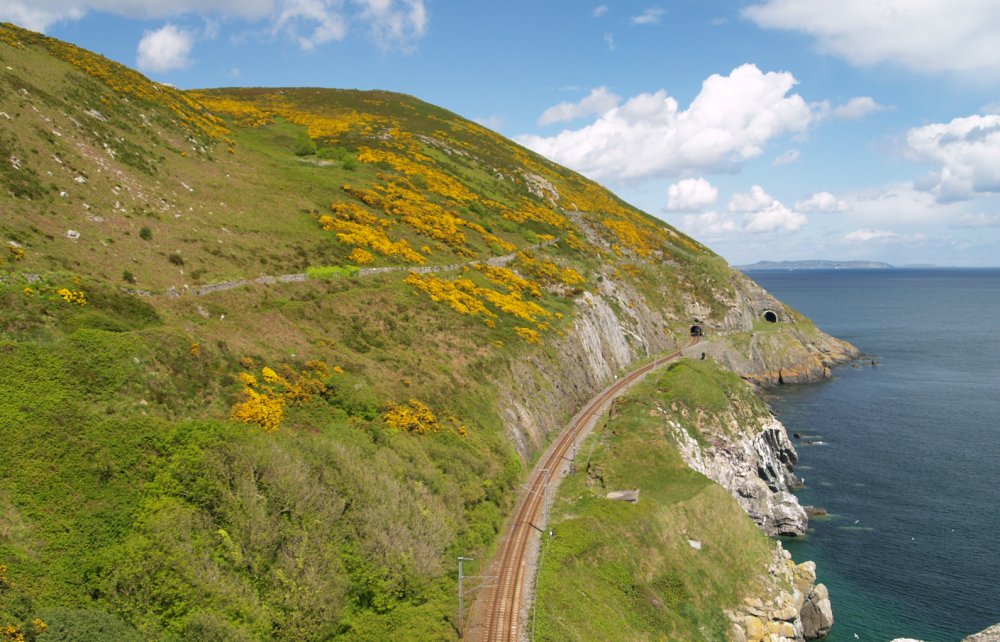
Views of the line between Bray and Greystones
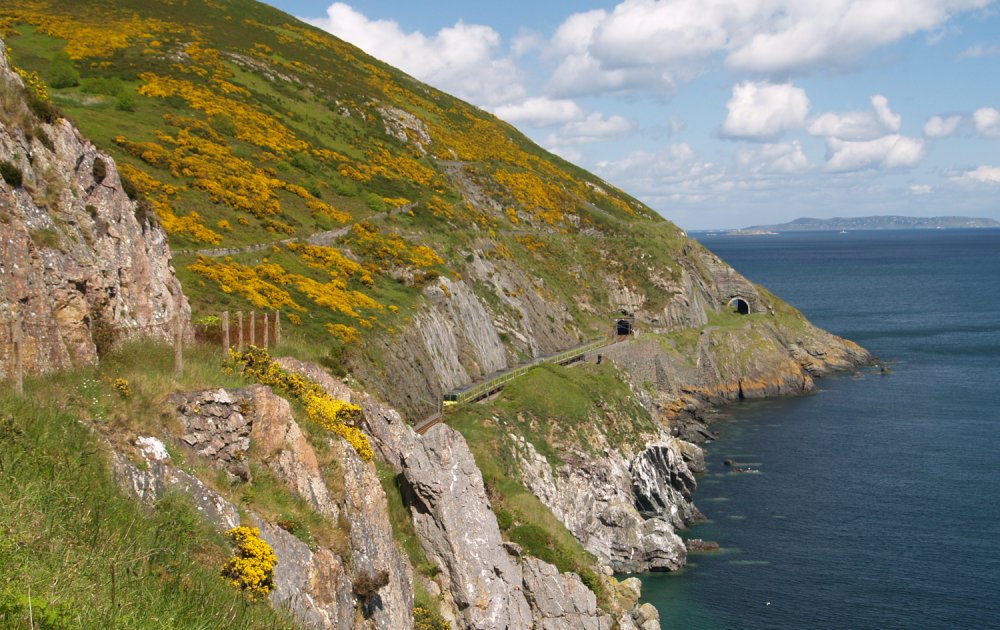
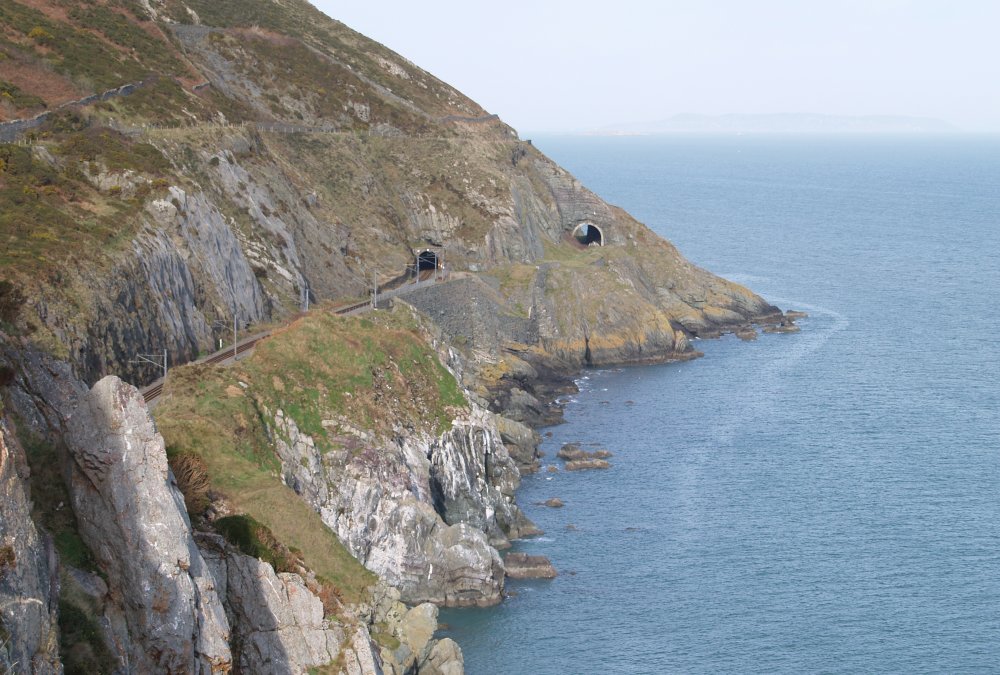
The railway from Bray to Greystones was planned and executed between 1847 and 1856 providing some serious engineering difficulties! Isambard Kingdom Brunel designed an initial single track line from Bray Head to Wicklow. However, the most celebrated railway engineer associated with this line and most of Irelands railways William Dargan who helped organise the financing and designing of over 600 miles of Irish rail routes. Many of the tunnels are replacements of 19th century timber bridges.
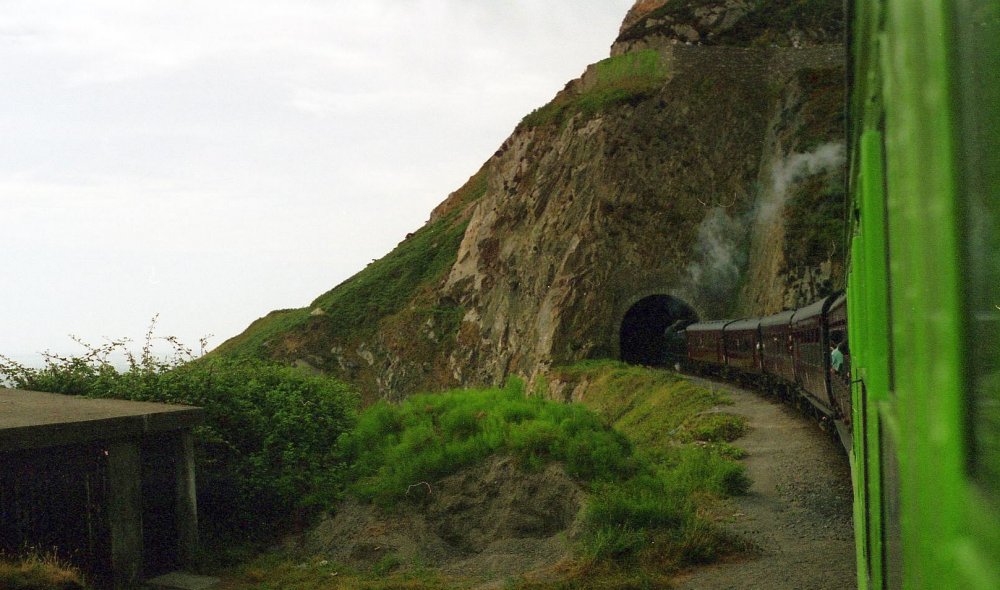
Archive photo from Steve Rabone: 061 Special train Dublin to Rosslare on the cliffs between Bray and Greystones
31. Greystones - the most southern coastal station on the DART line Greystones station opened in 1855, DART finally connected in 1995 or 2000? Greystones is popular coastal seaside resort in County Wicklow and seen a huge increase in population from the 1970s onward.
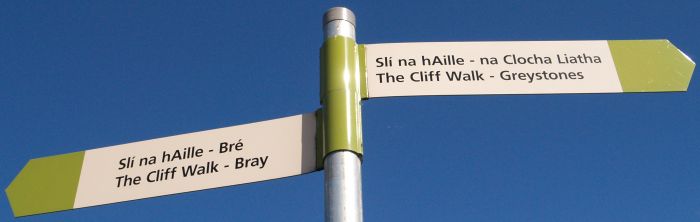
A great scenic coastal path (medieval in origin) links it to Bray - great cliff walk and
splendid views of the DART
line! Archive photo from Steve Rabone: 063 Greystones looking towards Wexford and Rosslare with No. 461 about to take on water in the siding. The line wasn’t electrified to Greystones until 1995.
Steam locomotive 461, Class K2 mogul 2-6-0, built by Beyer Peacock, Manchester, 1922, for the Dublin and South Eastern Railway, retired in 1965, functioned as a mixed traffic loco. Part (2) Exploring Greystones Section 9. Exploring Greystones - currently end of the DART line
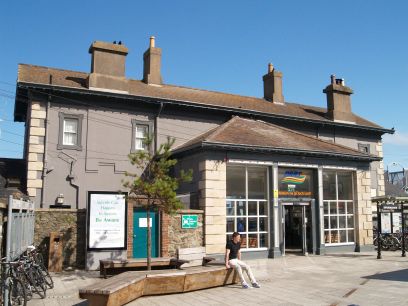
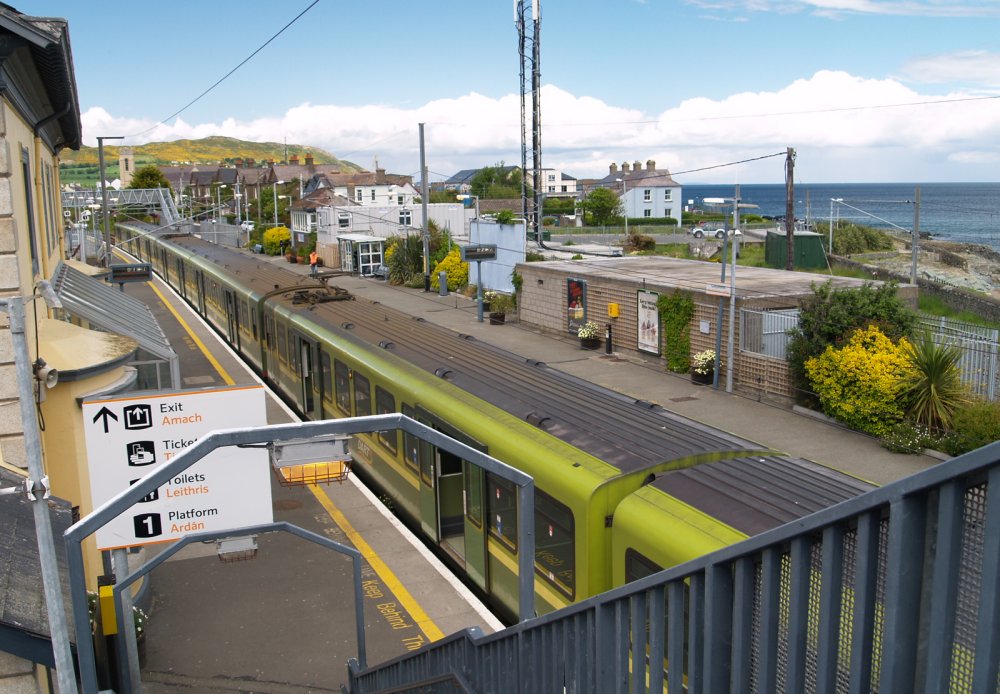
Greystones Station where we started the cliff walk to Bray.
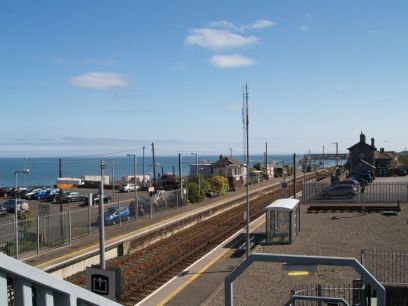
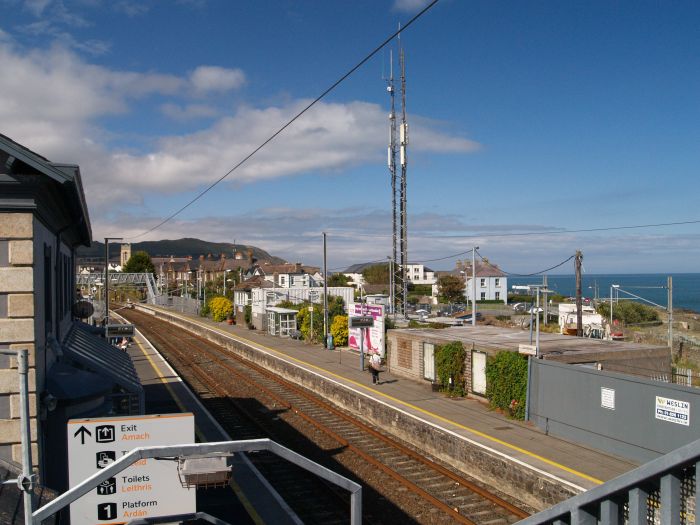
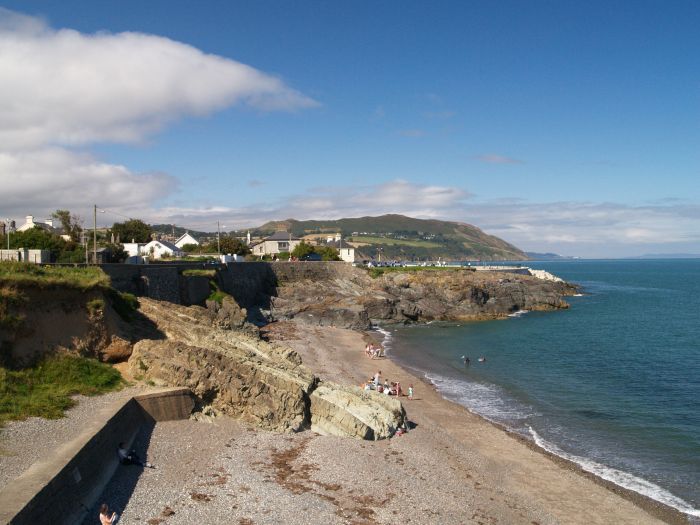
The coastal view from Greystones station.
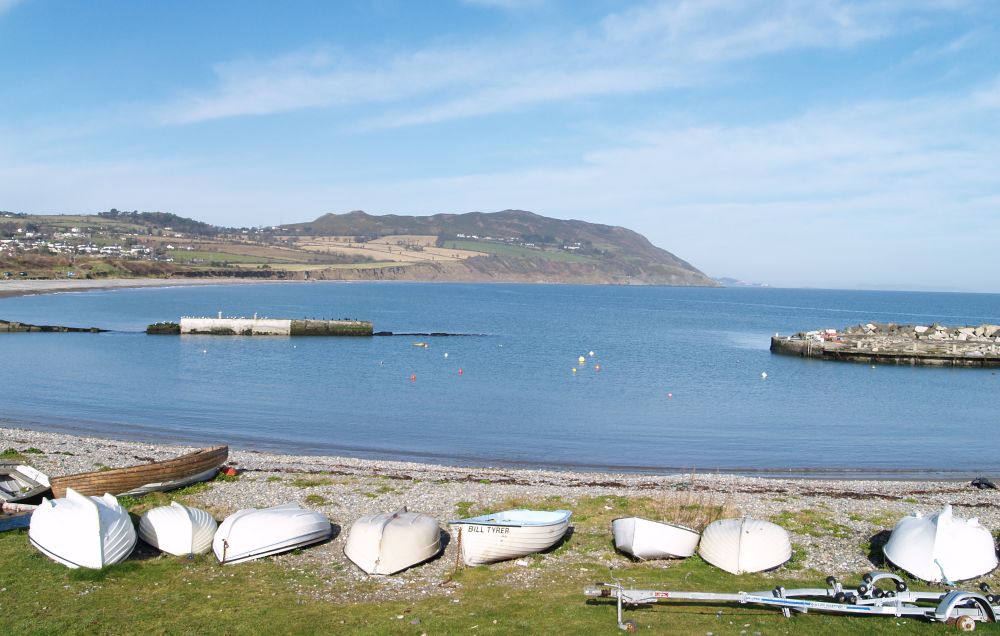
What Greystones Harbour looked like with Bray Head in the background - this lovely little harbour has now been completely rebuilt - unfortunately!?
rebuilt now!
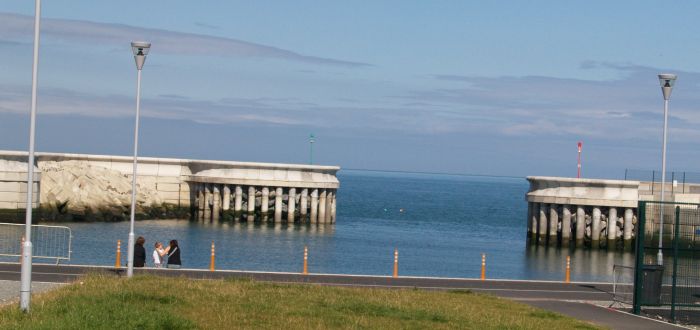
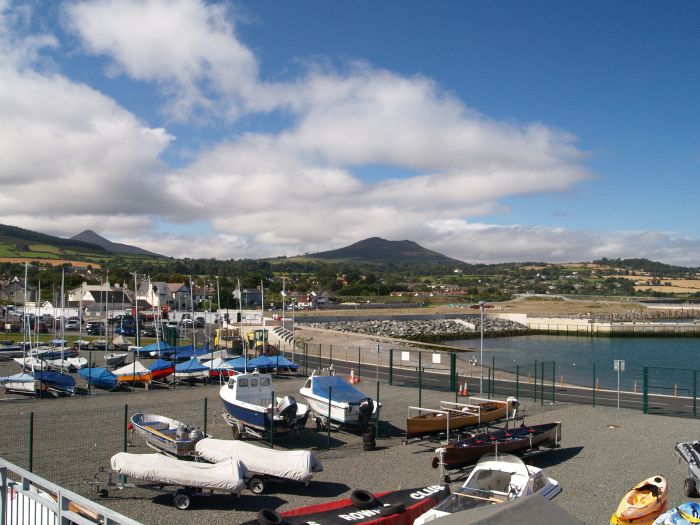
The newly built walls of Greystones Harbour
The new concrete pillar entrance to Greystones Harbour
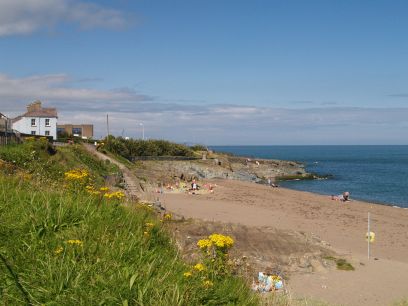
The small beach at Greystones
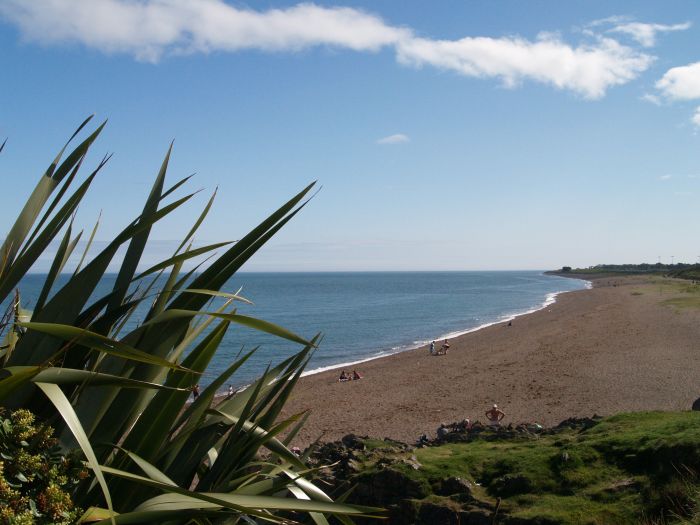
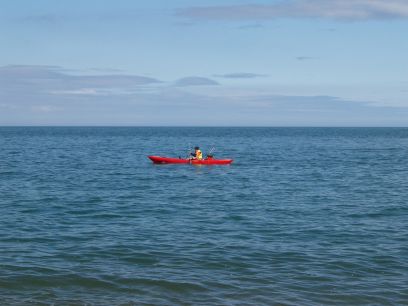
Another longer beach at Greystones, canoeist and sunbathers!
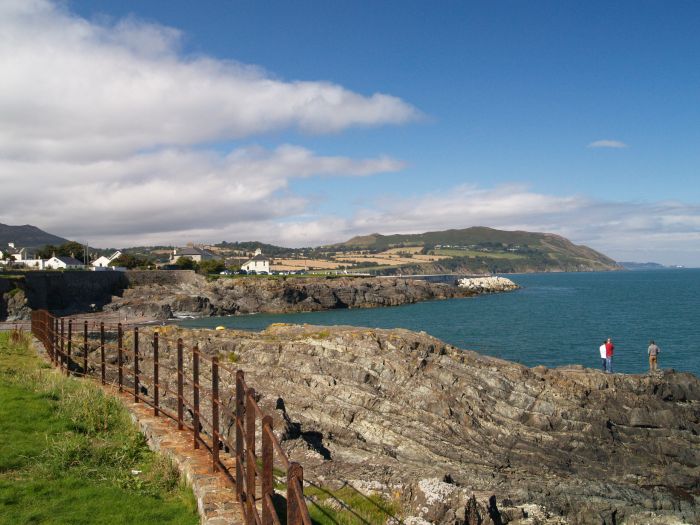
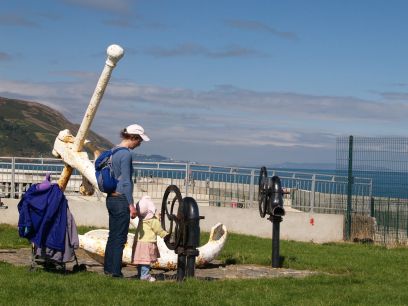
The old anchor and fishing off the rocks at Greystones
Section 10. Part (3) The coastal walk from Greystones back to Bray
There has been a coastal walkway between Bray and Greystones since medieval times. The cliff walk as it exists today dates from the 1840s. Both towns developed when the railway came between 1854 to 1856 enabling people to travel to them easily from Dublin's stations. The Bray - Greystones cliff walk is one of the best short walks in Ireland.
The sea and cliffs off Bray Head viewed from Greystones.
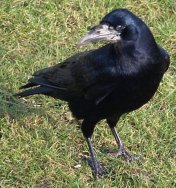
The beach rooks of Greystones.
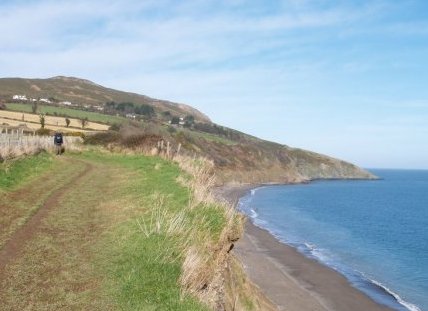
The cliff path from Greystones heading for Bray Head.
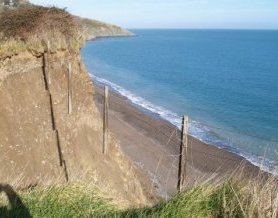
Erosion and no time to move the fence and path back!
The railway from Bray to Greystones was planned and executed between 1847 and 1856 providing some serious engineering difficulties! Isambard Kingdom Brunel designed an initial single track line from Bray Head to Wicklow. However, the most celebrated railway engineer associated with this line and most of Irelands railways William Dargan who helped organise the financing and designing of over 600 miles of Irish rail routes. Many of the tunnels are replacements of 19th century timber bridges.
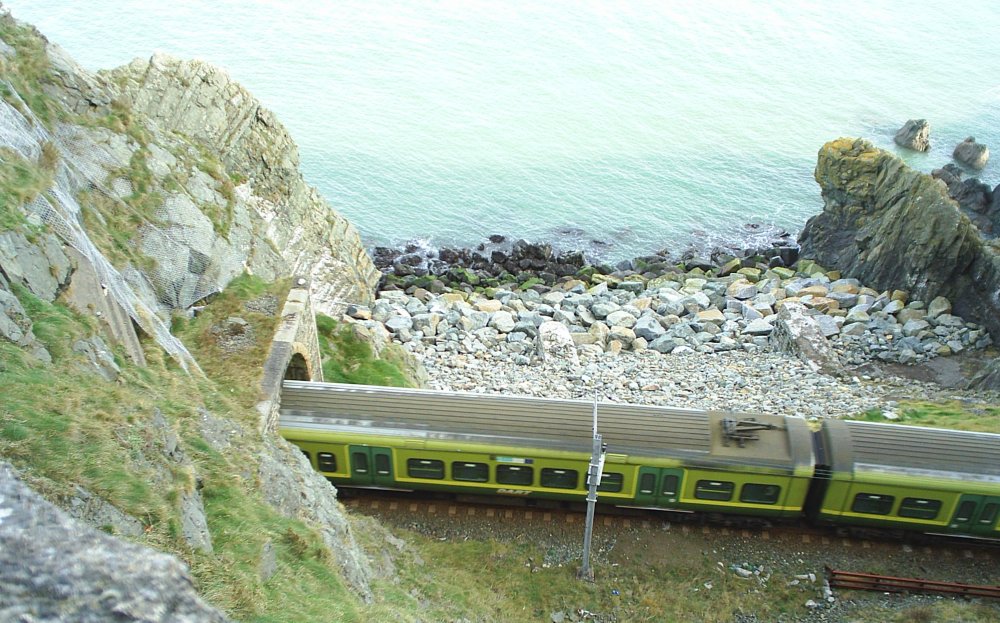
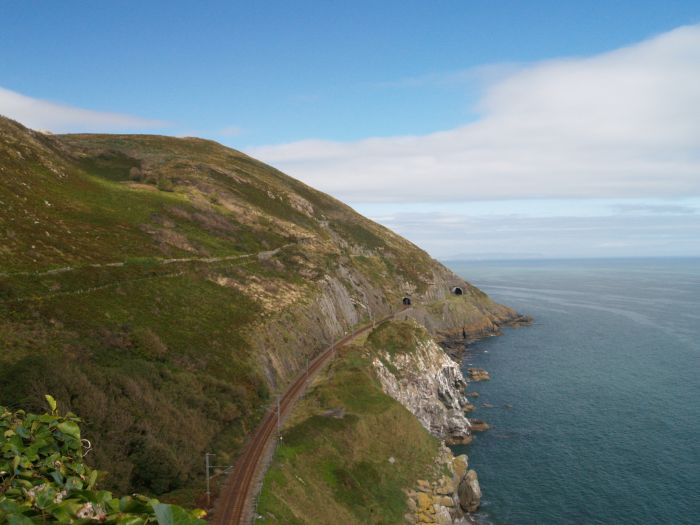
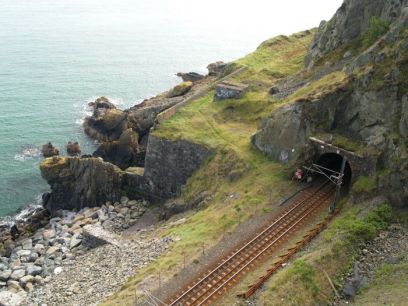
Looking down on the Dublin-Wexford line from the Bray - Greystones cliff walk.
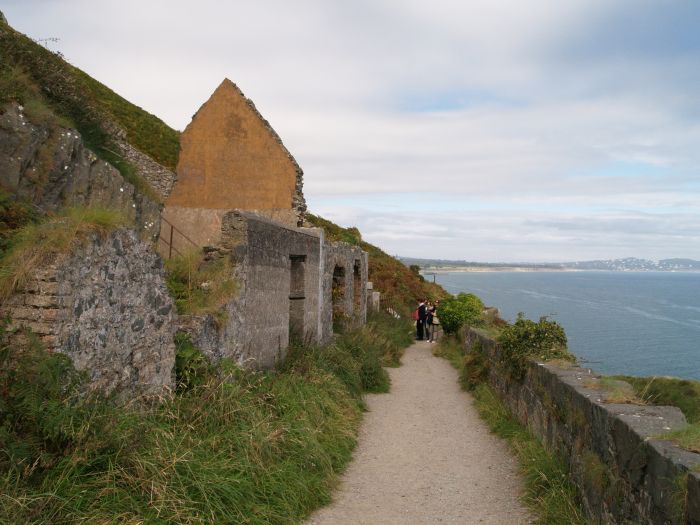
Lord Meath's Lodge, which was once a toll booth for the coastal path.
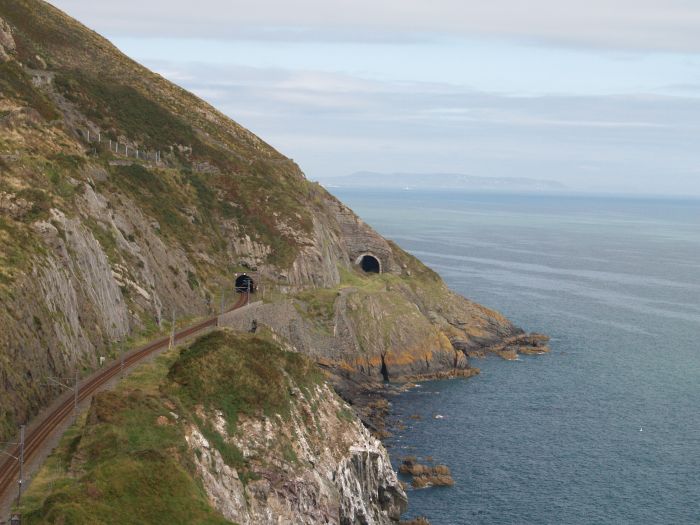
The railway on the cliffs at Bray Head, and an abandoned tunnel on the right!
Look out for the shag and cormorant seabirds on the rocks.
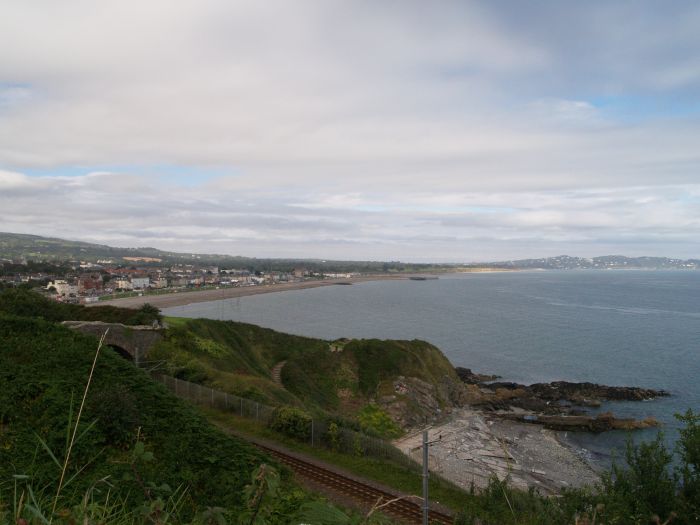
Looking north towards Bray on the cliff walk from Greystones.
railway cutting near Bray Section 11. Exploring Bray
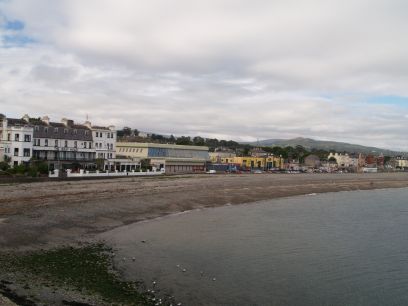
The pebble and sandy beach at Bray.
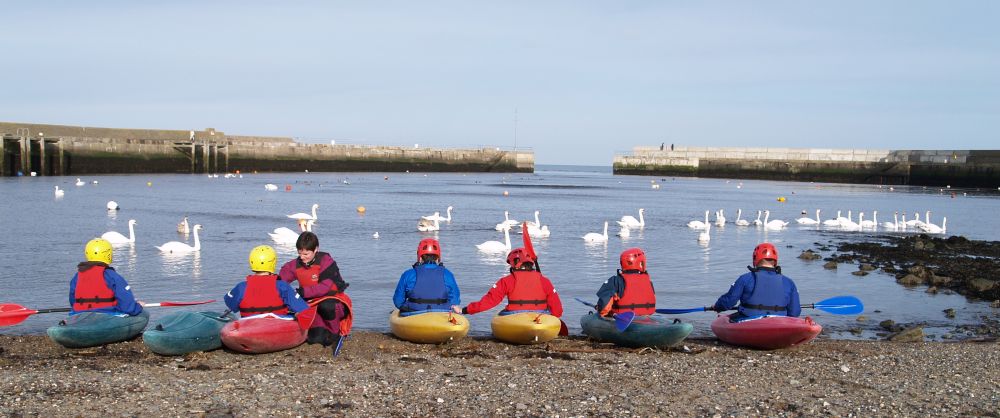
Swans, geese and canoeists in Bray Harbour.
The canoeists heading out to join the swans in Bray Harbour.
Bray's shingle beach stretching out towards Bray Head.
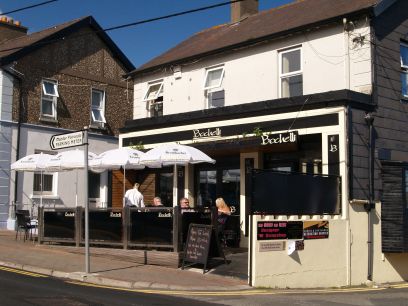
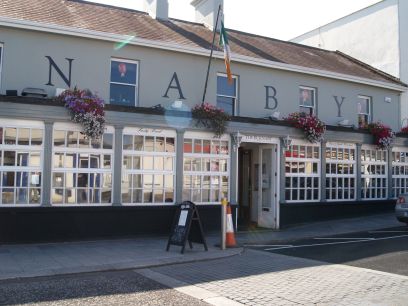
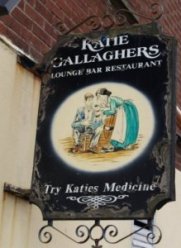
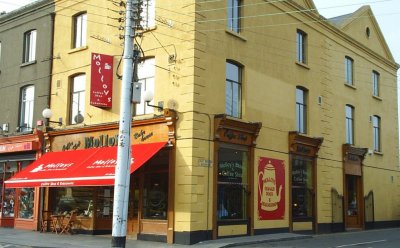
Katies alcoholic medicine at Katie Gallaghers Bar restaurant in Bray! But, on this occasion we refreshed at Malloys Coffee Shop and Bakehouse in Bray Inside Malloys Coffee Shop and Bakehouse.
The DART train for Dublin leaving Bray Station. While waiting for the train from Bray to Greystones, I quickly snapped the series of chronological 'historical' murals on the south direction platform, most entertaining but some are sadly in need of restoration work, it would be a pity if they were not maintained, other stations should copy the idea.
Dublin Scenes and Notes Index * The spectacular Bray Air Display Show 2018 See also the NEW Picture sequence based on the Bray to Greystones coastal walk Extra notes on the DART train ride from Malahide or Howth south to Greystones The DART journey from Malahide or Howth →
Dublin City Centre → Greystones is one of the most
scenic coastal rail journeys in Europe, combining sea views,
maritime history, Georgian harbours, Victorian resorts, and dramatic
cliffs. 1. Overview of the DART LineThe DART runs 53 km along Dublin Bay,
from Howth and Malahide in the north to
Greystones in the south, and is widely recognised as one of
Europe’s most scenic commuter rail routes. 2. Starting in the North: Malahide or HowthA. Malahide → Howth JunctionWhat you see from the train
Places of interest
Historical noteMalahide Castle dates back to the 12th century; the estuary has been a key fishing and trading zone for centuries. B. Howth → Howth Junction(If starting from Howth instead of Malahide) What you see
Places of interest
Historical noteHowth is a medieval fishing port; the peninsula has been a defensive and navigational landmark for over a thousand years. 3. Howth Junction → Dublin City CentreThis section is more suburban, but still historically rich. What you see
Key stations
Places of interest
4. Dublin City Centre → Dún LaoghaireThis is where the scenery becomes spectacular. What you see
Key stop: BlackrockA lively suburb with markets and cafés. Key stop: Dún LaoghaireA major 19th‑century harbour town with:
Historical noteDún Laoghaire was built as Kingstown in the 1820s as a major packet port linking Ireland and Britain. 5. Dún Laoghaire → Dalkey → KillineyOne of the most beautiful stretches of railway in Ireland. DalkeyA medieval village with a castle, literary history,
and steep granite hills. KillineyWhat you seeAs the train approaches Killiney from the north, you get some of the most stunning views on the entire line:
Historical noteKilliney Bay was compared to the Bay of Naples in the 19th century; wealthy Dubliners built villas here to enjoy the views. 6. Killiney → BrayThe line now runs directly above the sea. What you see
BrayA classic Victorian resort with:
7. Bray → Greystones (Final Section)This is the famous cliff‑hugging section, one of the most dramatic railway alignments in Ireland. What you see
GreystonesA charming seaside town with:
Historical noteThe cliff section was an engineering challenge in the 19th century, requiring tunnels and sea walls; it remains one of Ireland’s most photographed rail segments. 8. Suggested Full Journey ExperienceIf starting in the north:
Section 12. Some UK railway 'connections'!
Picture sequence based on the Bray to Greystones coastal walk previous page <-> next page * Dublin Scenes and Notes Index Dublin Irish Capital docspics Ireland images pictures photos © Phil Brown * Holidays in Ireland, Holidays in Dublin, Luxury Hotels, Dublin City Centre Accommodation, Cheap Flights to Dublin, Dublin art galleries, Dublin museums, top tourist attractions in Dublin, tourism information for Dublin, guided bus tours of Dublin, guided walks of Dublin, pubs, bars, cafes and restaurants in Dublin, classical music venues in Dublin, traditional music concerts in Dublin docspics images photos of Bray Wicklow Greystones in Ireland © Dr Phil Brown Tourist information on Bray Wicklow Greystones, top tourist attractions near Bray Wicklow Greystones Things to do near Bray Wicklow Greystones, What to see near Bray Wicklow Greystones, Walks near Bray Wicklow Greystones, weekend breaks near Bray Wicklow Greystones family holidays near Bray Wicklow Greystones, Top tourist attractions near Bray Wicklow Greystones, luxury hotels near Bray Wicklow Greystones, self-catering holiday cottages flats near Bray Wicklow Greystones, B&B near Bray Wicklow Greystones, friendly pubs near Bray Wicklow Greystones, cafes near Bray Wicklow Greystones, eating out in fine restaurants near Bray Wicklow Greystones, bargain holiday breaks near Bray Wicklow Greystones, wining & dining weekends near Bray Wicklow Greystones, touring coach tours including Bray Wicklow Greystones, pretty villages near Bray Wicklow Greystones, historic towns near Bray Wicklow Greystones, visiting museums near Bray Wicklow Greystones, local art galleries near Bray Wicklow Greystones, guided walks from Bray Wicklow Greystones, history of Bray Wicklow Greystones, architecture of Bray Wicklow Greystones trains to Bray Wicklow Greystones buses to Bray Wicklow Greystones coach tours to Bray Wicklow Greystones historic houses near Bray Wicklow Greystones historic churches near Bray Wicklow Greystones historic buildings near Bray Wicklow Greystones good places to eat near Bray Wicklow Greystones tourist attractions near Bray Wicklow Greystones tourist information for Bray Wicklow Greystones docspics images photos of Bray Wicklow Greystones in Ireland © Dr Phil Brown Tourist information on Bray Wicklow Greystones, top tourist attractions in Bray Wicklow Greystones Things to do in Bray Wicklow Greystones, What to see in Bray Wicklow Greystones, Walks in Bray Wicklow Greystones, weekend breaks in Bray Wicklow Greystones family holidays in Bray Wicklow Greystones, Top tourist attractions in Bray Wicklow Greystones, luxury hotels in Bray Wicklow Greystones, self-catering holiday flats cottages in Bray Wicklow Greystones, B&B in Bray Wicklow Greystones, friendly pubs in Bray Wicklow Greystones, cafes in Bray Wicklow Greystones, eating out in fine restaurants in Bray Wicklow Greystones, bargain holiday breaks in Bray Wicklow Greystones, wining & dining weekends in Bray Wicklow Greystones, touring coach tours including Bray Wicklow Greystones, pretty villages in Bray Wicklow Greystones, historic towns in Bray Wicklow Greystones, visiting museums in Bray Wicklow Greystones, local art galleries in Bray Wicklow Greystones, guided walks in Bray Wicklow Greystones, history of Bray Wicklow Greystones, architecture of Bray Wicklow Greystones trains to Bray Wicklow Greystones buses to Bray Wicklow Greystones coach tours to Bray Wicklow Greystones historic houses in Bray Wicklow Greystones historic churches in Bray Wicklow Greystones historic buildings good places to eat in Bray Wicklow Greystones tourist attractions in Bray Wicklow Greystones tourist information for things to do and see in Bray Wicklow Greystones |











 from Wikipedia















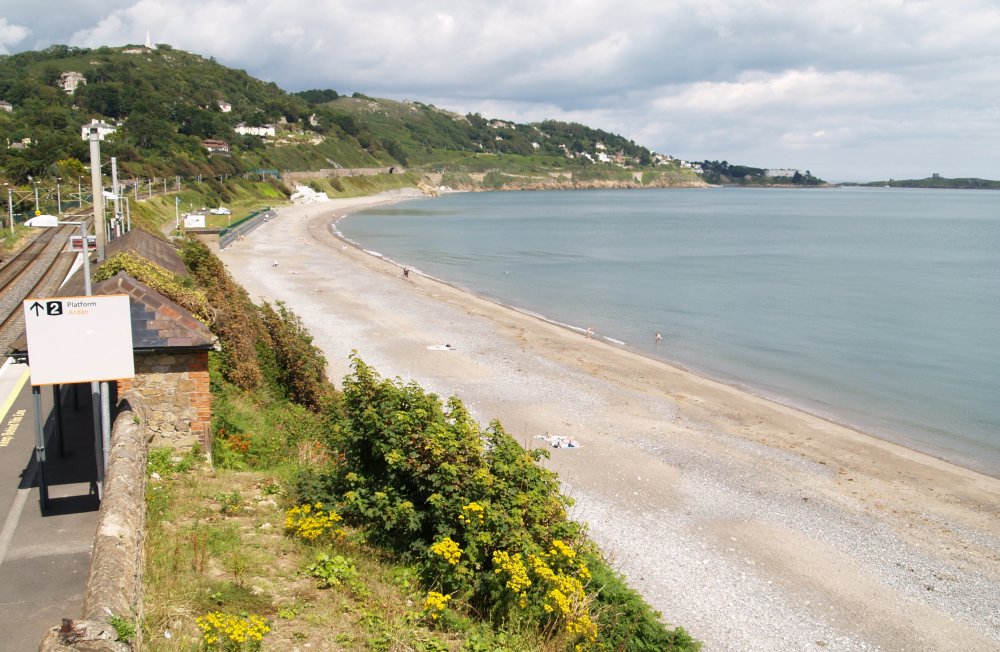


 Just west of Killiney beach











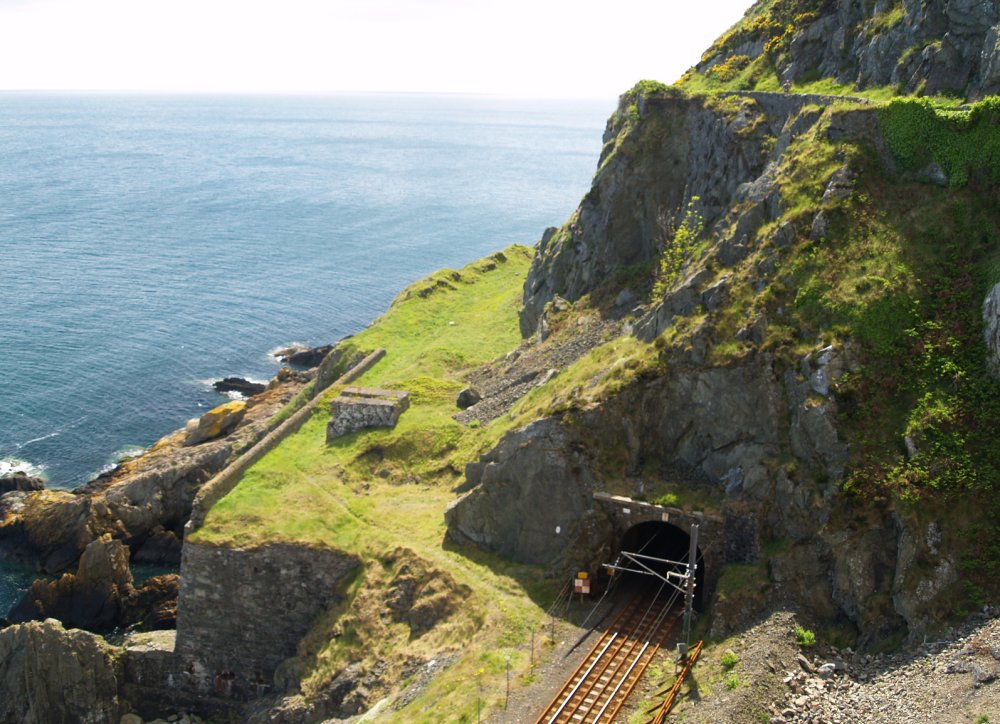
 railway cutting near Bray, single track for the difficult
sections.
railway cutting near Bray, single track for the difficult
sections.


























 Enter place, museum, street, building, gallery, feature, anything of
interest!
Enter place, museum, street, building, gallery, feature, anything of
interest!