|
BRISTOL (2) St Mary Redcliffe Church See also Bristol Cathedral and Some of Bristol's other Churches St Mary Redcliffe Church, Bristol A history of St Mary Redcliffe Church, Bristol [Author and photographer © Dr Phil Brown PhD plus help from AI these days, page updated May 16th 2026]Email: chem55555@hotmail.com City of BRISTOL (its history and sub-index of pictures and notes)
*
St Mary Redcliffe Church Bristol:
St Mary Redcliffe Church Bristol:
St Mary Redcliffe Church Bristol:
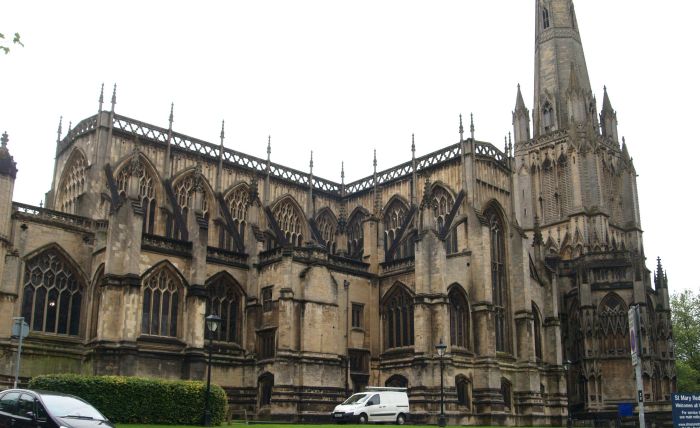
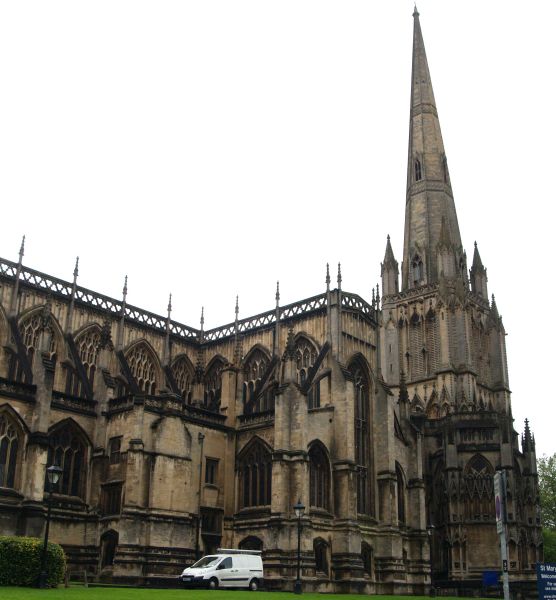
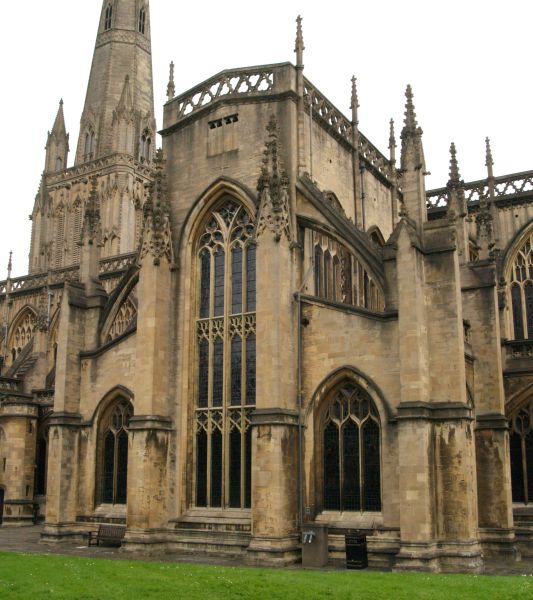
St Mary Redcliffe Church Bristol: The south side of the church - south door, south aisle, flying buttresses above supporting the upper part of the nave and the south transept
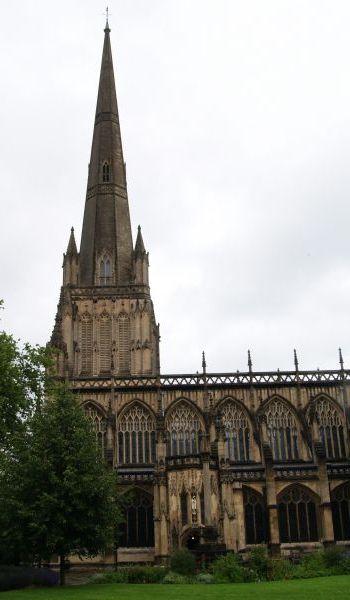
St Mary Redcliffe Church Bristol: The tower and spire
St Mary Redcliffe Church Bristol: A section of tram rail from World War II
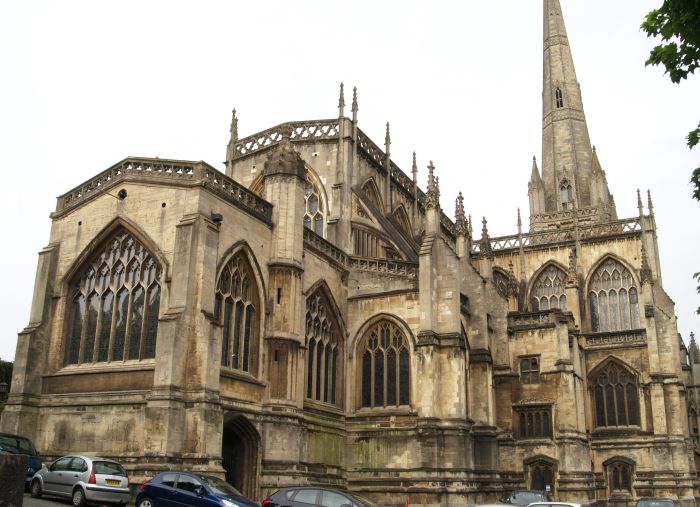
St Mary Redcliffe Church Bristol: View from north-east
St Mary Redcliffe Church Bristol:
St Mary Redcliffe Church Bristol:
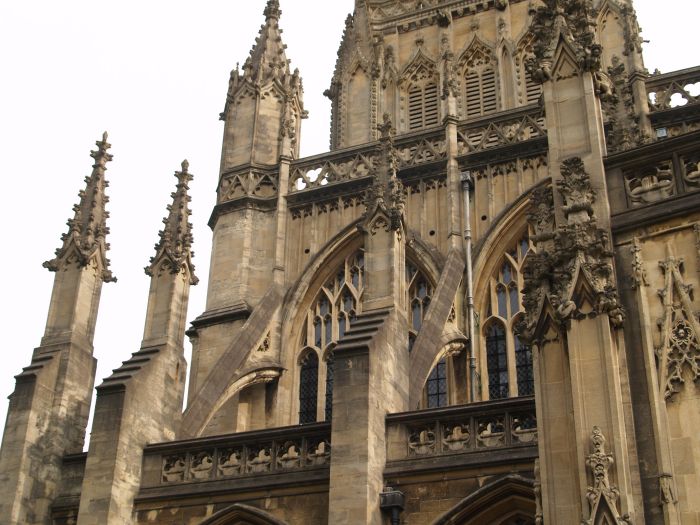
St Mary Redcliffe Church Bristol: The exterior architecture of the north transept
St Mary Redcliffe Church Bristol:
St Mary Redcliffe Church Bristol:
St Mary Redcliffe Church Bristol:
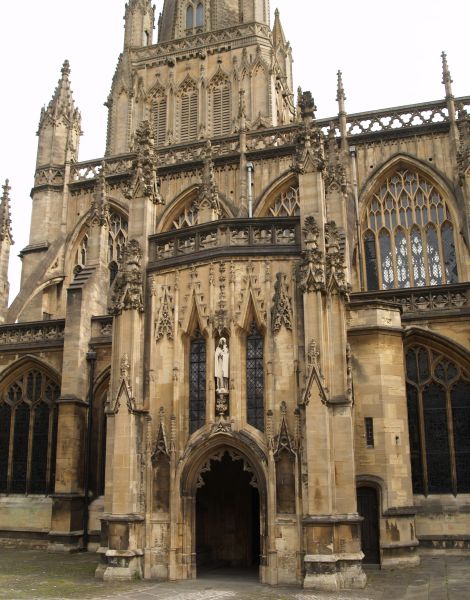
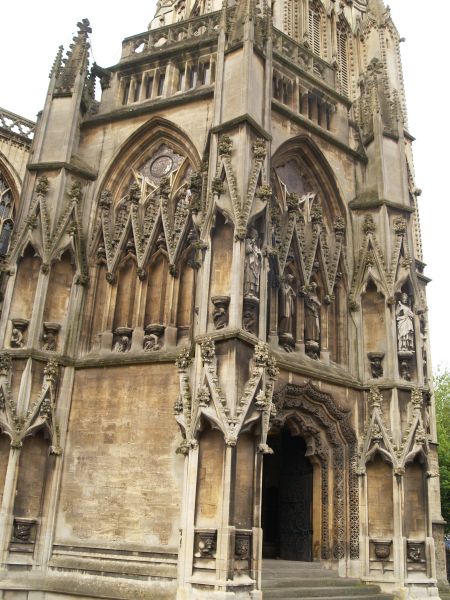
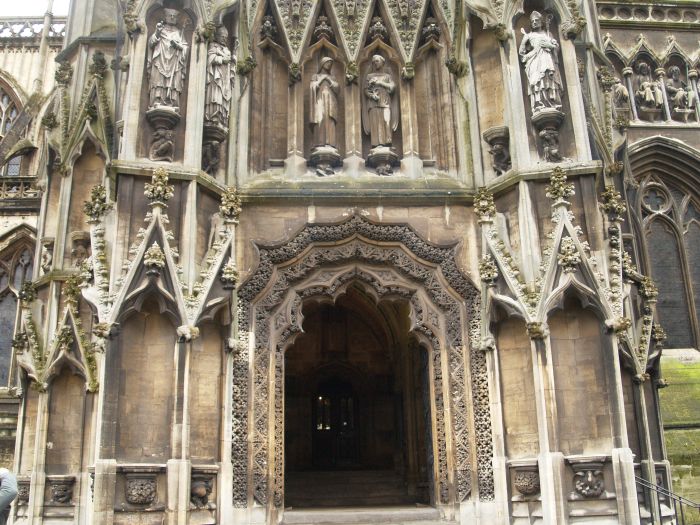
St Mary Redcliffe Church Bristol: north door
St Mary Redcliffe Church Bristol: north door
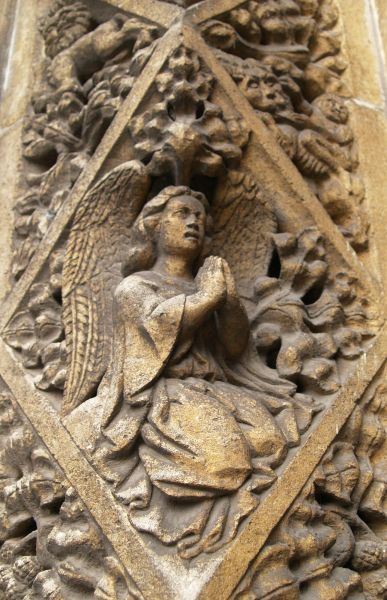
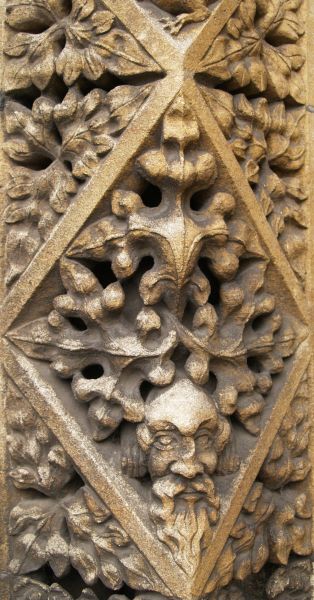
St Mary Redcliffe Church Bristol: Details of the north door entrance
St Mary Redcliffe Church Bristol: Around the north doorway entrance the Victorian craftsmen pay homage to the medieval stone masons.
St Mary Redcliffe Church Bristol:
St Mary Redcliffe Church Bristol:
St Mary Redcliffe Church Bristol:
St Mary Redcliffe Church Bristol: the vaulting in the original north door porch
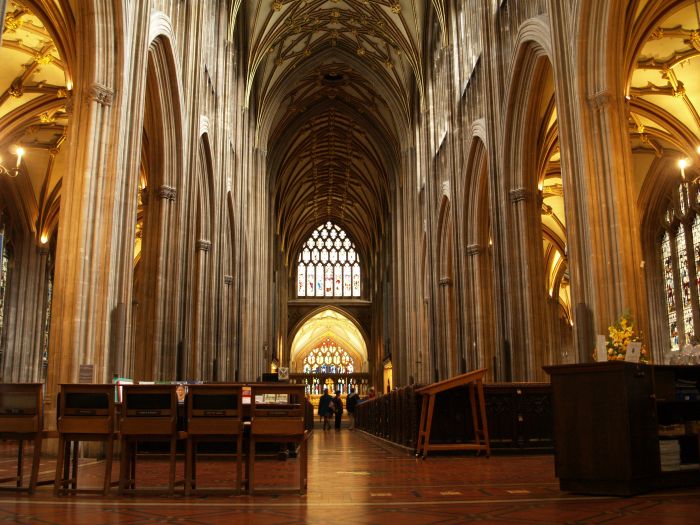
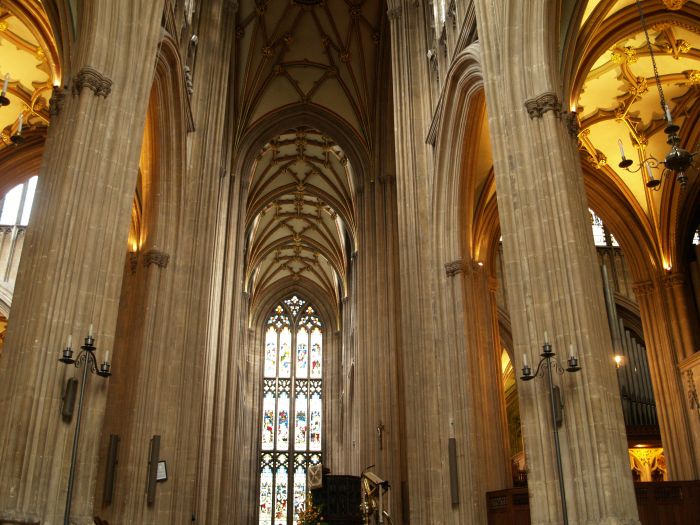
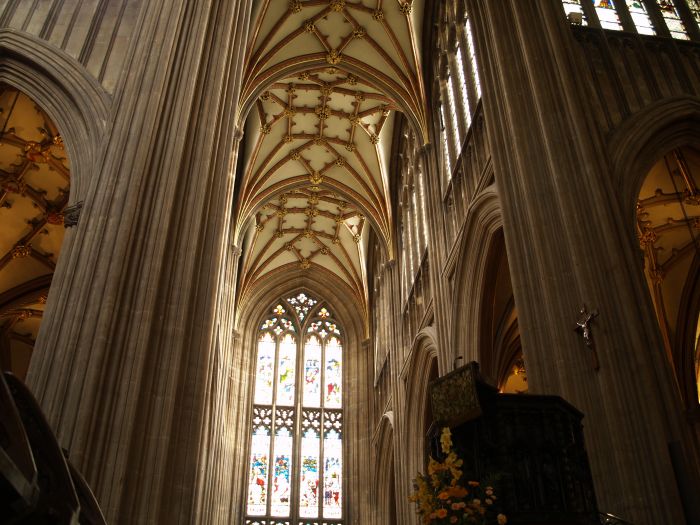
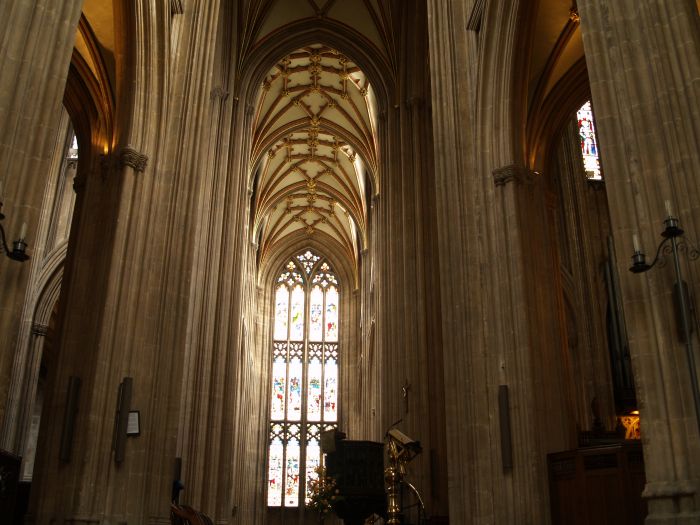
St Mary Redcliffe Church Bristol: Looking west to east down the nave to the choir and chancel
St Mary Redcliffe Church Bristol: the east end of the nave
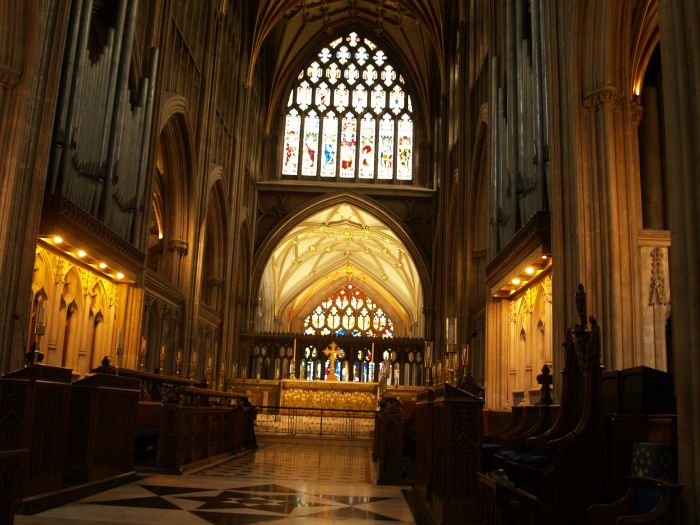
St Mary Redcliffe Church Bristol: Looking east through the choir and altar and beyond to the Lady Chapel chancel?
St Mary Redcliffe Church Bristol:
St Mary Redcliffe Church Bristol:
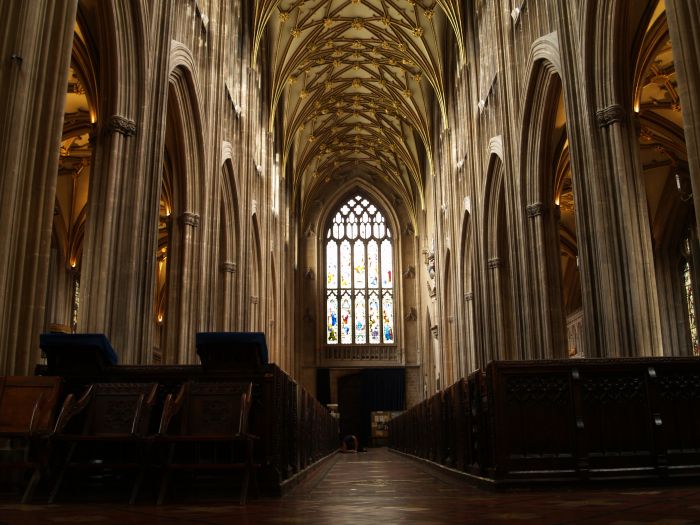
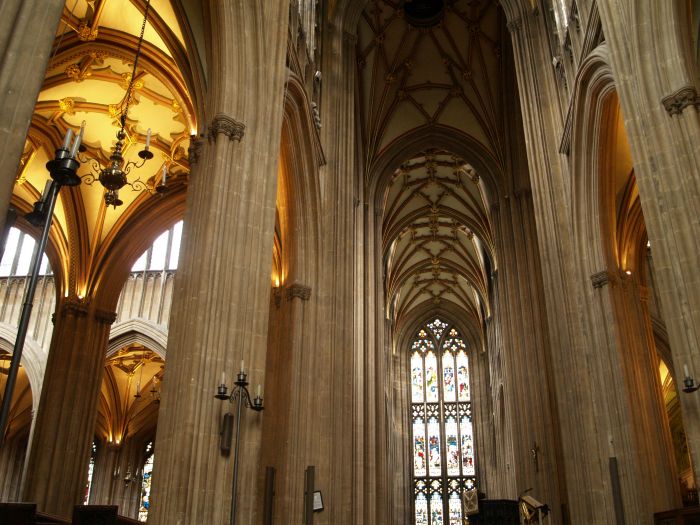
St Mary Redcliffe Church Bristol: Looking west down the nave to the west window - note the magnificent vaulting of the nave roof.
St Mary Redcliffe Church Bristol:
St Mary Redcliffe Church Bristol:
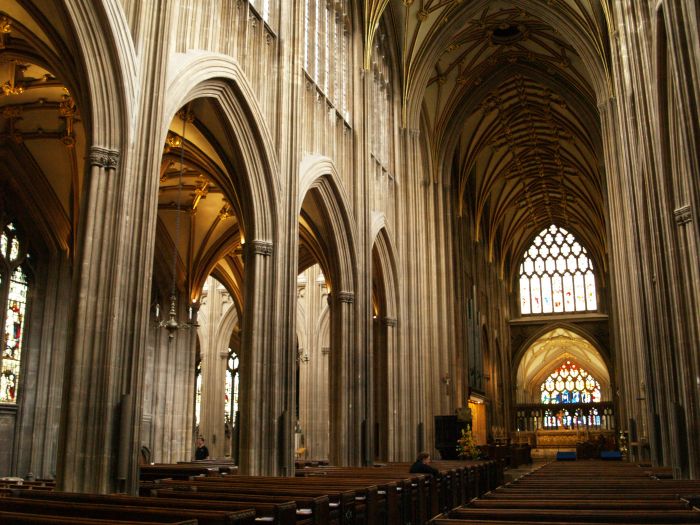
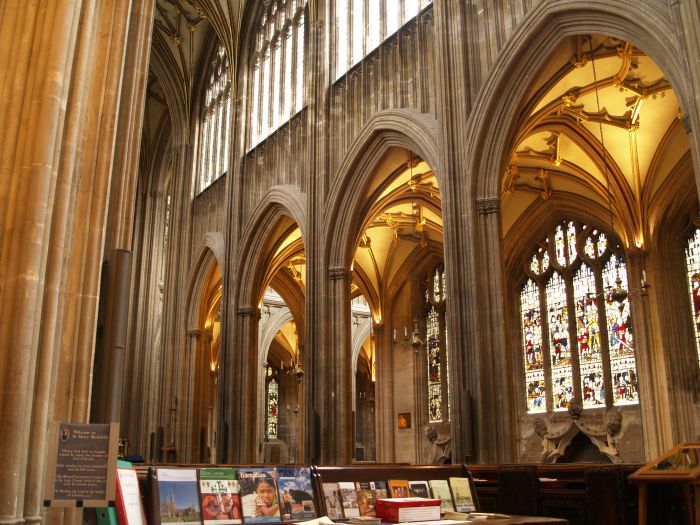
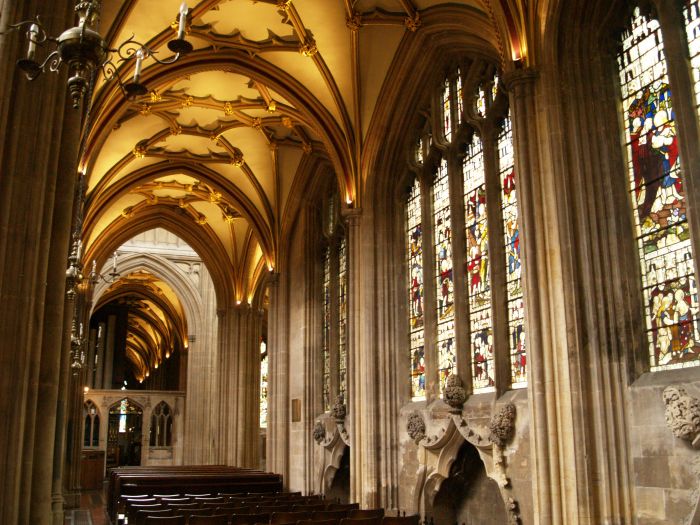
St Mary Redcliffe Church Bristol: The arcade arches of the south aisle
St Mary Redcliffe Church Bristol: where the north aisle meets the north transept
St Mary Redcliffe Church Bristol: where the north aisle meets the north transept
St Mary Redcliffe Church Bristol: Looking from the south transept to the north transept
St Mary Redcliffe Church Bristol: Looking from the south transept to the north transept
St Mary Redcliffe Church Bristol: The meeting of the south transept and the east end of nave and south aisle
St Mary Redcliffe Church Bristol:
St Mary Redcliffe Church Bristol:
St Mary Redcliffe Church Bristol:
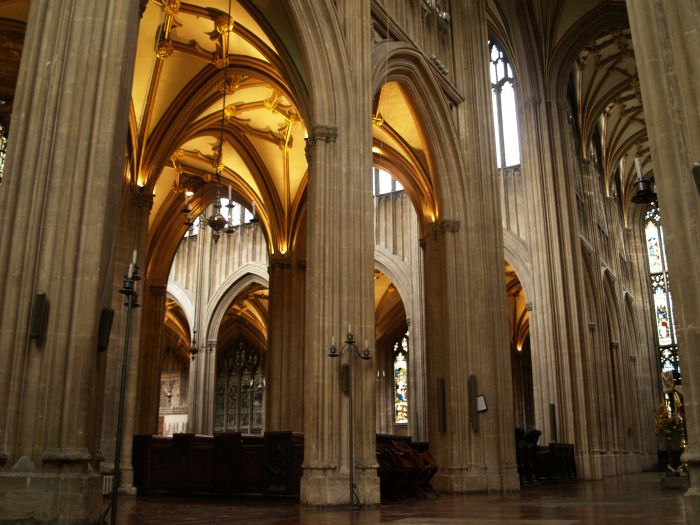
St Mary Redcliffe Church Bristol: Looking west down the north aisle
St Mary Redcliffe Church Bristol:
St Mary Redcliffe Church Bristol:
St Mary Redcliffe Church Bristol:
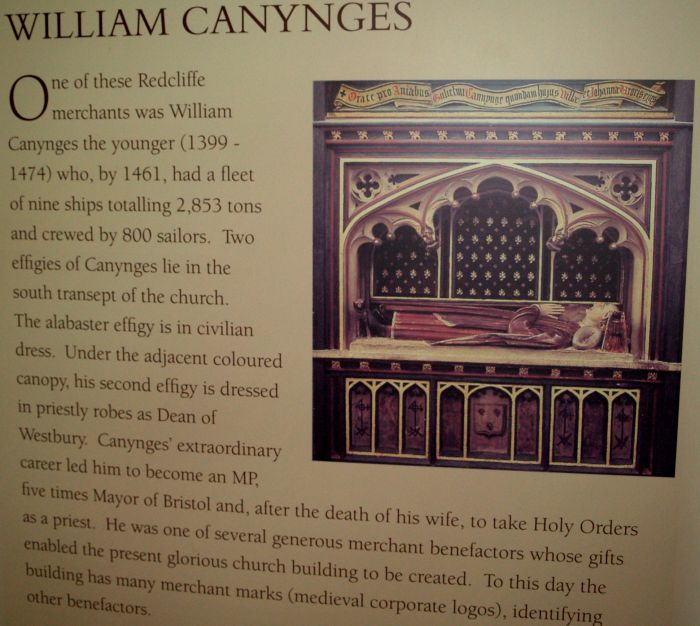
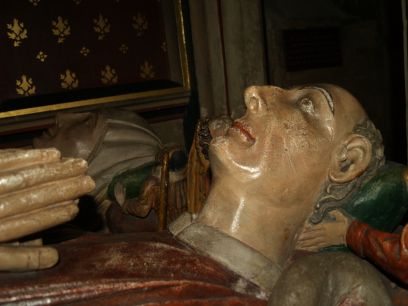
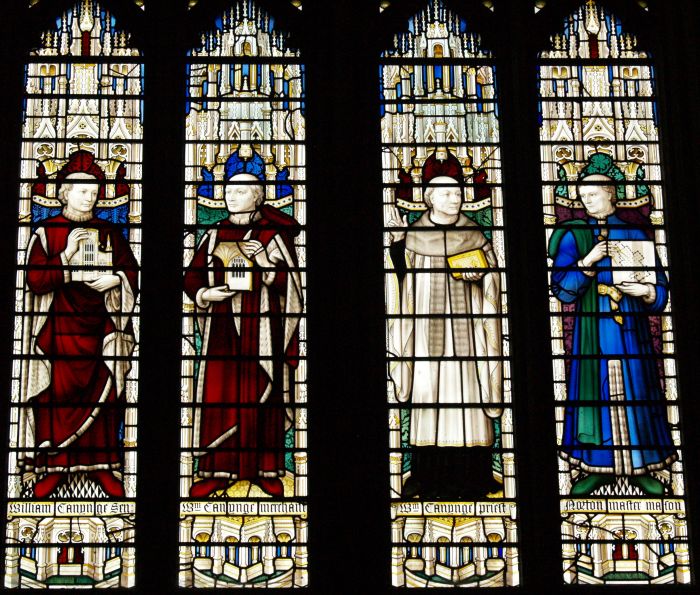
St Mary Redcliffe Church Bristol: Tomb of William Canynges and his wife
St Mary Redcliffe Church Bristol: Tomb of William Canynges and his wife
St Mary Redcliffe Church Bristol:
St Mary Redcliffe Church Bristol:
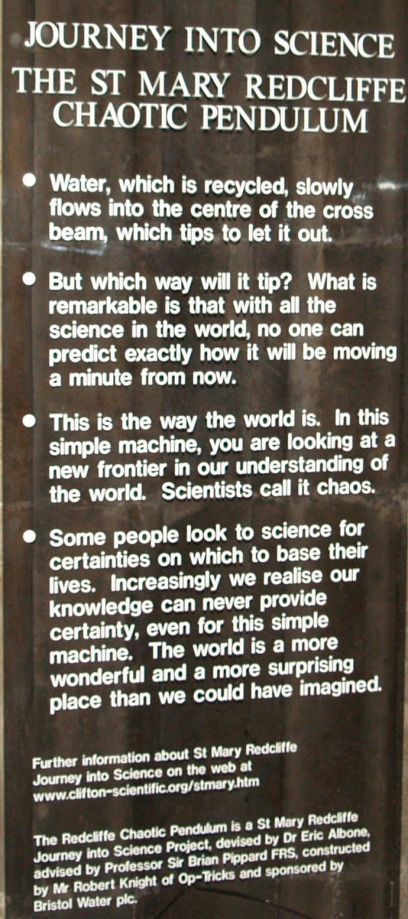
St Mary Redcliffe Church Bristol: The chaotic pendulum
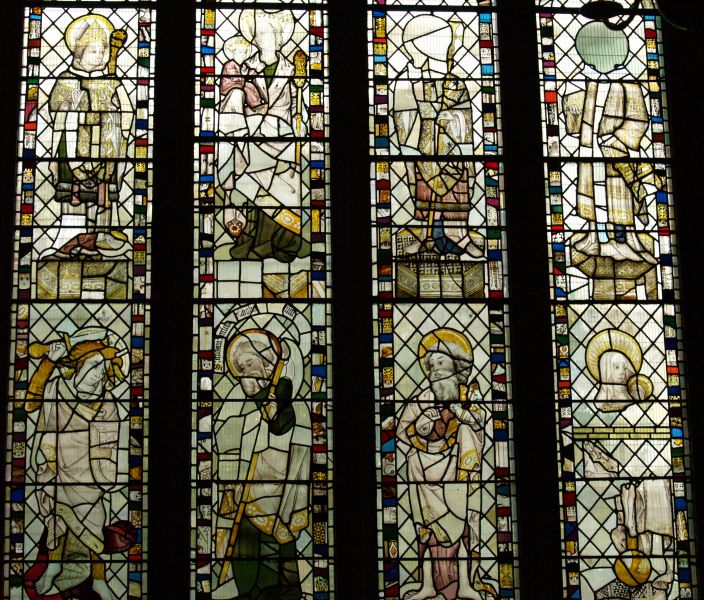
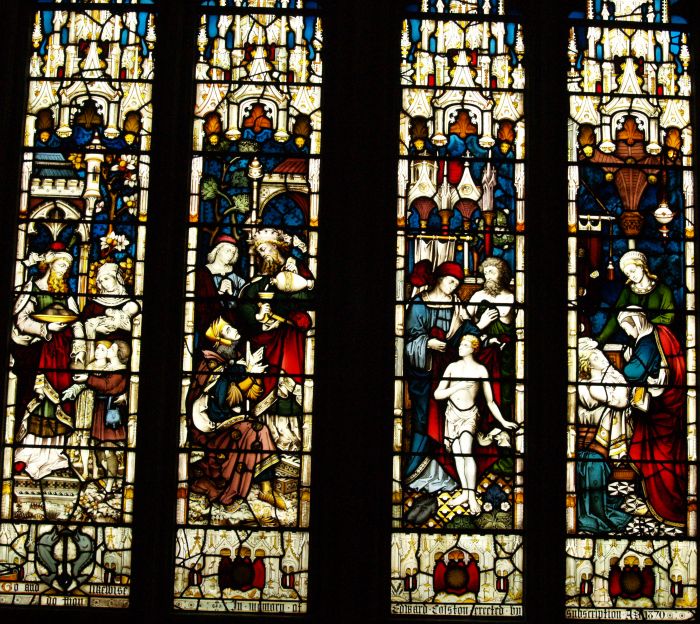
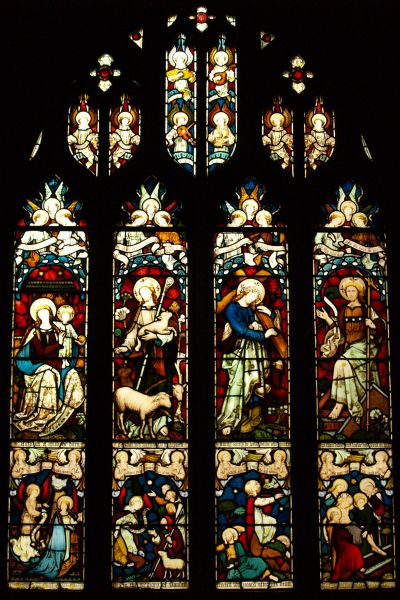
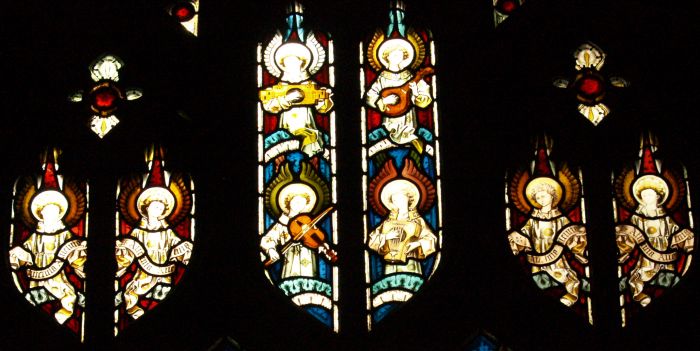
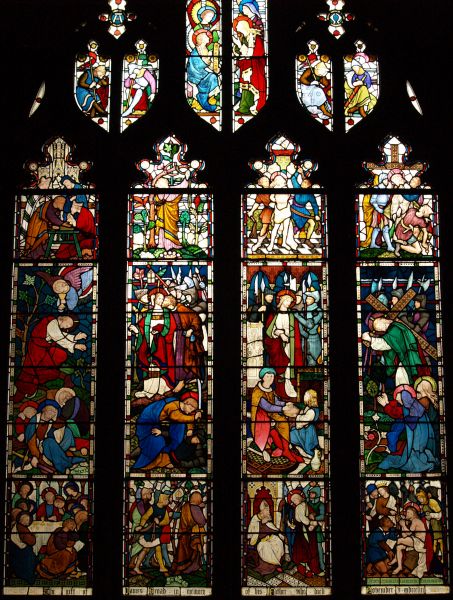
Stained glass windows - painted glass window panels based on leaflet
St Mary Redcliffe Church Bristol:
St Mary Redcliffe Church Bristol:
St Mary Redcliffe Church Bristol:
St Mary Redcliffe Church Bristol:
St Mary Redcliffe Church Bristol:
St Mary Redcliffe Church Bristol:
St Mary Redcliffe Church Bristol:
St Mary Redcliffe Church Bristol:
St Mary Redcliffe Church Bristol:
St Mary Redcliffe Church Bristol:
St Mary Redcliffe Church Bristol:
St Mary Redcliffe Church Bristol:
St Mary Redcliffe Church Bristol:
St Mary Redcliffe Church Bristol:
St Mary Redcliffe Church Bristol:
St Mary Redcliffe Church Bristol:
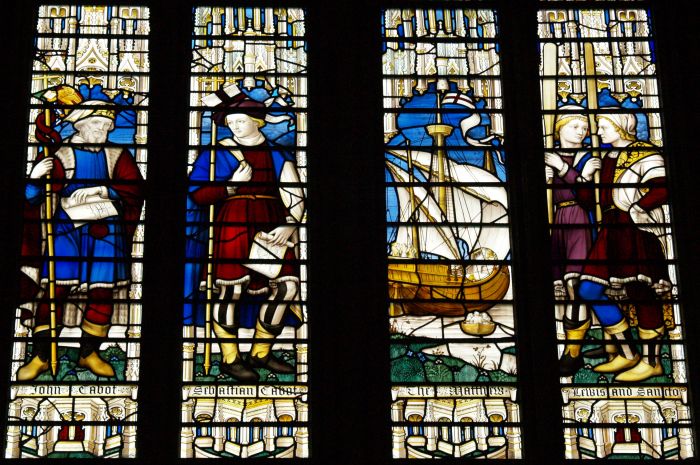
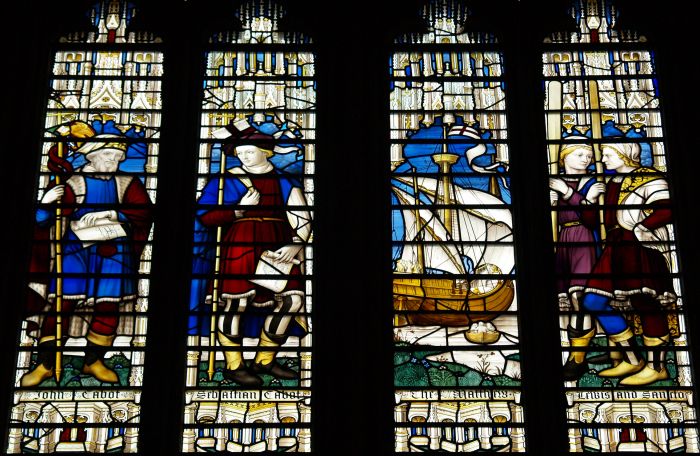
SORT OUT THOSE BELOW Cabot window
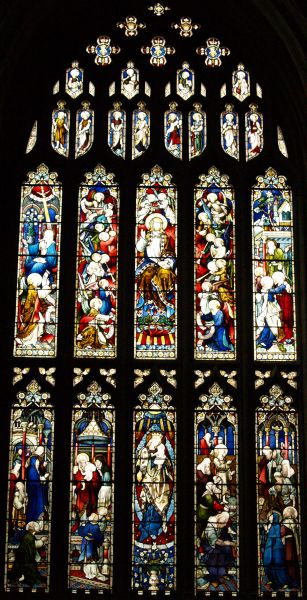
St Mary Redcliffe Church Bristol: top south transept south window
St Mary Redcliffe Church Bristol: middle south transept south window
St Mary Redcliffe Church Bristol: bottom south transept south window
St Mary Redcliffe Church Bristol: Chapel of St John the Baptist (in the north-west corner of church) - west window
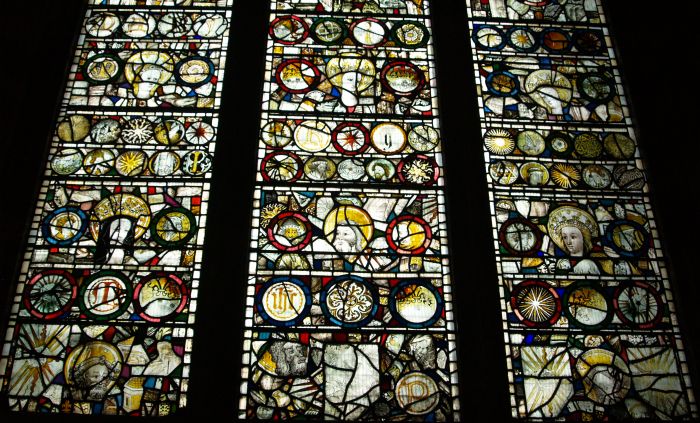
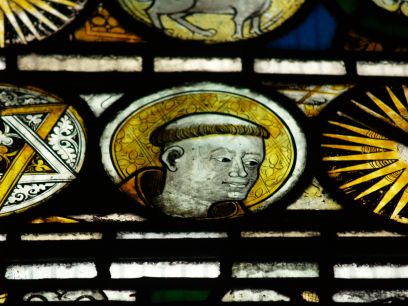
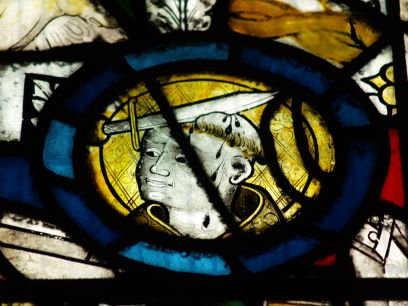
St Mary Redcliffe Church Bristol: Chapel of St John the Baptist - the north window consisting of fragments of medieval stained glass
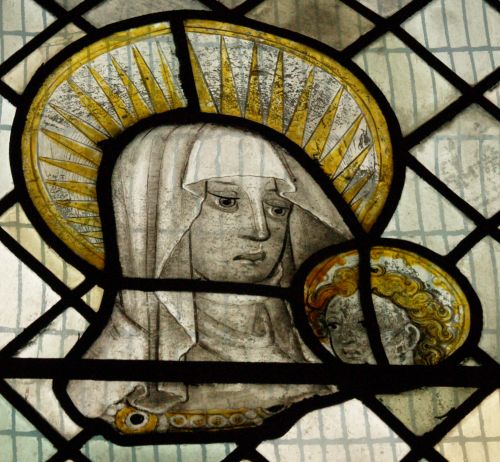
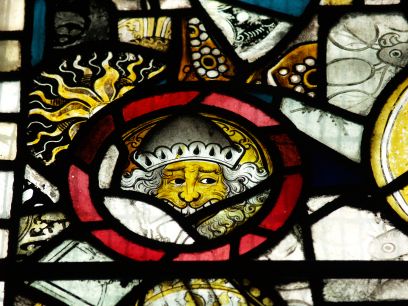
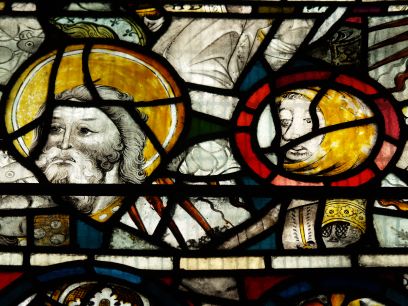
St Mary Redcliffe Church Bristol: Details from above
St Mary Redcliffe Church Bristol: Figure of Queen Elizabeth 1st
St Mary Redcliffe Church Bristol:
St Mary Redcliffe Church Bristol:
St Mary Redcliffe Church Bristol:
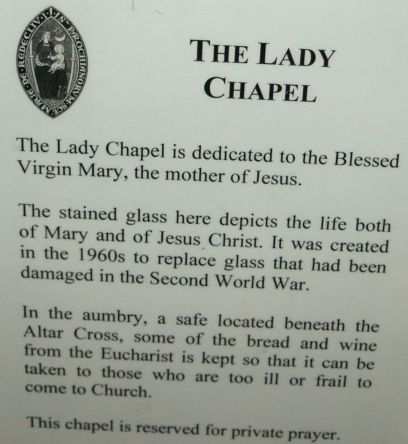
The Lady Chapel
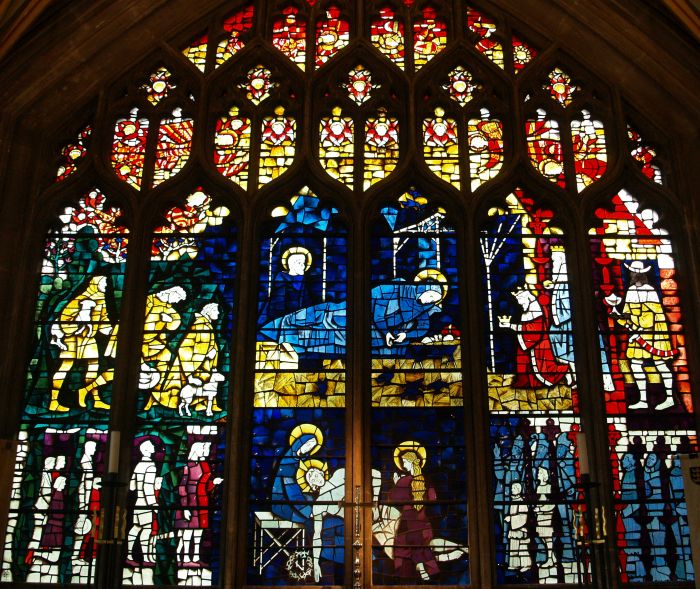
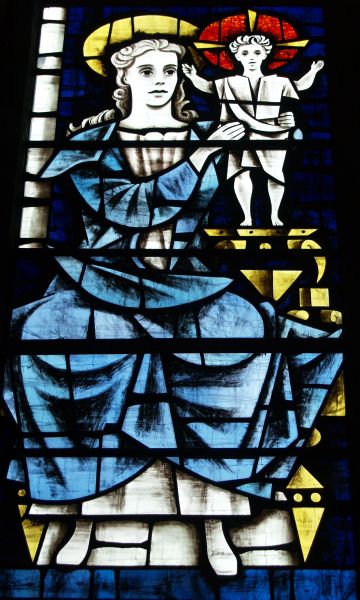
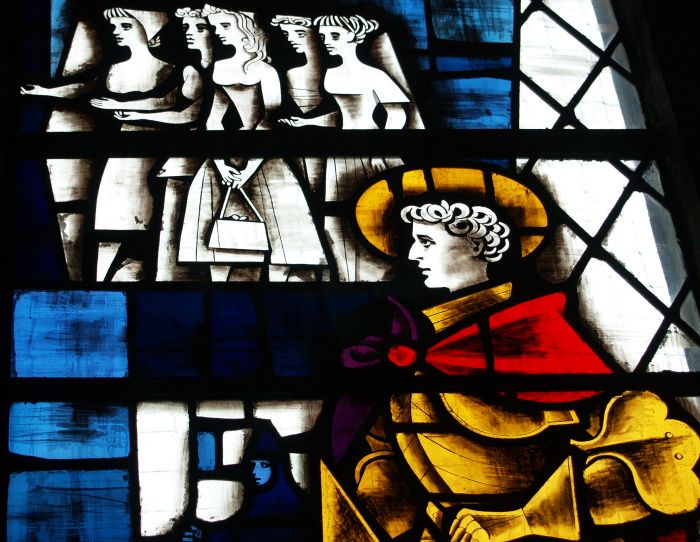
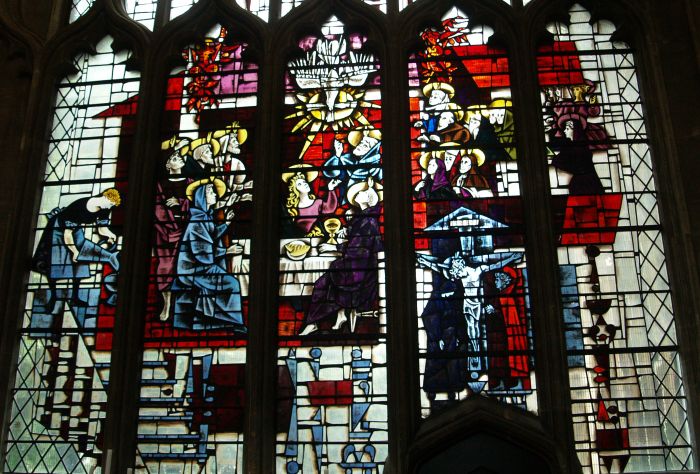
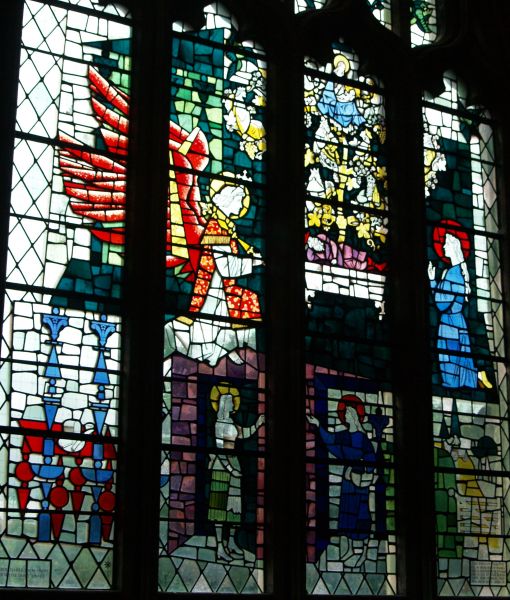
St Mary Redcliffe Church Bristol: Lady Chapel and its stained glass windows
St Mary Redcliffe Church Bristol:
St Mary Redcliffe Church Bristol:
St Mary Redcliffe Church Bristol:
St Mary Redcliffe Church Bristol:
St Mary Redcliffe Church Bristol:
St Mary Redcliffe Church Bristol:
St Mary Redcliffe Church Bristol:
St Mary Redcliffe Church Bristol:
St Mary Redcliffe Church Bristol:
St Mary Redcliffe Church Bristol:
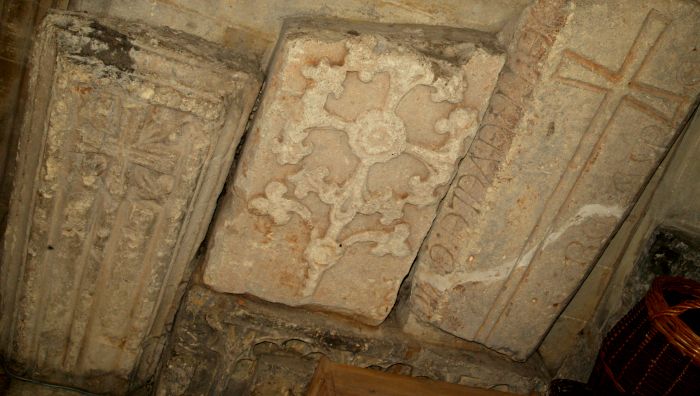
St Mary Redcliffe Church Bristol: Old medieval tomb stone covers marked with crosses - from knights tombs?
The cafe in the vaults of St Mary Redcliffe Church Bristol: See also Bristol Cathedral and Some of Bristol's other Churches A history of St Mary Redcliffe Church, Bristol St Mary Redcliffe is one of the greatest Gothic churches in England—vast, soaring, lavishly decorated, and repeatedly praised by monarchs—yet it has always remained a parish church rather than a cathedral. Its story is inseparable from Bristol’s medieval maritime wealth, the patronage of merchant dynasties, and centuries of architectural ambition. Below is a full, structured history from its origins to today, grounded in authoritative sources. Founded by at least 1158, rebuilt on a grand scale in the 14th–15th centuries by Bristol’s merchant elite—especially the Canynges family—St Mary Redcliffe is a masterpiece of Early English, Decorated, and Perpendicular Gothic architecture, with a 274‑ft spire, stone vaulting throughout, and a unique double north porch. Despite its cathedral‑like scale, it has always served the parish of Redcliffe, not a bishop’s seat. 1. Origins and Early Development (12th–13th centuries)First references and early church
Early Gothic fabric
2. The Great Medieval Rebuilding (14th–15th centuries)Merchant patronage and Bristol’s maritime wealthSt Mary Redcliffe’s grandeur is directly tied to Bristol’s rise as a major medieval port. Wealthy merchants funded the church as an expression of civic pride, piety, and status. ⭐ The Canynges Dynasty
📌 Other medieval features
3. Disaster, Reformation, and Restoration (15th–19th centuries)1446: Lightning strike
Reformation & Civil War
19th‑century revival
4. St Mary Redcliffe in the Modern Era (20th–21st centuries)Surviving the Bristol Blitz
Pollution and repairs
Today
5. Architectural Highlights⭐ Overall styleA fusion of Early English, Decorated, and Perpendicular Gothic, with later Gothic Revival restoration. Key features
6. Why is St Mary Redcliffe not a cathedral?Despite its size and splendour, St Mary Redcliffe has never been the seat of a bishop. Reasons include: 1. Historical diocesan structureBristol’s medieval diocese was centred on Worcester or Salisbury depending on the period. Redcliffe was simply a wealthy parish within these jurisdictions. 2. Bristol Cathedral already existedWhen the Diocese of Bristol was created in 1542, the former St Augustine’s Abbey became Bristol Cathedral. St Mary Redcliffe, though grander in some respects, was not monastic and therefore not a candidate. 3. Parish identity and merchant patronageThe church’s purpose was always to serve the local parish and maritime community, not to function as an episcopal centre. Its magnificence reflects civic pride, not diocesan authority. 7. Reputation and Praise Through the Ages
Summary Table
Here is a fully structured, immersive architectural trail through St Mary Redcliffe, designed exactly as you’d walk it—porches → nave → transepts → choir → monuments—with context, interpretation, and the kind of detail that helps visitors, students, and heritage‑minded readers understand why each space matters. This is written as if you are standing in the church, moving through it in the most revealing sequence. Visitor’s Architectural Trail Through St Mary Redcliffe1. Approach and Porches – the ceremonial thresholdA. The Outer North Porch (c.1320) – a masterpiece of Decorated GothicThis is the most dramatic entrance to any parish
church in England.
This porch was built to envelop an earlier shrine, creating a processional space for sailors and pilgrims. B. The Inner North Porch (c.1185) – the oldest part of the churchStepping inside:
This double‑porch arrangement is unique in England. 2. The Nave – a cathedral in all but nameEntering the nave, the space opens dramatically: A. Scale and Proportions
B. Style
C. Light
D. The Font
3. The Transepts – the church’s great crossingMoving forward, you reach the crossing, where the nave meets the transepts. A. North Transept
B. South Transept
C. The Crossing Tower
4. The Choir and East End – the spiritual and architectural climaxA. The Choir (15th century)
B. The High Altar and Reredos
C. The Lady Chapel
5. Monuments and Treasures – the human story of the church⭐ The Canynges TombsTwo effigies of William Canynges the Younger:
These are among the finest 15th‑century effigies in England. ⭐ The WhaleboneTraditionally said to have been brought back by
John Cabot after his 1497 voyage to Newfoundland. ⭐ The Chatterton MemorialCommemorates the tragic poet Thomas Chatterton, who claimed to have discovered medieval manuscripts in the church. ⭐ The American ChapelDedicated to the US servicemen stationed in Bristol
during WWII. ⭐ The OrganA major instrument with a long history of rebuilds, occupying the south transept. 6. Exterior Highlights – best appreciated on a circuitA. The Spire (1872)
B. Flying Buttresses
C. The Redcliffe Setting
Suggested Walking Route (Quick Reference)
City of BRISTOL (its history and sub-index of pictures and notes) Bristol scenes docspics images pictures photos photographs © Phil Brown top tourist attractions in Bristol, tourist information on Bristol, student accommodation in Bristol, luxury hotels, hostels to suit all budgets, B&B, self-catering flats, dining out in Bristol, pubs, bars, cafes, restaurants, museums, art galleries, guided tours of Bristol docks, colleges, universities, churches, cathedral, music concerts, theatres, cinemas, River Avon, marinas, mini-breaks city breaks in Bristol, bargain train tickets to Bristol, cheap air fares to Bristol, properties for sale in Bristol, Bristol property estate agents, budget weekend deals for Bristol, flats to rent in Bristol, houses to rent in Bristol, properties to rent in Bristol, public transport in the Bristol area BRISTOL INDEX: 1. Bristol Temple Meads Station 2. St Mary's Church, Redcliffe 3. Scenes from Bristol's Floating Harbour from the Quayside 4. Clifton and Clifton Suspension Bridge 5. Bristol City Museum & Art Gallery 6. Bristol's The Red Lodge 7. Miscellaneous Buildings of Bristol 8. Bristol's St Nicholas Market & Old City 9. Bristol Street Art - Graffiti Artists Work! 10. Bristol Cathedral 11. Bristol's Squares, Greens and Parades 12. Bristol Harbour Ferry Boat Trips 13. Brunel's SS Great Britain 14. M Shed Museum of Bristol 15. Some of Bristol's other Churches |










































|
 Enter
anything of interest!
Enter
anything of interest!
|


