|
5b. Edinburgh Part 4. The Royal Botanic Garden Scottish Scenes * Scotland Index A tour of the Royal Botanic Gardens, Edinburgh in pictures with the minimum of text to read, ENJOY! but best to visit the real thing! The Royal Botanic Garden Edinburgh's collections include Alpine Plants, Chinese Hillside, Cryptogamic Garden, The Glasshouses, Palm House, Temperate Palms, Tropical Palms, Orchids and Cycads, Ferns and Fossils, Plants and people (including Giant Water Lily pond), Temperate lands, Rainforest Riches, Arid Lands, Montane tropical house (including Carnivorous plants), Wet Tropical House, Peat Walls, The Queen Mother's memorial garden, Rock Garden, Scottish Heath Garden, Woodland Garden. The Royal Botanic Garden Edinburgh is the most wonderful place to walk around at any time of the year. A history of the Edinburgh Botanic Garden and its collections of plant species [Author and photographer © Dr Phil Brown PhD plus help notes from AI these days, page updated May17th 2026]*
The entrance to the Royal Botanic Gardens, Edinburgh
The 'metallic' sculptured gate entrance to the Royal Botanic Garden Edinburgh
The cafe in the Royal Botanic Gardens, Edinburgh
Native Scottish plants of a shingle beach re-created in the Royal Botanic Gardens, Edinburgh
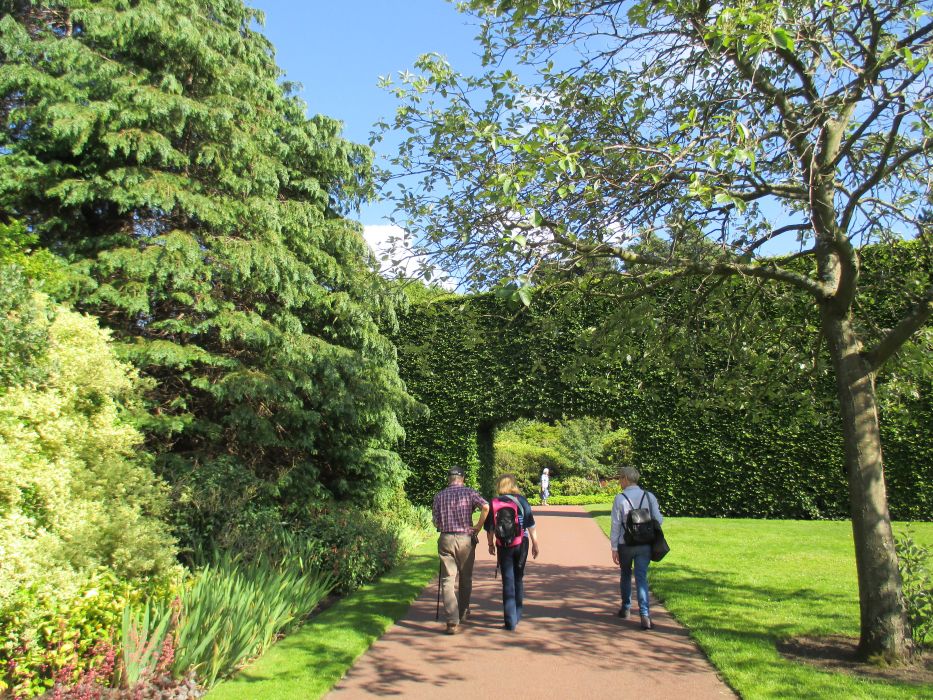
Glorious flower and shrub beds to walk around in Royal Botanic Garden Edinburgh
*
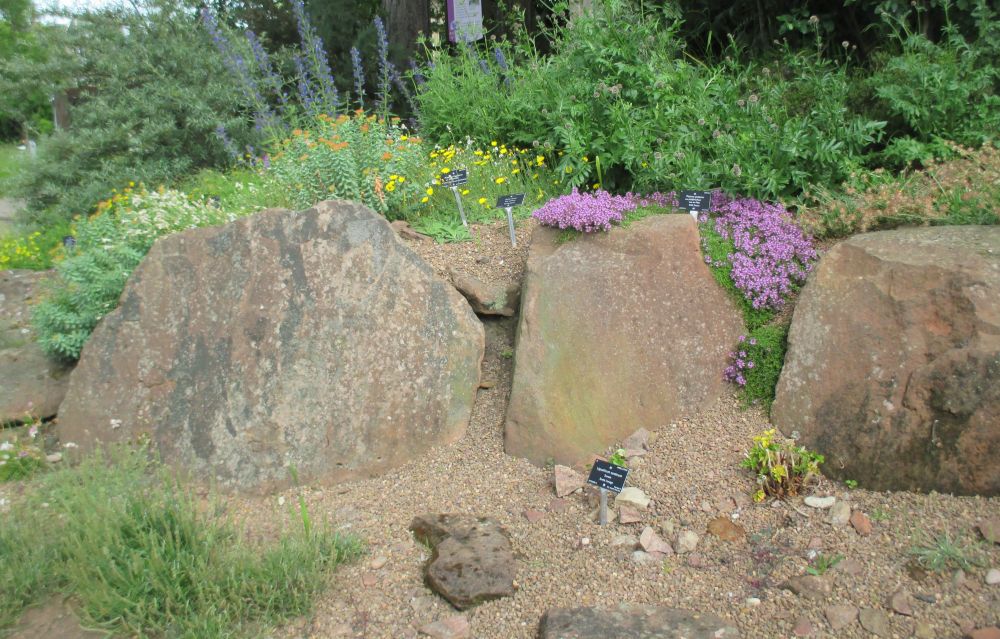
Part of the rock garden of Royal Botanic Garden Edinburgh
*
Plants of North America in Royal Botanic Garden Edinburgh
*
*
*
*
*
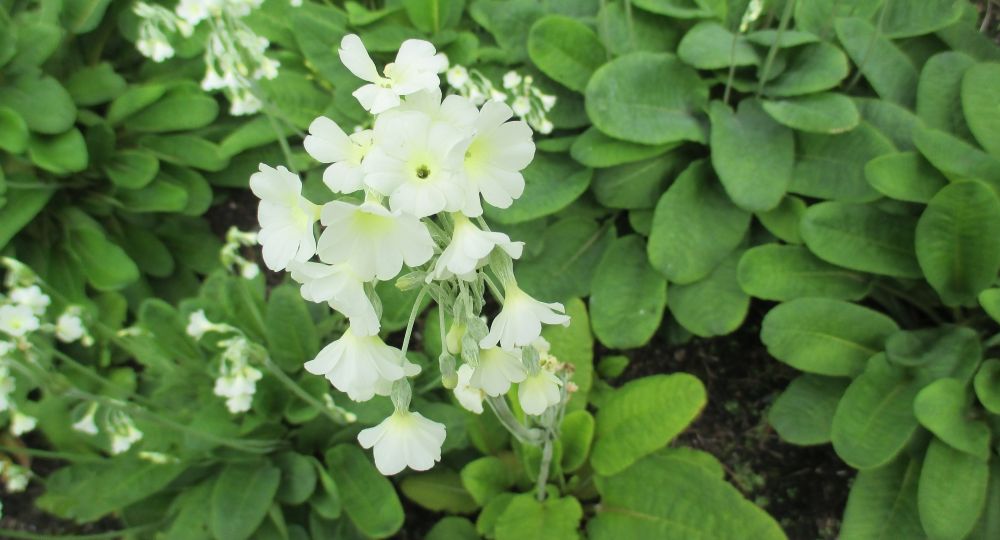
Primulaceae, Primula alpicola var. alba from south-east Tibet
*
The stumpery wooded garden in Royal Botanic Garden Edinburgh
Some old tree stumps in the stumpery of Royal Botanic Garden Edinburgh
*
*
*
*
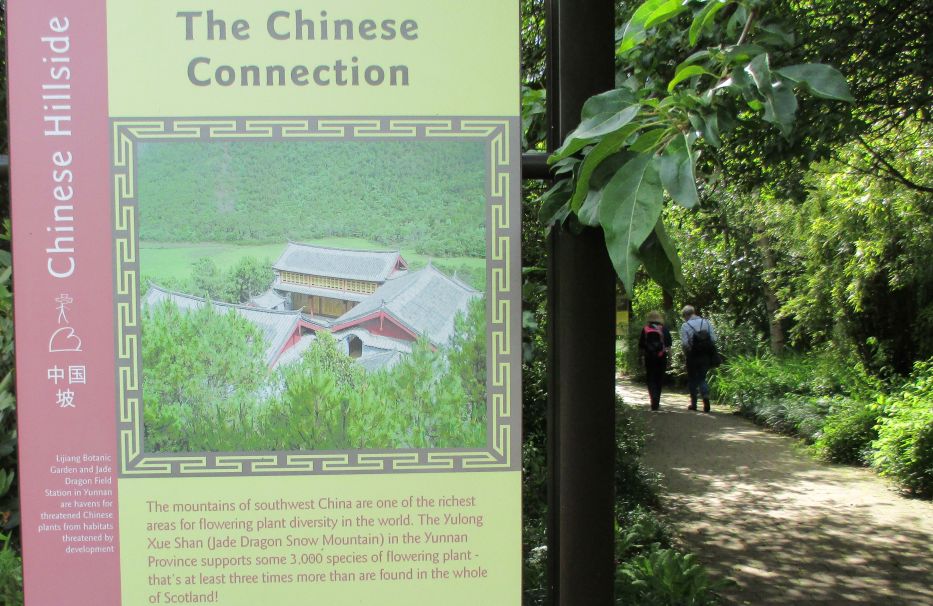
The Chinese Connection of the Royal Botanic Garden Edinburgh
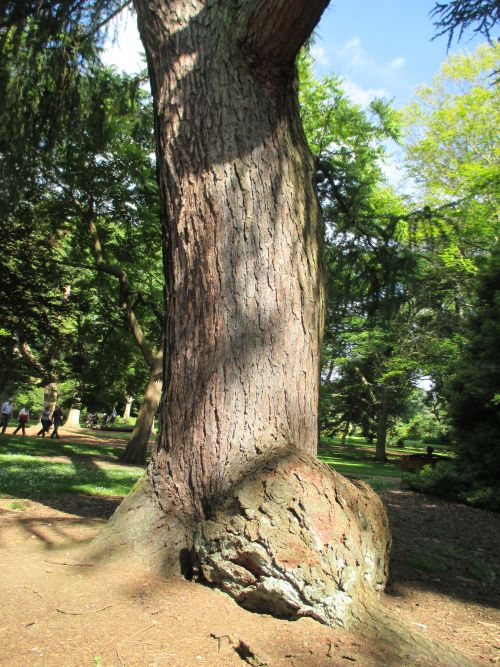
Pinaceae, Cedrus deodara from the Himalayas in the Royal Botanic Garden Edinburgh
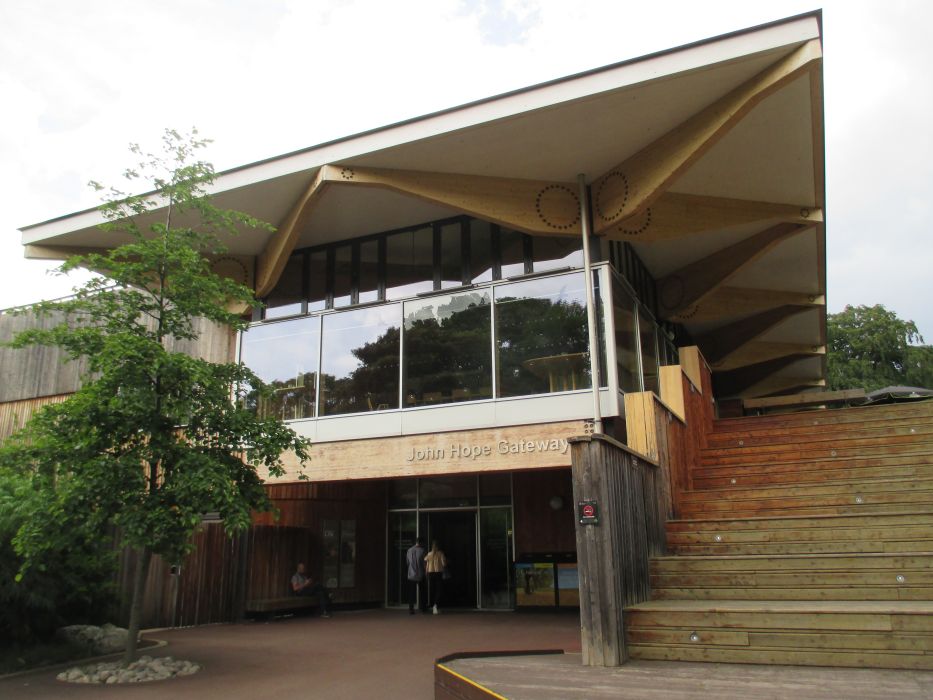
Royal Botanic Garden Edinburgh's John Hope Gateway entrance to visitor centre and restaurant
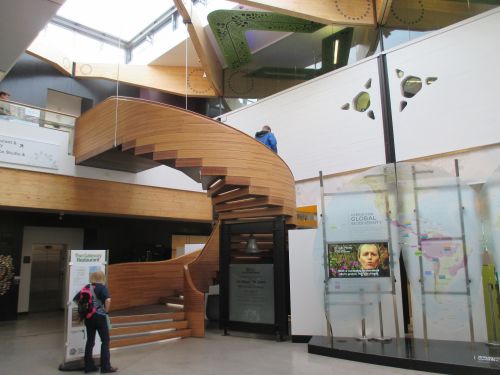
The visitor and education centre in Royal Botanic Garden Edinburgh
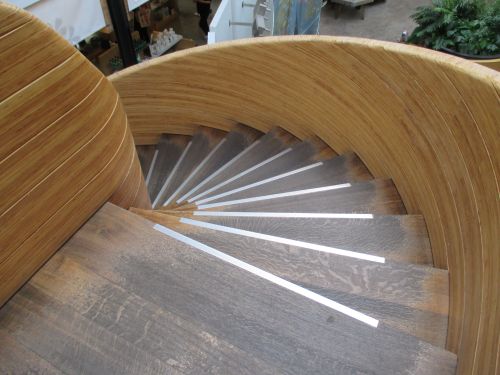
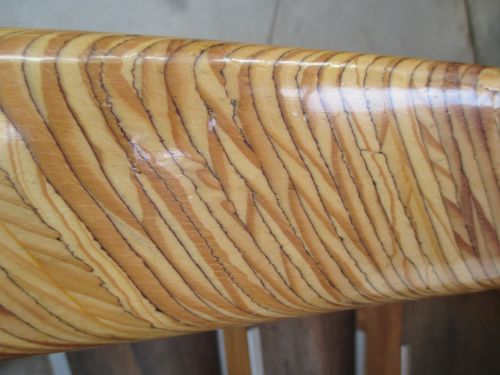
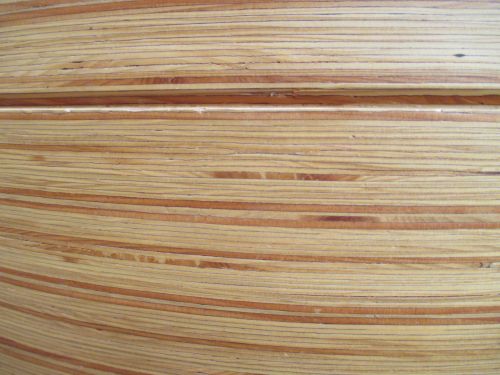
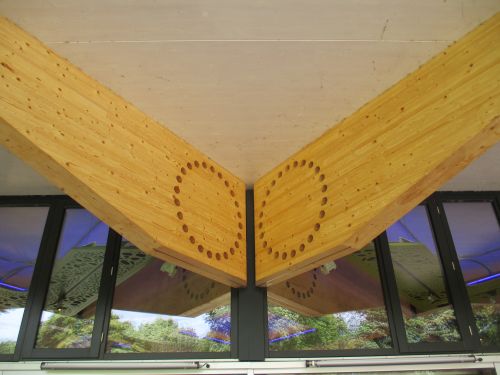
Interesting fabricated wood fittings
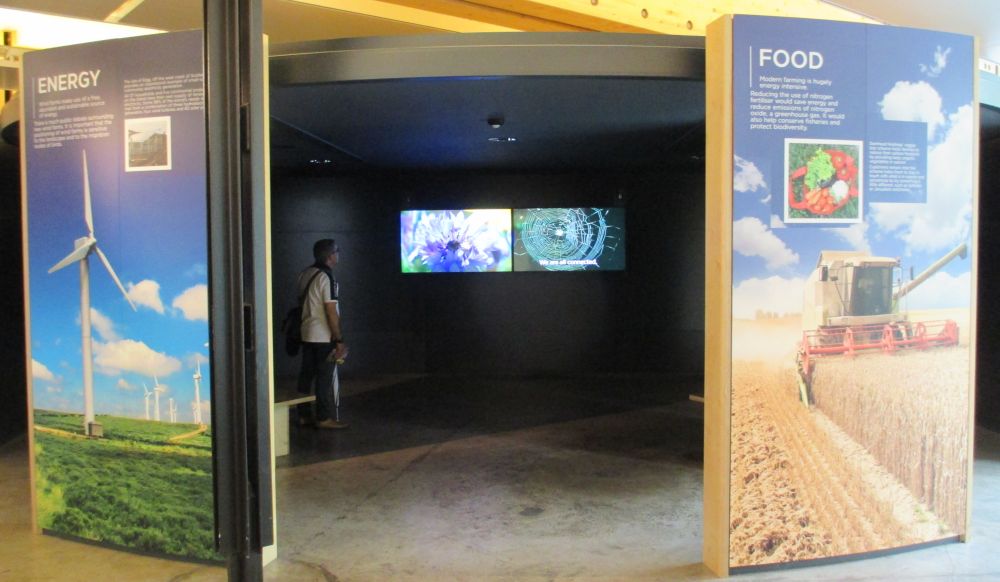
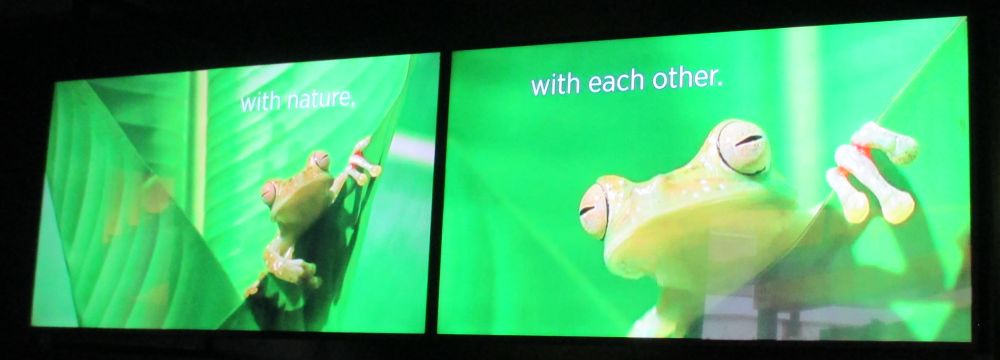
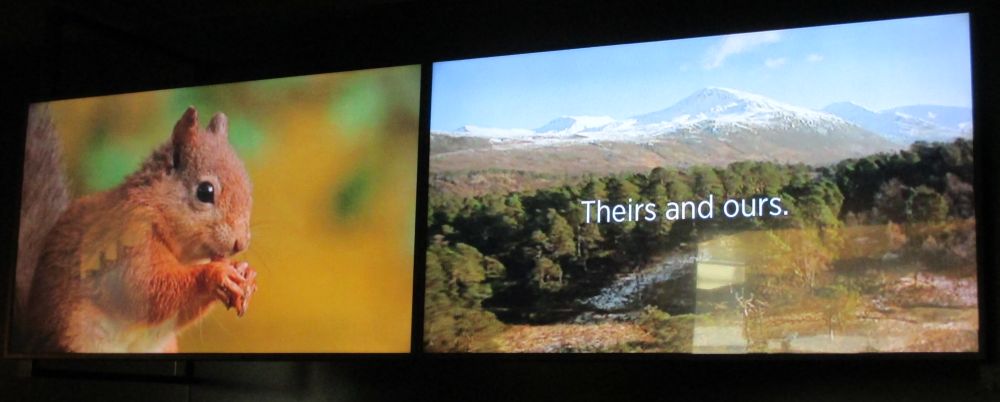
Illustrating global diversity in Royal Botanic Garden Edinburgh, with audiovisual backup!
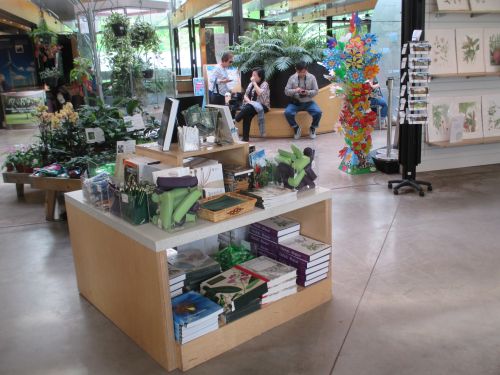
You can buy plants directly from Royal Botanic Garden Edinburgh
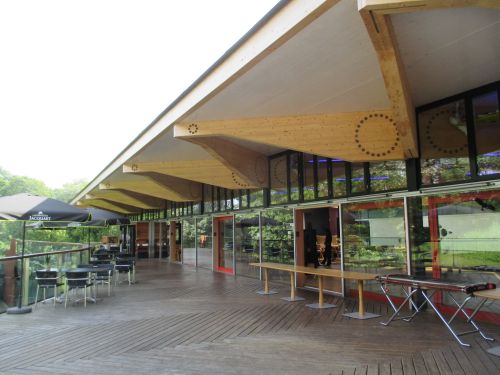
An interesting restaurant design in Royal Botanic Garden Edinburgh
Pinaceae, Larix x eurolepis (kaempferi x decidua) from Scotland
Student plots in Royal Botanic Garden Edinburgh
The Botanic Cottage
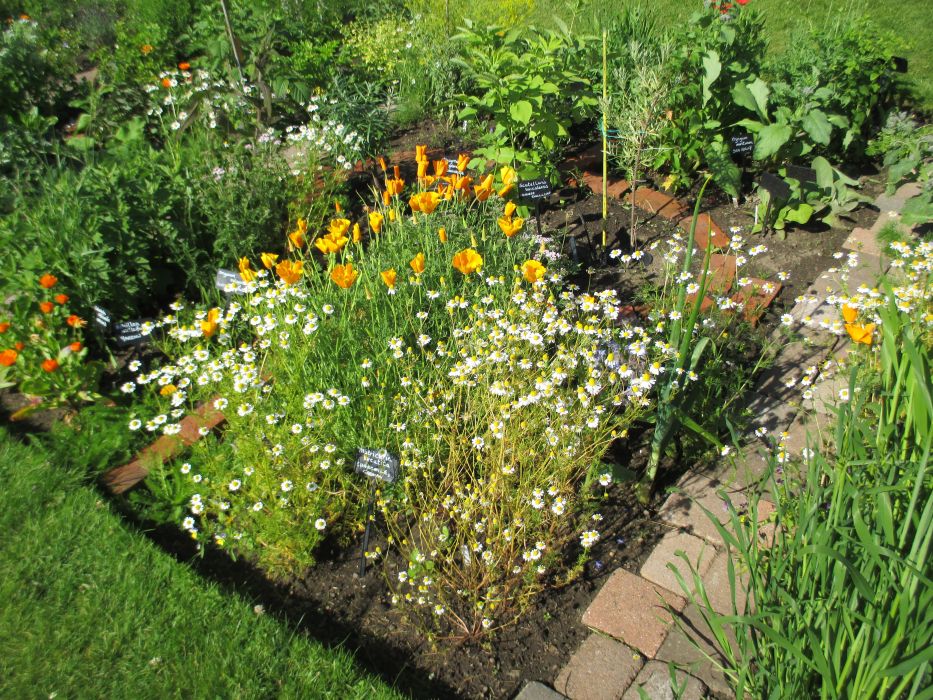
Images of the herb garden of Royal Botanic Garden Edinburgh
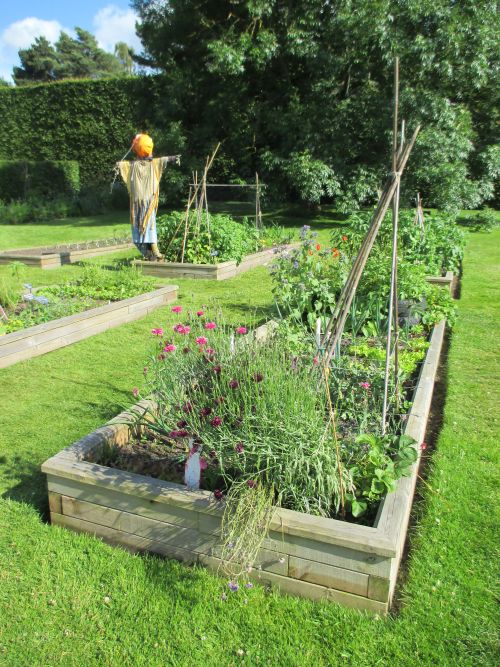
The herbology physic garden project of Royal Botanic Garden Edinburgh
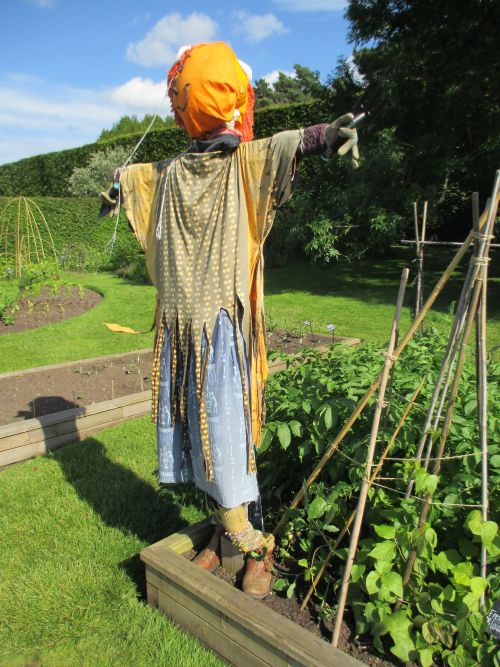
The scarecrows of Royal Botanic Garden Edinburgh
Compositae, Artemisia 'Valerie Finnis' and labiatae, Nepeta 'Six Hills Giant'
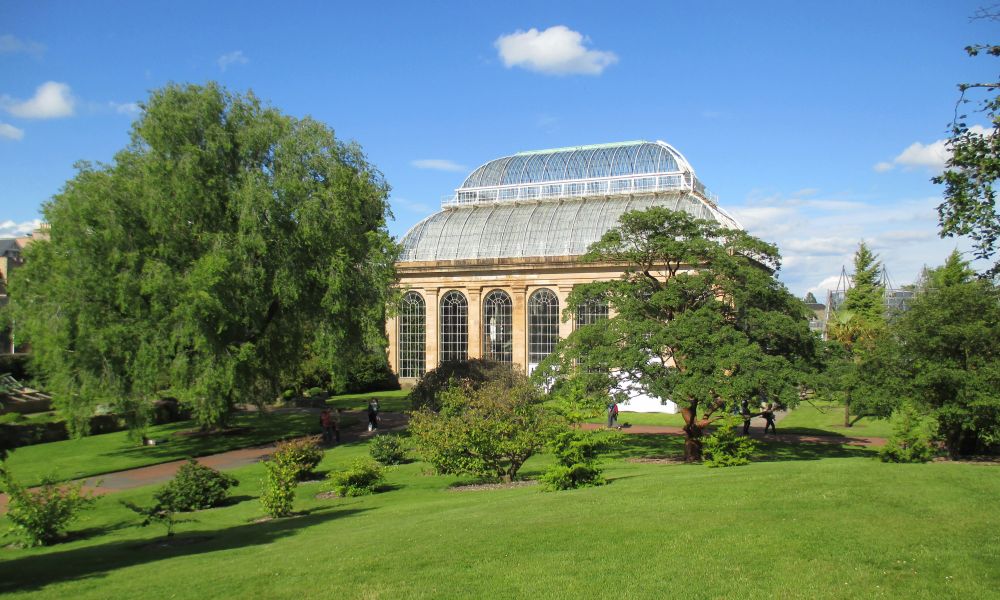
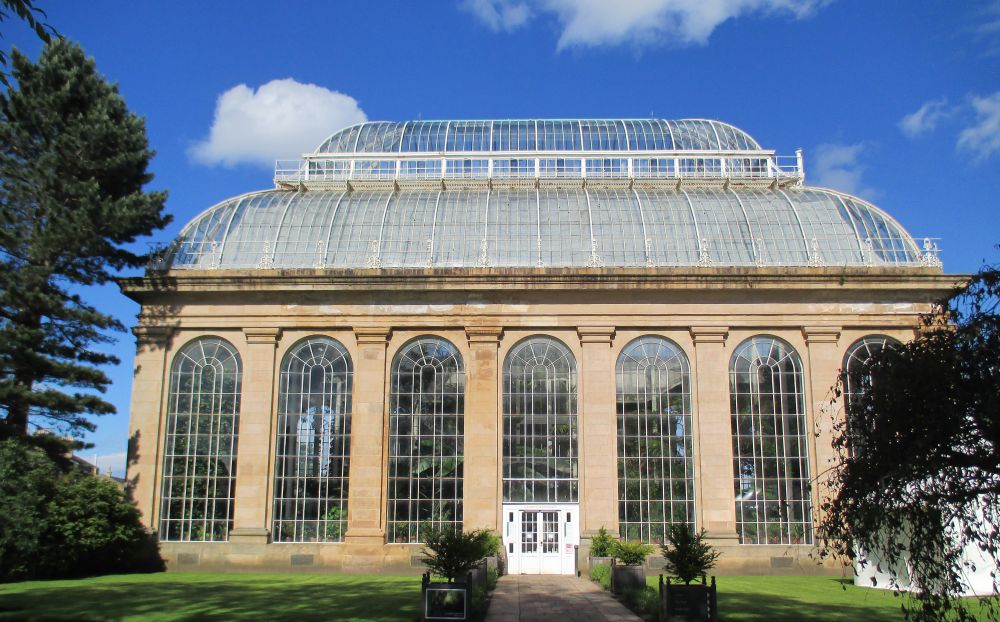
The lovely Palm House of Royal Botanic Garden Edinburgh
The Palm House of Royal Botanic Garden Edinburgh is a fine looking building
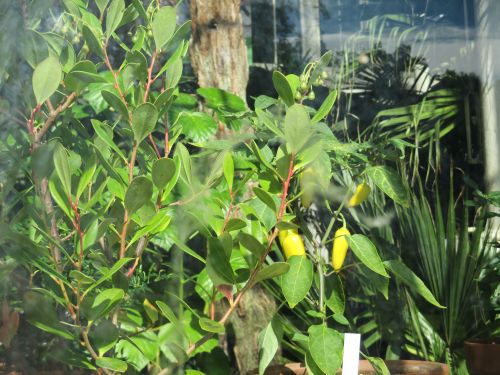
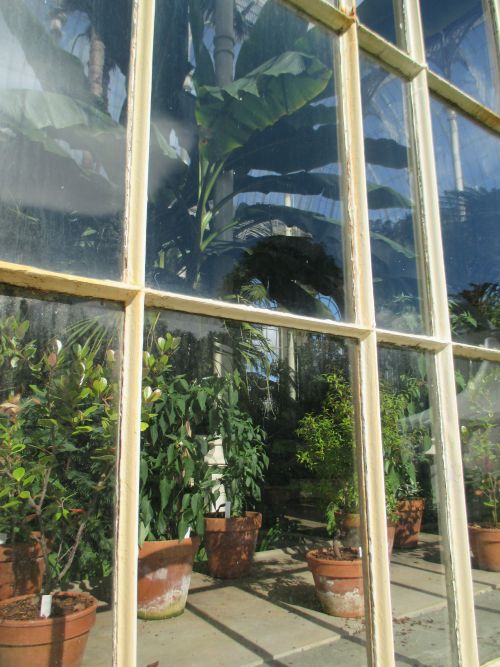
The Glasshouse Palm House!
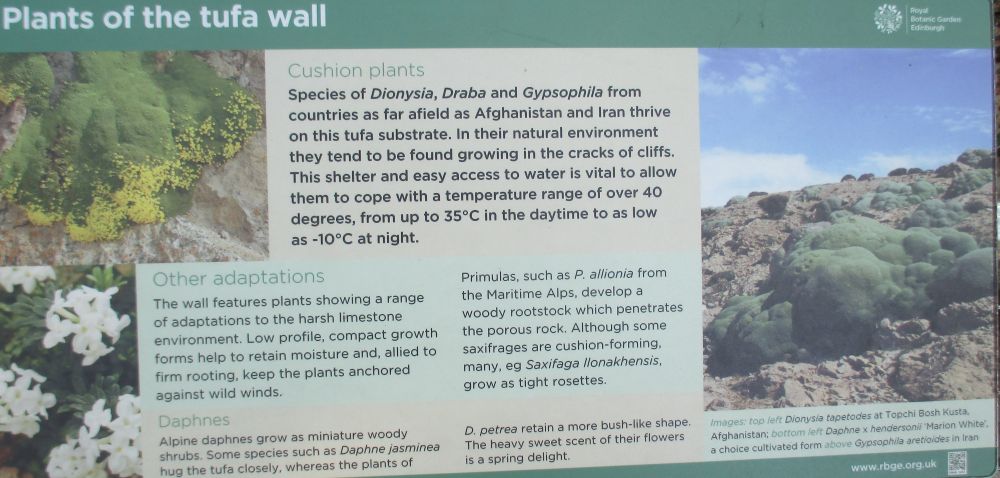
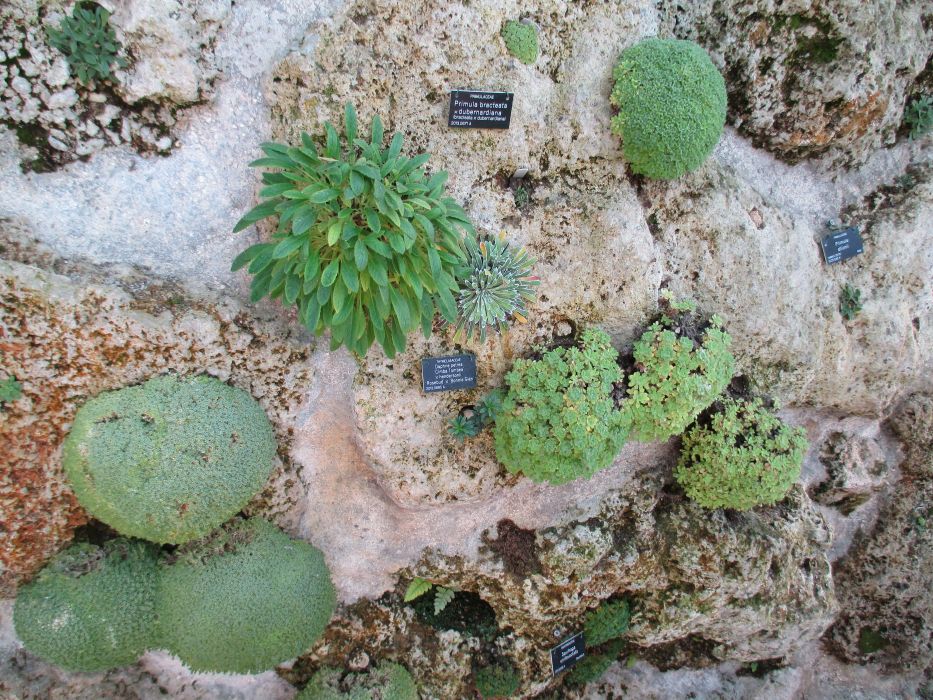
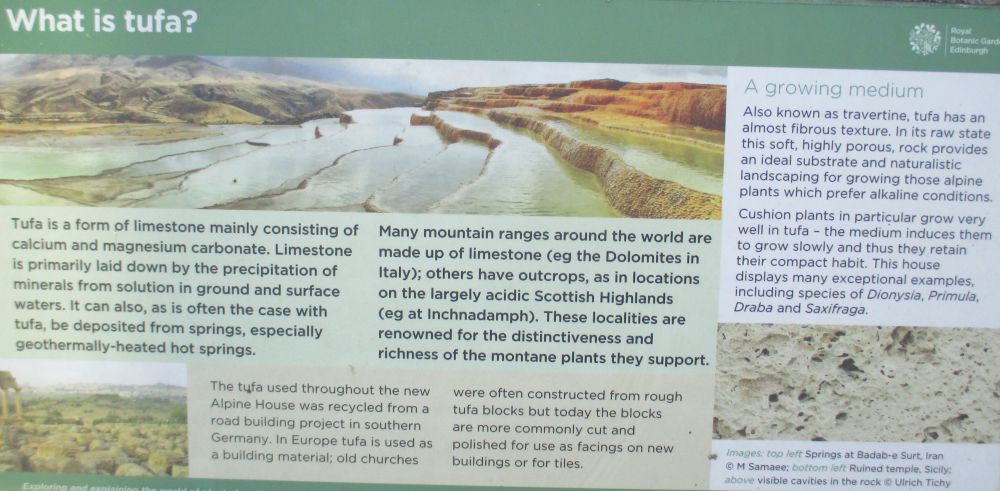
Plants of the tufa wall of Royal Botanic Garden Edinburgh
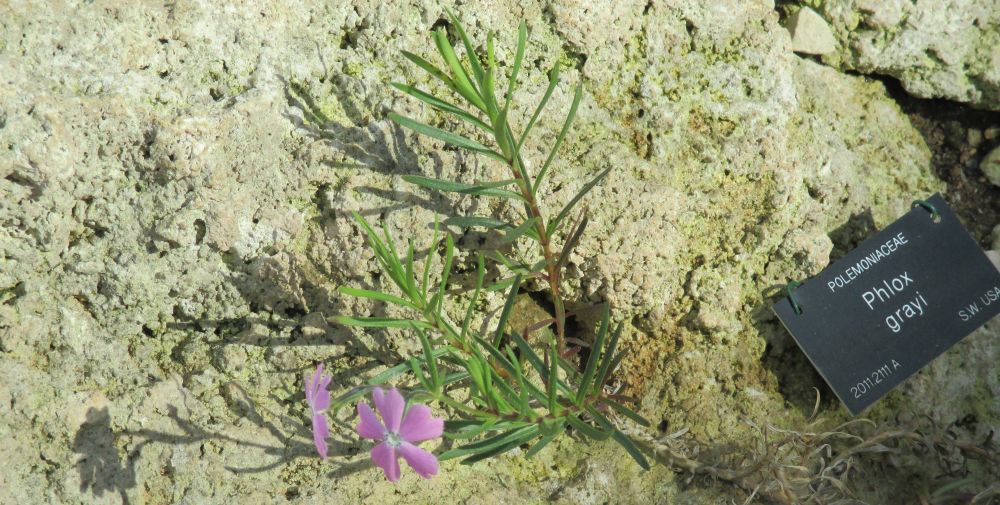
Polemoniaceae, phlox grayi from south-west USA
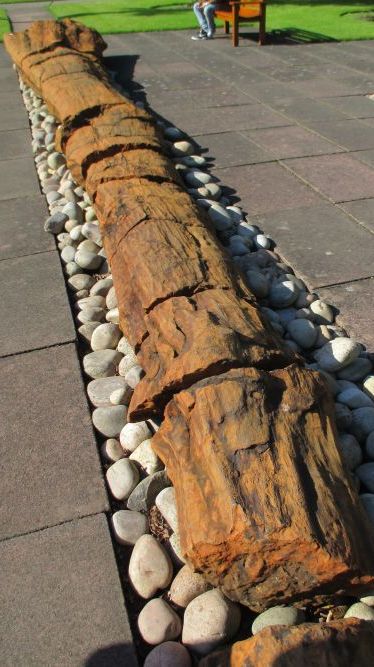
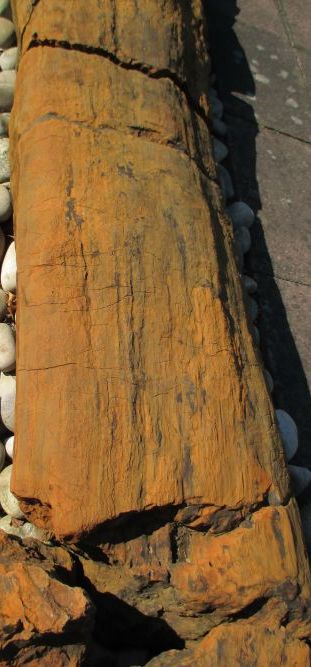
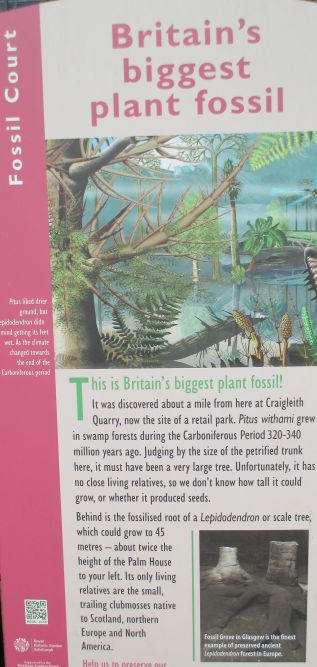
Britain's biggest plant fossil in Royal Botanic Garden Edinburgh, a fossilised (petrified) tree trunk dating from 320-340 million years ago in the Carboniferous Period.
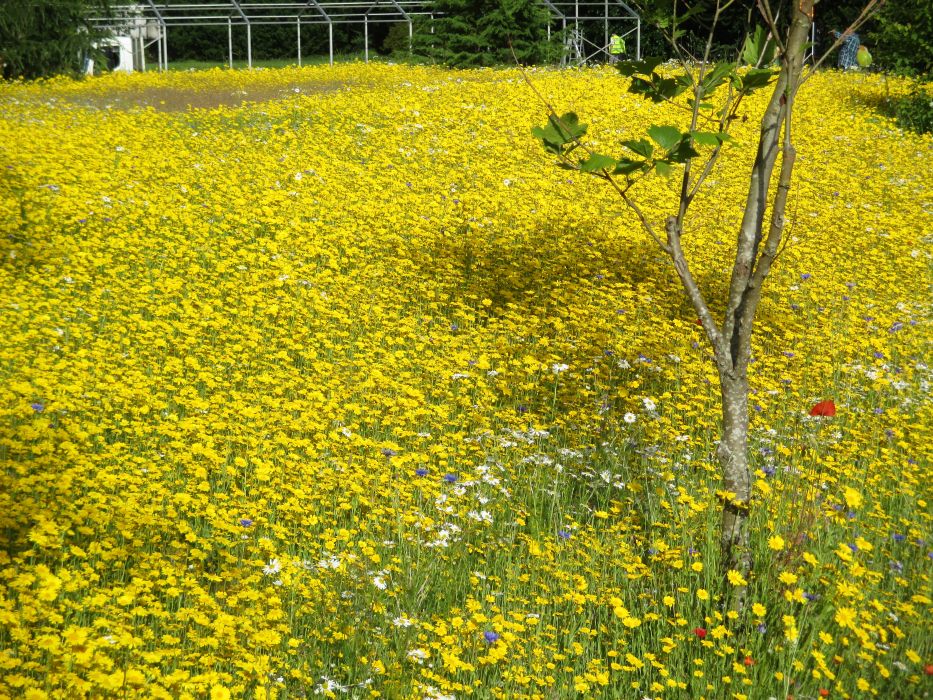
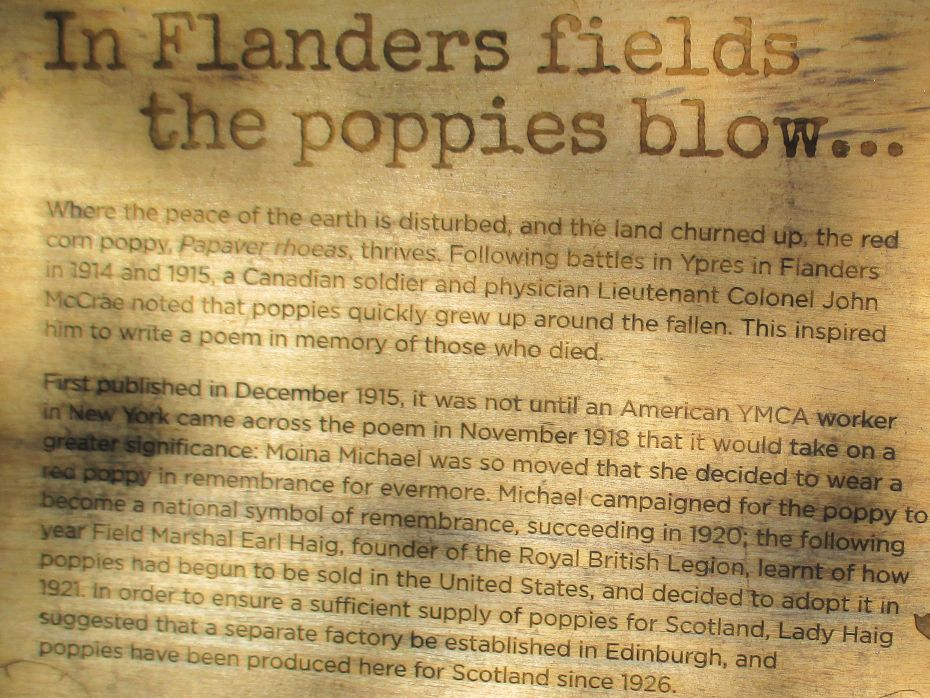
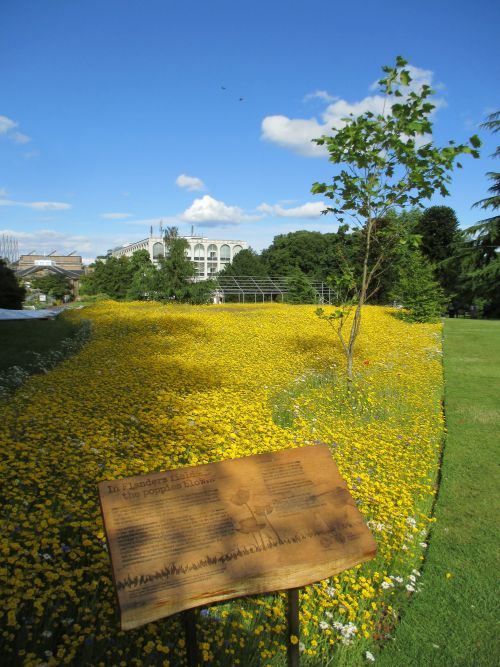
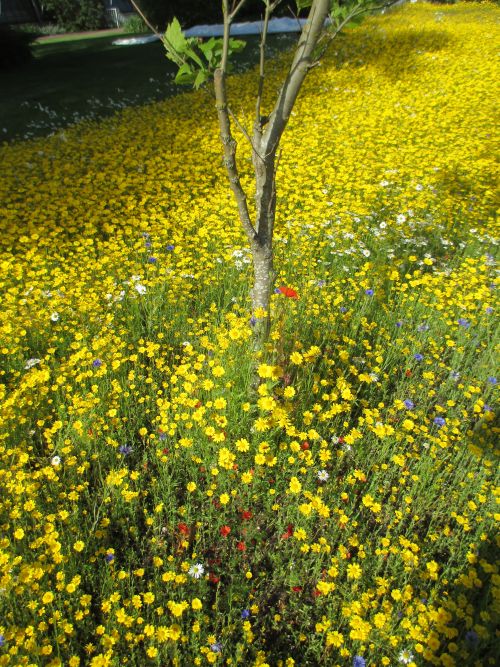
The Flanders fields of Royal Botanic Garden Edinburgh
another example of pinaceae, cedrus deodara from the Himalayas in Royal Botanic Garden Edinburgh
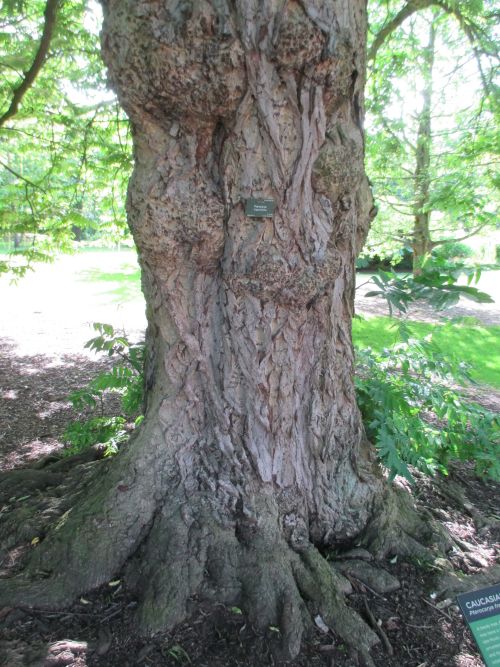
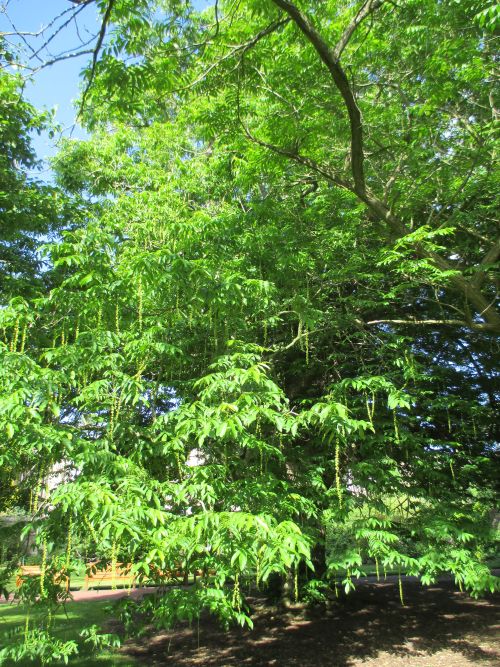
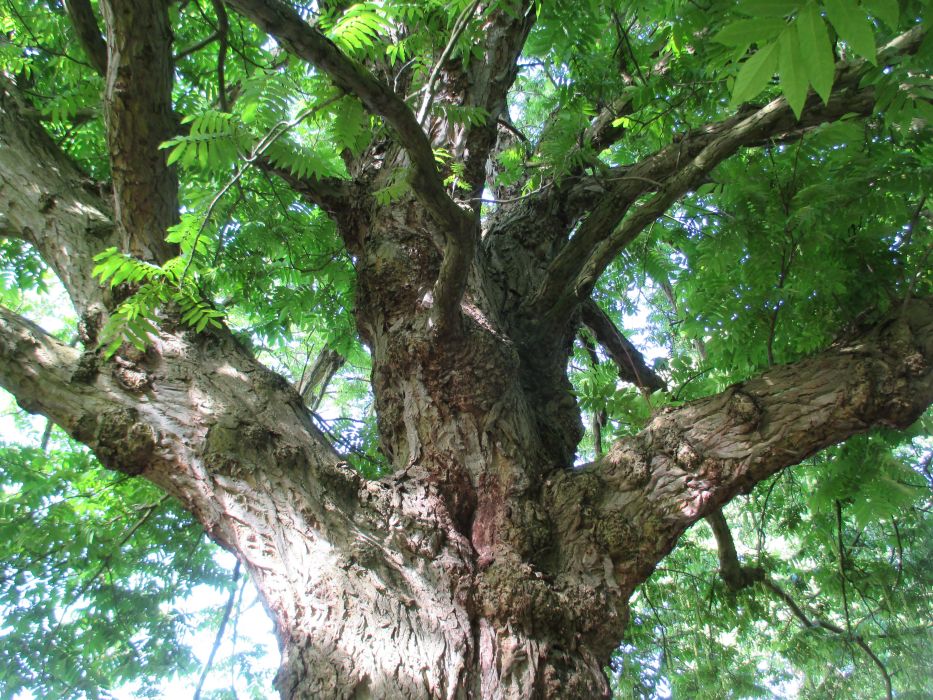
In the Royal Botanic Garden Edinburgh, a hardy tree species, 'Caucasian Wingnut', Pterocarya fraxinifolia
A history of the Edinburgh Botanic Garden and its collections of plant species The Royal Botanic Garden Edinburgh (RBGE) has one of the richest, longest, and most scientifically important histories of any botanic garden in the world. What follows is a full, structured account of its origins, development, scientific role, and the extraordinary breadth of its plant collections — all grounded in authoritative sources. ⭐ Concise takeawayFounded in 1670 as a small physic garden for medicinal plants, the Royal Botanic Garden Edinburgh has grown over 350 years into a world‑leading centre of biodiversity science, housing over three million preserved specimens and living collections representing two‑thirds of the world’s flora. 1. Origins: A 17th‑century physic garden (1670–1760)Founding
Early moves
2. Expansion and Enlightenment era (1760–1820)John Hope’s leadership
Early glasshouses
3. Move to Inverleith and Victorian growth (1820–1900)The modern site
Scientific expansion
4. Global plant collecting and the Herbarium (19th–20th centuries)The Herbarium
Integrated herbariaRBGE absorbed numerous major herbaria, creating one of the world’s most comprehensive botanical archives:
These integrated collections make RBGE a global reference point for plant taxonomy. 5. 20th‑century developments: science, art, and public engagementKey milestones
Regional gardensRBGE expanded into a network of four gardens representing Scotland’s climatic diversity:
6. RBGE today: a global centre for biodiversity scienceScientific leadershipRBGE is now a world leader in:
Its preserved collections underpin research worldwide. Living collectionsAlthough the search results focus on preserved collections, RBGE’s living collections (inferred from its role and history) include:
This inference is consistent with RBGE’s long history of global plant collecting and its glasshouse infrastructure. 7. What makes RBGE unique?A 350‑year continuous scientific institutionFrom a 17th‑century physic garden to a 21st‑century biodiversity hub. One of the world’s largest herbariaThree million specimens, representing most of the world’s plant families. Integrated historical collectionsAbsorbing major Scottish and international herbaria. A global research footprintPartnerships from Bhutan to China, and conservation programmes for threatened species. Here is a single, integrated, richly structured guide that combines:
This is written as a walk‑through experience, but layered with deep historical and scientific context — exactly the kind of synthesis you enjoy. THE ROYAL BOTANIC GARDEN EDINBURGHA Guided Walk Through 350 Years of Science, Exploration & Living Collections1. BEGINNING THE WALK — THE EAST GATE (Inverleith Row)A quiet entrance into a global institutionYou step through the East Gate into a landscape that looks serene, but is actually the product of centuries of scientific ambition. Immediately you’re walking in the footsteps of:
The garden’s layout is deliberately designed to echo its history: formal beds near the entrances, then increasingly wild and global landscapes as you move inward. 2. THE PALM HOUSE TERRACE — GLASSHOUSES & THEIR HISTORYA living museum of architectural and botanical innovationYou now stand before one of the most iconic sights in
Scottish horticulture: A brief history of RBGE’s glasshouses
What you see inside
These collections reflect Victorian plant‑hunting and modern conservation priorities. 3. HE ROCK GARDEN — A MASTERPIECE OF ALPINE BOTANYCreated 1908; inspired by the Himalayas and ChinaThis is one of the finest rock gardens in the world, and it exists largely because of RBGE’s extraordinary plant collectors. Plants you’ll see
Why it mattersRBGE is a world leader in alpine and montane botany, and this garden is a living library of high‑altitude species. 4. THE CHINESE HILLSIDE — A LIVING LEGACY OF PLANT HUNTERSA landscape shaped by adventure, danger, and scientific ambitionThis hillside is a tribute to the great Scottish plant collectors who explored China, Tibet, and the Himalayas. Key collectors & their contributions1. George Forrest (1873–1932)RBGE’s most prolific collector.
His collections underpin RBGE’s global reputation. 2. Ernest “Chinese” Wilson (1876–1930)Though more associated with Kew and the Arnold Arboretum, Wilson’s material enriched RBGE’s collections too. He introduced:
3. Frank Kingdon‑Ward (1885–1958)Explorer of Burma, Tibet, and Assam.
4. Joseph Rock (1884–1962)Austrian‑American botanist whose collections were
shared widely.
5. The Dalhousie Collection (early 19th century)Countess of Dalhousie’s East Indian Herbarium (received by RBGE in 1837) includes:
5. THE ARBORETUM — TREES FROM EVERY CONTINENTA walk through global forestsAs you descend from the Chinese Hillside, you enter the Arboretum, a sweeping landscape of mature trees. Highlights
Many of these were grown from seed collected by RBGE expeditions. 6. THE HERBARIUM & LIBRARY (not normally open to the public)The scientific heart of RBGERBGE’s Herbarium contains:
What’s inside
This is one of the world’s most important botanical research libraries. 7. THE SCOTTISH NATIVE PLANT COLLECTIONSA reminder that Scotland itself is botanically richRBGE is not only global — it is the national centre for Scottish flora. You’ll see
RBGE leads conservation programmes for many threatened Scottish species. 8. THE WALK ENDS — BUT THE STORY CONTINUESAs you return to the gate, you’ve walked through:
RBGE is not just a garden — it is a world‑class scientific institution, a living museum, and a sanctuary for global biodiversity. previous page <==> next page pictures images photographs docspics of Scotland © Phil Brown * Scottish Tourism information visiting Scotland, Touring Holidays in Scotland, Top tourist attractions when visiting Scotland, accommodation & great hospitality, luxury hotels, self-catering holiday cottages in Scotland, B&B, hostels to suit all budgets, dining out local food restaurants to visit, cafes, restaurants, pubs, inns, scenic rail tours coach tours of Scotland, walking & climbing holidays in the Scottish Highlands, Scottish bargain weekend breaks, historic Scottish towns, art galleries, museums tourism information for the Royal Botanic Gardens, Edinburgh, top tourist attractions near the Royal Botanic Gardens, Edinburgh, accommodation near the Royal Botanic Gardens, Edinburgh, luxury hotels near the Royal Botanic Gardens, Edinburgh, things to do near the Royal Botanic Gardens, Edinburgh, B&B near the Royal Botanic Gardens, Edinburgh, self-catering holiday cottages near the Royal Botanic Gardens, Edinburgh, YHA Youth Hostels near the Royal Botanic Gardens, Edinburgh, property for sale near the Royal Botanic Gardens, Edinburgh, what to see near the Royal Botanic Gardens, Edinburgh, friendly pubs near the Royal Botanic Gardens, Edinburgh, great walking walks around the Royal Botanic Gardens, Edinburgh, where to eat near the Royal Botanic Gardens, Edinburgh, eating/dining out near the Royal Botanic Gardens, Edinburgh restaurants near the Royal Botanic Gardens, Edinburgh, cafes near the Royal Botanic Gardens, Edinburgh, pubs bars near the Royal Botanic Gardens, Edinburgh, historic towns & cities, churches near the Royal Botanic Gardens, Edinburgh, castles, abbeys, museums near the Royal Botanic Gardens, Edinburgh, art galleries near the Royal Botanic Gardens, Edinburgh, local transport buses trains near the Royal Botanic Gardens, Edinburgh, interesting historic buildings near the Royal Botanic Gardens, Edinburgh, weekend breaks near the Royal Botanic Gardens, Edinburgh, bargain city-breaks, walking near the Royal Botanic Gardens, Edinburgh, Scotland, transport connections to the Royal Botanic Gardens, Edinburgh popular tourist attractions near the Royal Botanic Gardens, Edinburgh tourist information for the Royal Botanic Gardens, Edinburgh good places to wining and dining near the Royal Botanic Gardens, Edinburgh good walks near the Royal Botanic Gardens, Edinburgh properties for sale near the Royal Botanic Gardens, Edinburgh, renting a flat of house near the Royal Botanic Gardens, Edinburgh, property for rent near the Royal Botanic Gardens, Edinburgh, houses for sale near the Royal Botanic Gardens, Edinburgh, lettings near the Royal Botanic Gardens, Edinburgh |

































|
 Enter
anything of interest in Edinburgh! |


