|
4. The Town of Kings Lynn, West Norfolk
Pictures
and Notes on Eastern England and East Anglia [Author & photographer
Email: chem55555@hotmail.com A brief history of the town of Kings Lynn
and lots of pictures below with an introduction
index of 22 features!
Pictures of scenes and buildings around Kings Lynn
September 2011: King's Lynn, on the east bank of the Great Ouse flowing out into the Wash, was once one of England's most important ports from the 12th century onwards. There are many sights, from buildings like old merchant's houses, cobbled lanes and narrow streets, harbour and River Great Ouse to remind you of its maritime past. There are lots of wonderful buildings to inspect in Kings Lynn and its rich heritage. The port may not be what it was, but it is a major market town and shopping centre for the surrounding countryside, and from both sides of the Great Ouse and amongst the shops there are many cafes, restaurants and pubs-bars-inns of character - both in terms of architecture and 'inhabitants'! King's Lynn was an important Hanseatic League town (e.g. like York) enabling the town to prosper by trading with other important port towns of northern Europe and even today it is a member of 'The Hanse', a contemporary association based on the old Hanseatic League of Traders. The index of sections is based on the excellent guide 'Discover Kings Lynn' - a pedestrian welcome guide to Kings Lynn. It was easy to follow and with plenty of information to take in on the walk. Not all the places photographed were open on the day of my visit, but the most of the tourist attractions were available to view and I hope my photographs do King's Lynn and its friendly people, full justice. My Kings Lynn Index is given below or just scroll down to see what Kings Lynn has to offer the tourist - a great deal indeed amongst its many interesting locations e.g. the historic streets and the riverfront quays on the Great Ouse. King's Lynn Festival held every July provides a great programme of music, lectures, exhibitions and displays of the visual arts The sections vary in length and each is illustrated with numerous images, and a few extra features have been added which were not necessarily mentioned in the tourist leaflet. 1. St Margaret's Church
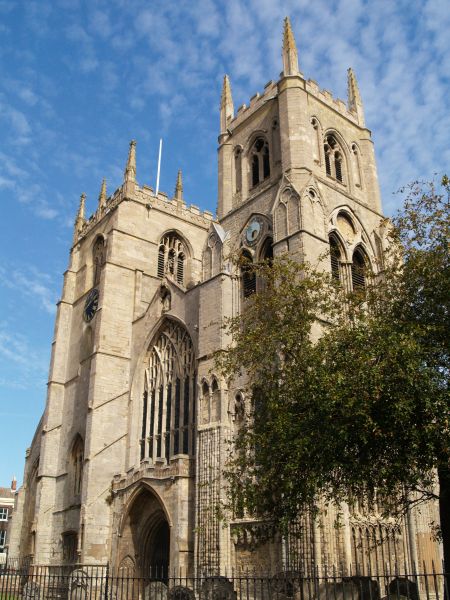
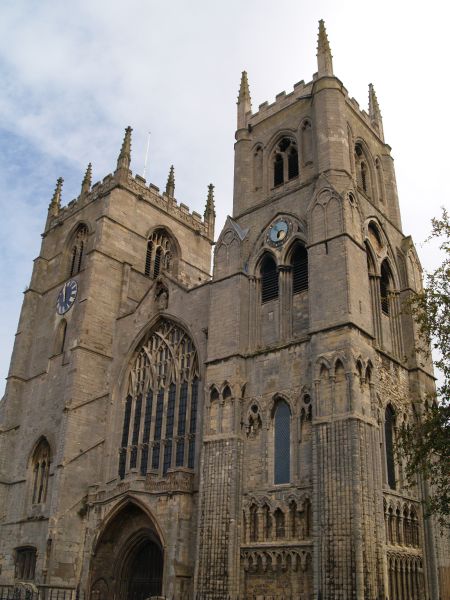
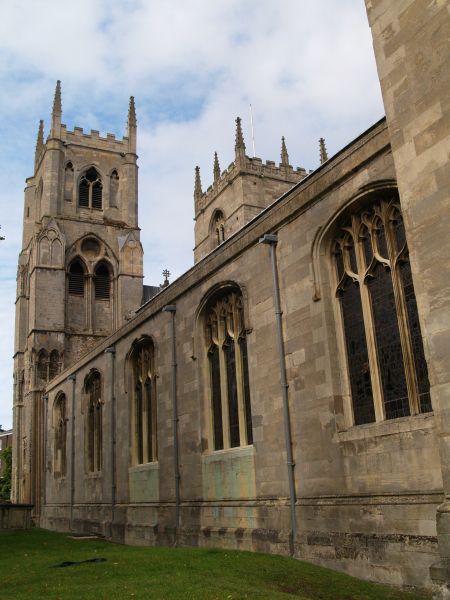
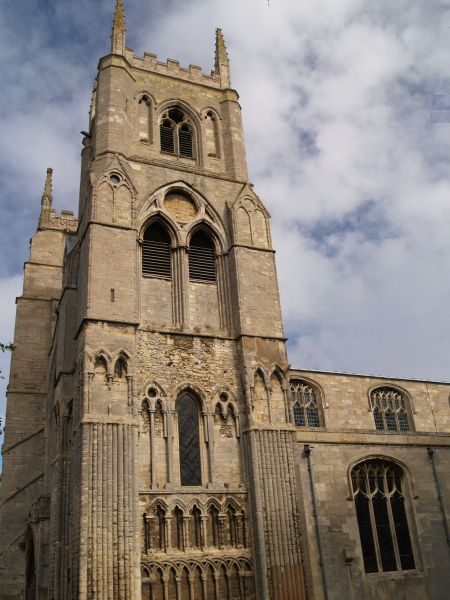
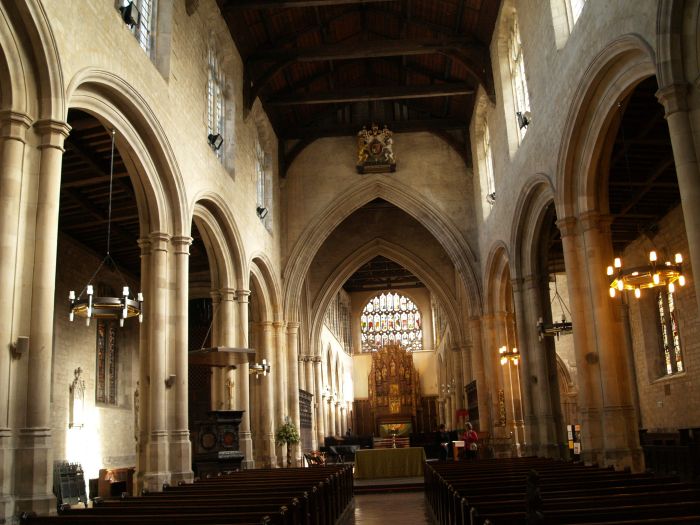
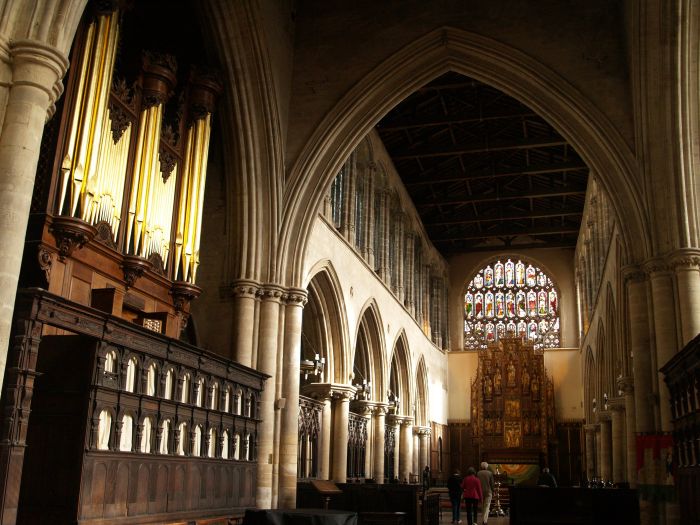
The 12th century St Margaret's Church dominates the scene of the Saturday Market Place which is a most interesting architectural area in the centre of King's Lynn, with many fine buildings. St Margarets' is one of largest town parish churches in the county of Norfolk, was founded in 1101.
The view of the twin west towers from St Margaret's Place. The church was partially rebuilt in 1741 after the spire collapsed onto the nave in a great storm and also been subject to flood damage from the Great Ouse.
St Margaret's Church, Kings Lynn:
St Margaret's Church, Kings Lynn:
St Margaret's Church, Kings Lynn:
St Margaret's Church, Kings Lynn:
St Margaret's Church, Kings Lynn:
St Margaret's Church, Kings Lynn:
St Margaret's Church, Kings Lynn:
St Margaret's Church, Kings Lynn:
St Margaret's Church, Kings Lynn:
St Margaret's Church, Kings Lynn:
St Margaret's Church, Kings Lynn:
St Margaret's Church, Kings Lynn:
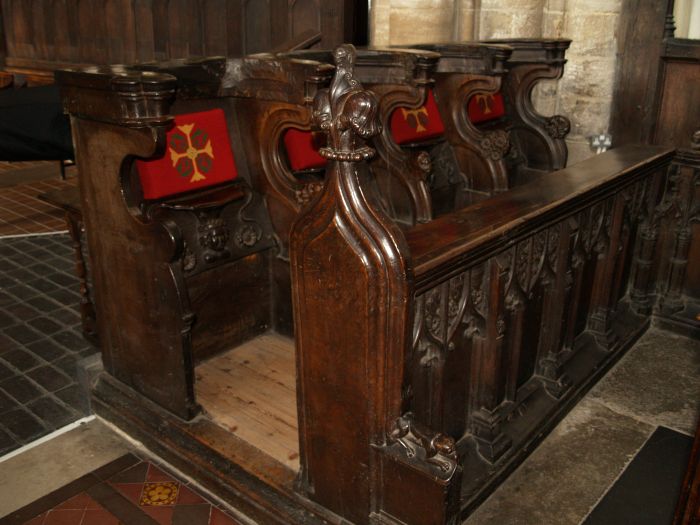
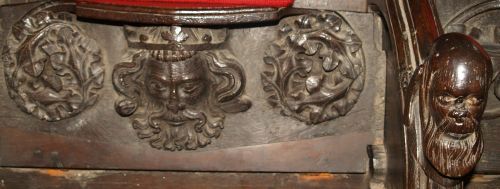
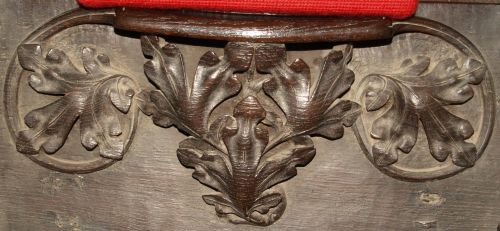
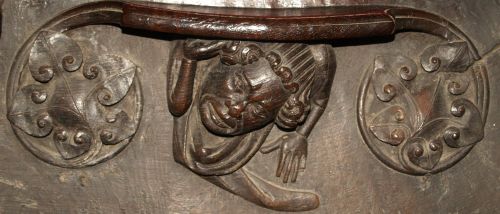
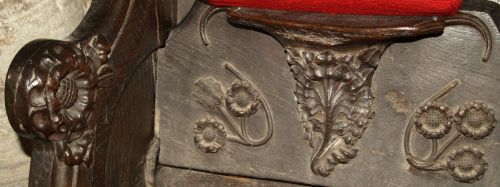
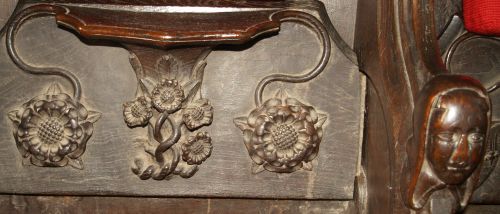
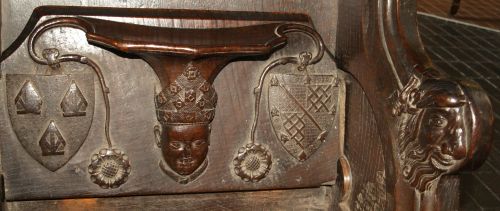
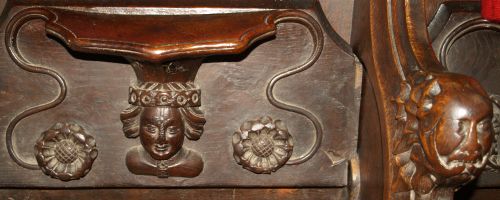
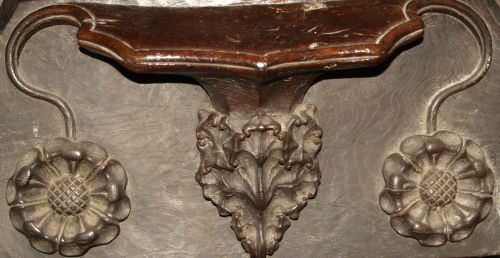
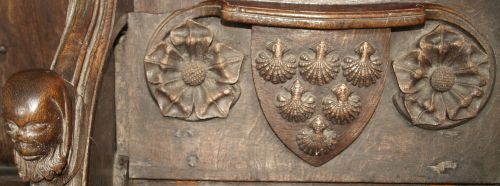
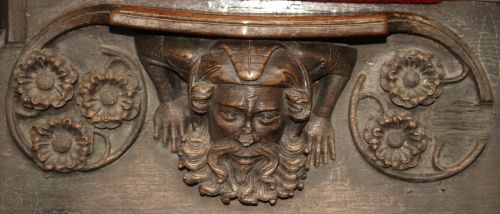
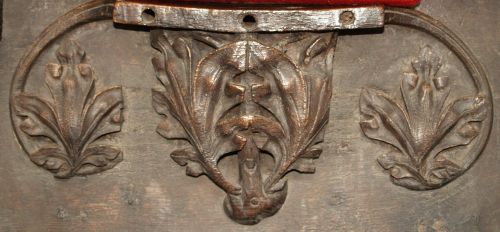
The misericords of St Margaret's Church
St Margaret's Church, Kings Lynn:
St Margaret's Church, Kings Lynn:
2. The Old Gaol House
The old Town Gaol House, on Saturday Market Place, built in 1784, still has its original cells and houses the Civic Regalia and home to the King's Lynn Archive. 3. The Town Hall
Part of the Town Hall building complex in King's Lynn.
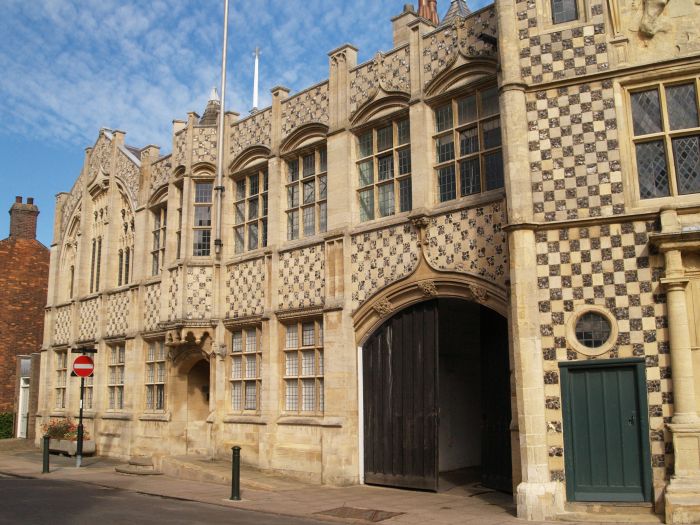
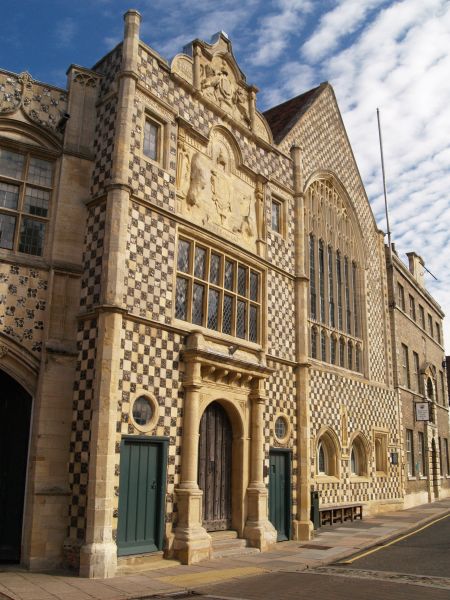
The Jacobean Porch entrance to the Trinity Guildhall which dates back to the 1420s and is the centrepiece of the Town hall complex.
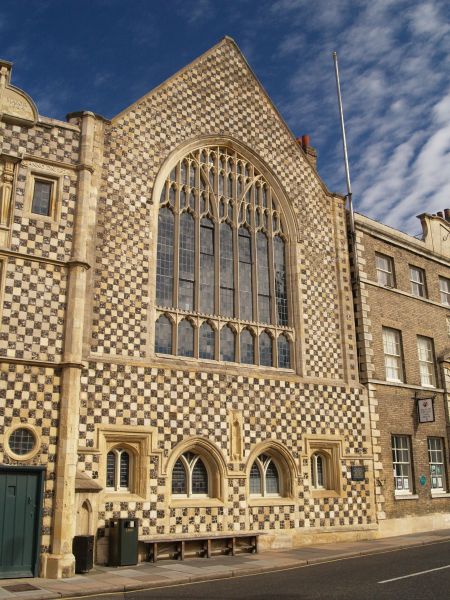
There are some impressive windows surrounded by the distinctive flint chequer board patterned flint.
The Town Hall complex including the Trinity Guildhall, Jacobean Porch, Victorian Council Chamber and the old Gaol House on the right.
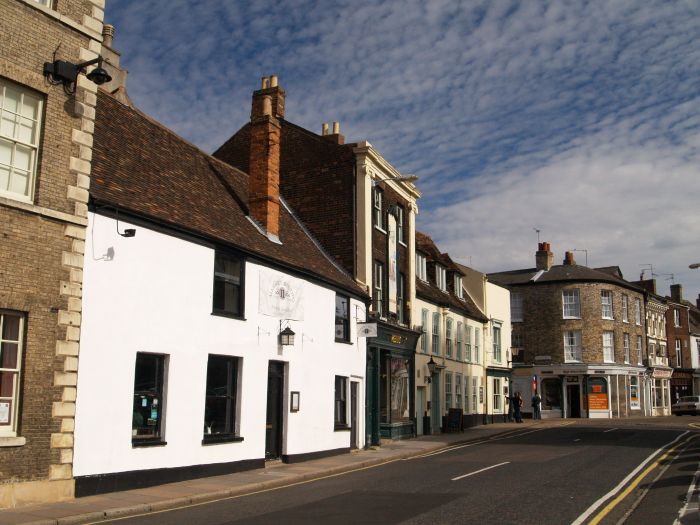
Looking up the street of the Saturday Market Place, King's Lynn, from near the Gaol House and St Margaret's Church. 4. Thoresby College
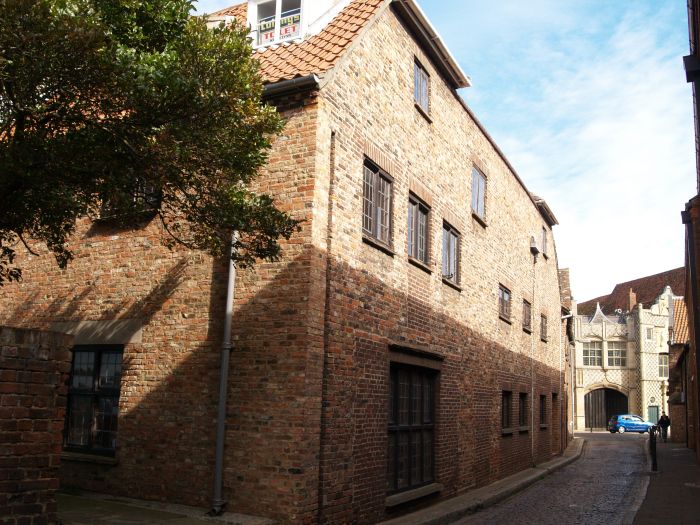
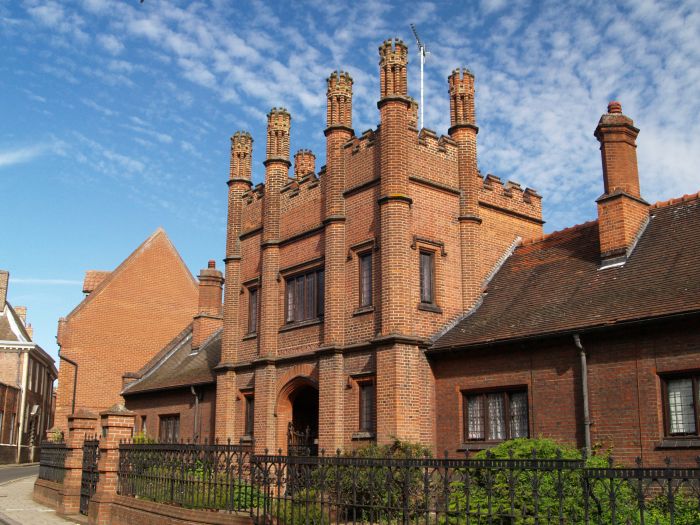
Thoresby College, King's Lynn, is a fine brick built Tudor building - view from College Lane
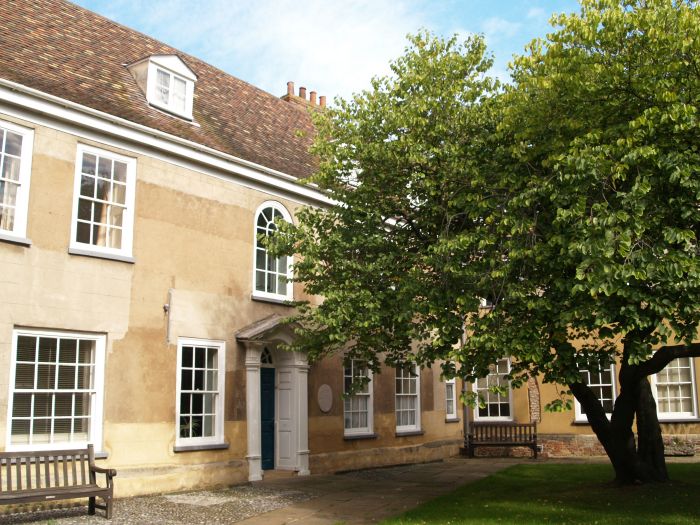
Inside the courtyard of Thorseby College, King's Lynn.
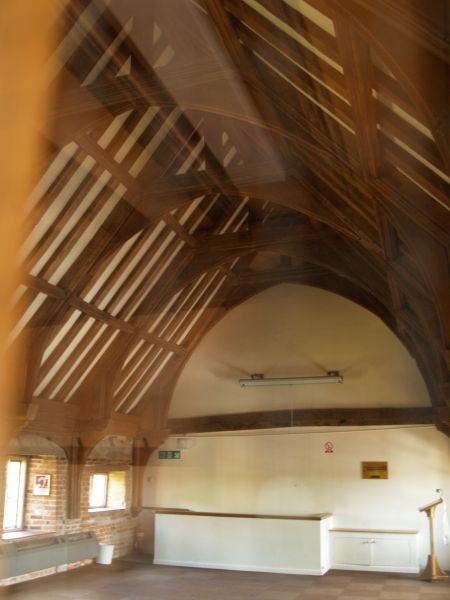
The 'Great Hall' in Thorseby College with the great oak beams supporting the roof.
The brick facade of Thoresby College which looks out onto the South Quay and the Great Ouse 5. Greenland Fishery
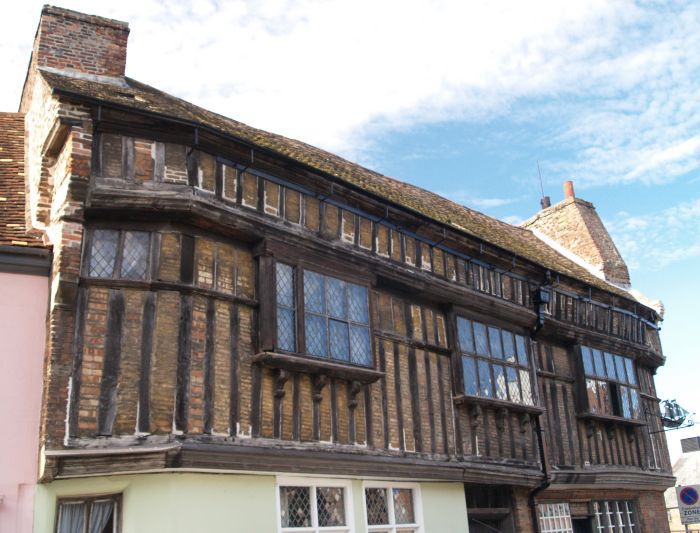
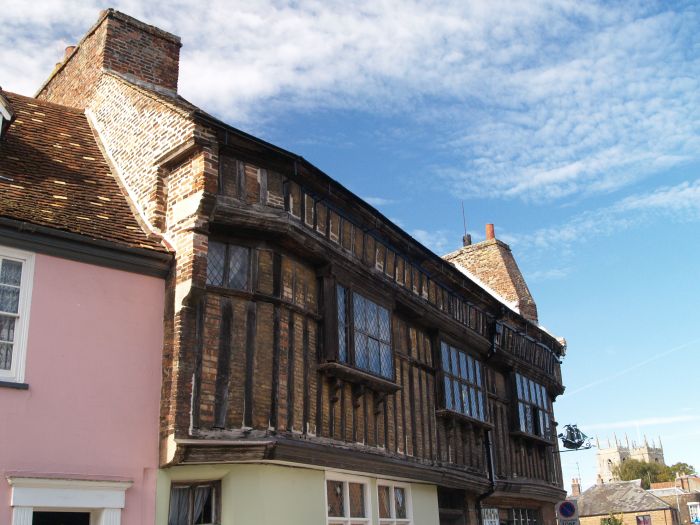
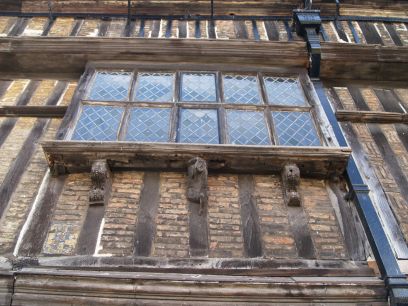
Just off the junction of Boal Street and Stonegate Street is the Greenland Fishery, in King's Lynn, which is an early 17th century merchant's house, built by a local rope merchant - rope was an important component for the working of sailing ships.
Later, in the18th century, it was an inn known as the Greenland Fishery, well frequented by King's Lynn's whaling community - another aspect of King's Lynn maritime history and heritage.
6. Hampton Court
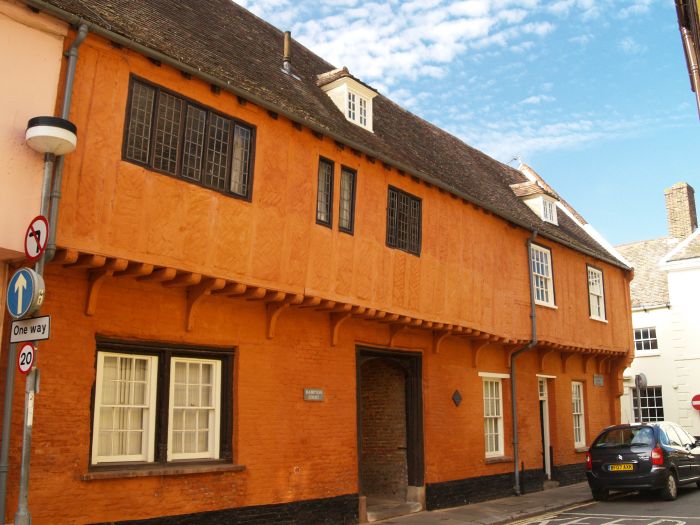
The orange-brown coloured facade of Hampton Court, in King's Lynn, built in the 14th century as a domestic house and warehouse by a wealthy medieval merchant.
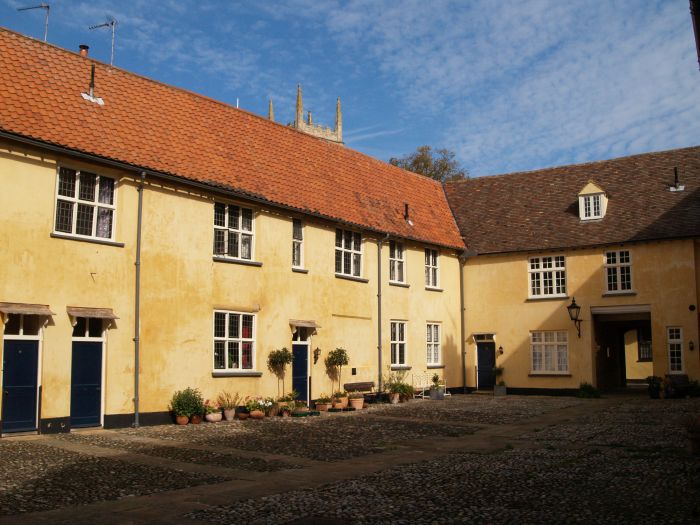
The courtyard of Hampton Court showing the wings added in the 15th and 17th centuries. 7. Hanse House
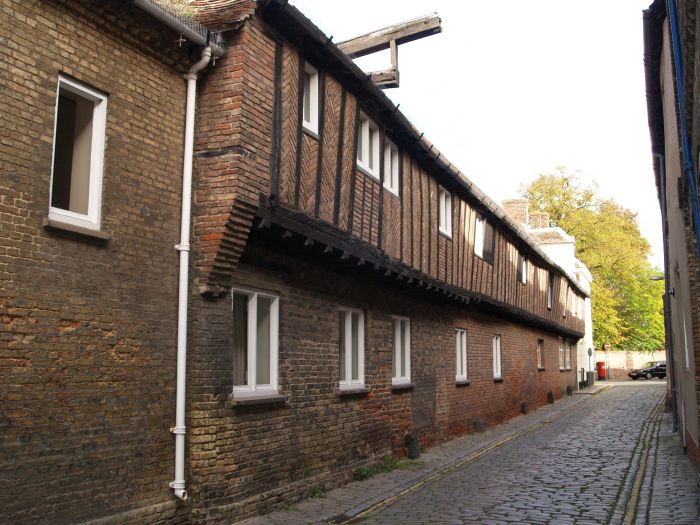
Just across from Hampton Court is Hanse House, in King's Lynn, a brick built Hanseatic Warehouse dating from 1475. The house is built around a narrow court and the large warehouses were owned by Hanseatic League merchants until 1751.
Interesting looking house on the corner of Priory Lane and Nelson Street.
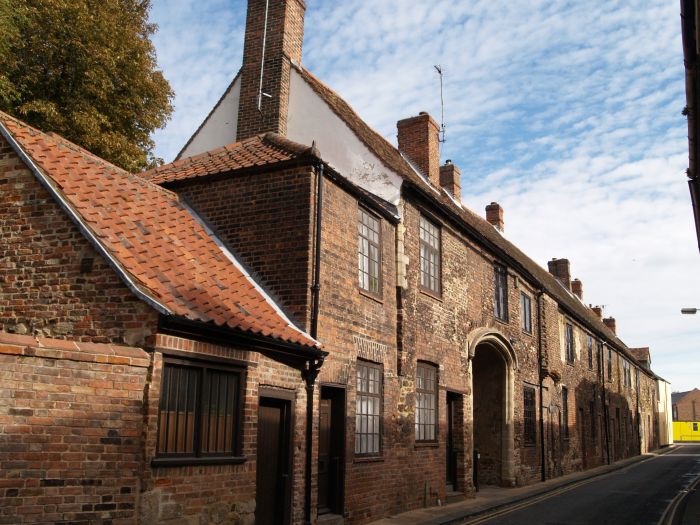
Just across from Hampton Court and Hanse House - looking down Priory Lane, in King's Lynn, the buildings on the left seem to have a medieval origin e.g. the restored doorway arch centre-right. 8. The Green Quay, Marriott's Warehouse and Riverfront
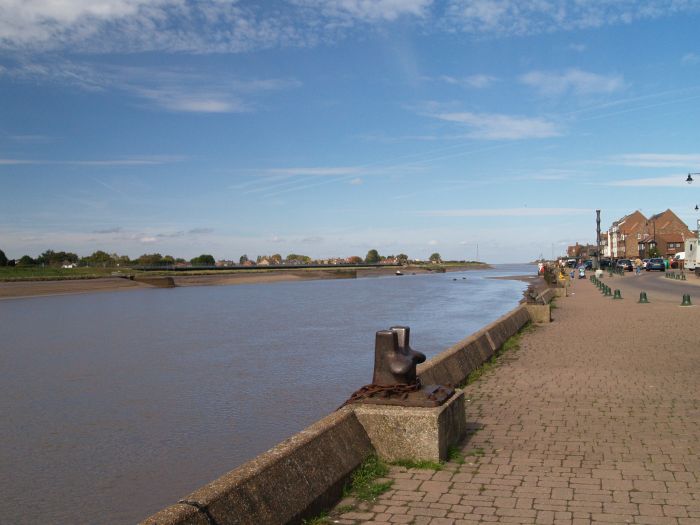
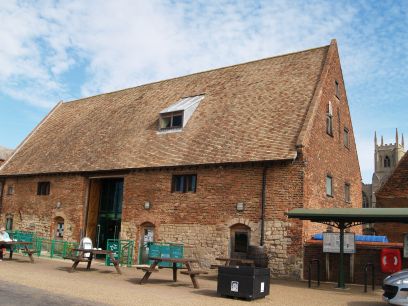
The South Quay on the Great Ouse, in King's Lynn. On the right is the fine looking 16th century brick building on what is known as the 'Green Quay' where Marriott's House houses the Green Quay Exhibition Centre.
The South Quay by the Green Quay.
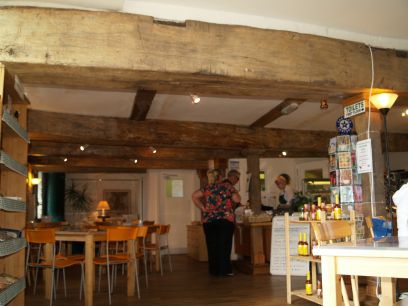
There is also a nice licensed cafe inside the Marriott's House, Green Quay, in King's Lynn, and in fine weather you cans it outside with a fine river view of the Great Ouse. The Green Quay allows you to discover the secrets of the Wash and the Fens, the role of Lynn's Hanseatic links, including colourful and informative exhibitions, bird watching gallery and an indoor pond. There is also a gift shop and conference centre, and all on the scenic banks of the River Great Ouse 9. Clifton House and Tower
An interesting, relatively modern brick building, with Tudor styling? in Queen Street?
Another fine Georgian house on Queen Street, in King's Lynn.
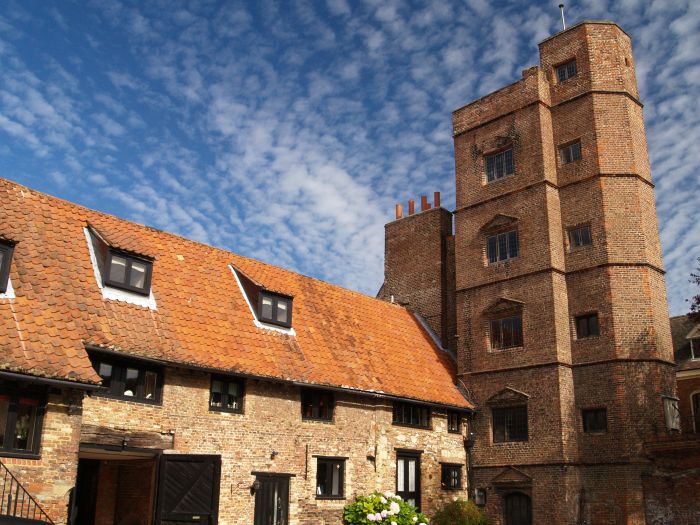
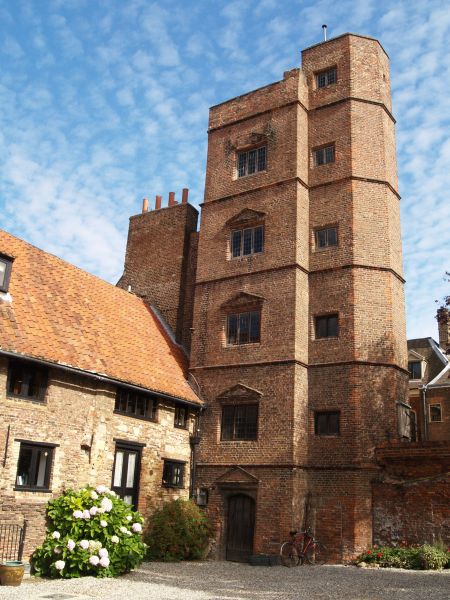
The brick built Clifton House, in King's Lynn, comprises two medieval houses (on the left) combined in a Tudor 'rebuilding' and further remodelled in the 18th century and on the right is an adjoined Elizabethan watch tower of five storeys.
The striking Elizabethan watch tower by Clifton House 10. The Custom House and Vancouver Quarter
The houses on King's Staithes Square, in King's Lynn, with the Custom House on the left.
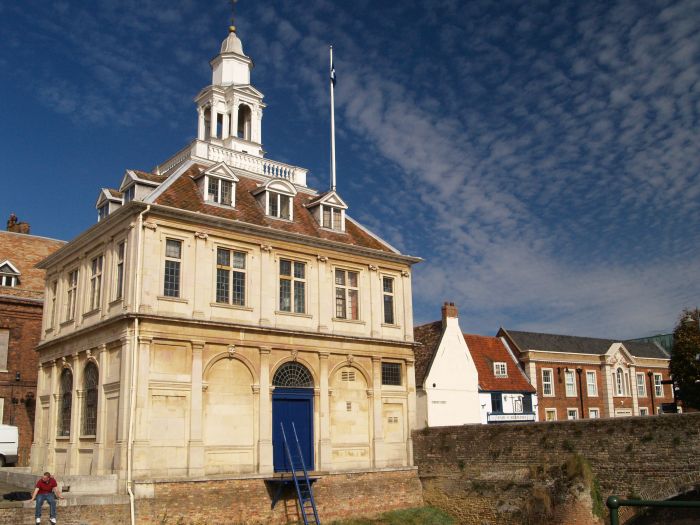
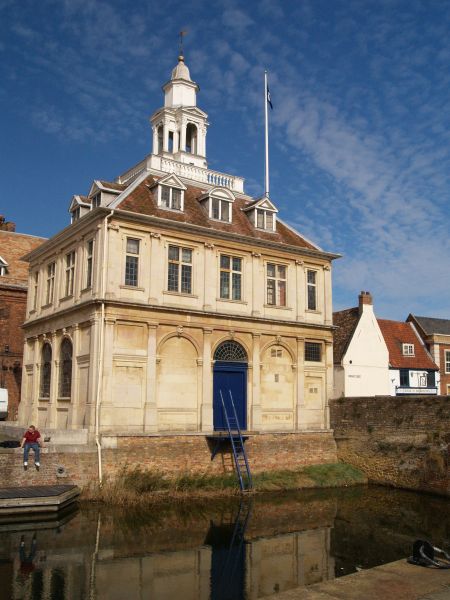
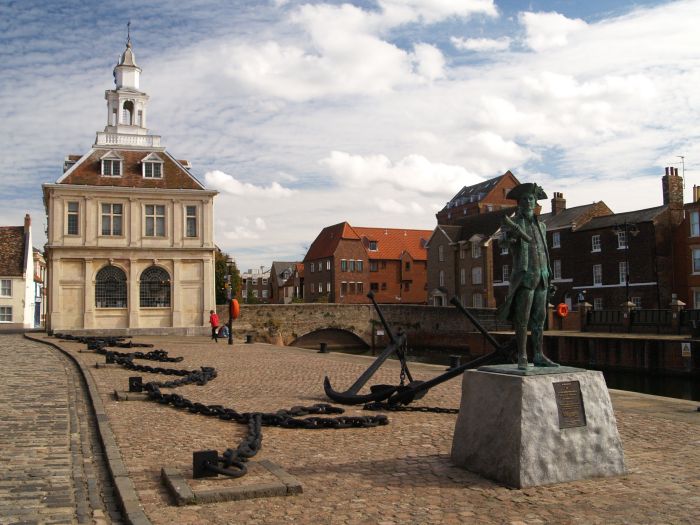
The Custom House, a fine looking building designed by Henry Bell and built in 1683. In 1685 it opened as merchant's exchange and used as the town's custom house from the early 1700s.
The Custom House overlooks the site of the original medieval harbour in the heart of historic King's Lynn. The elegant rooms house interesting displays on Lynn's merchants, customs men, smugglers and the story of Lynn's trading history, particularly the history of its trade as a member of the Hanseatic League, not forgetting famous mariners such as Lord Nelson and the sailor, explorer-discoverer Vancouver.
On the Purfleet Quay, in King's Lynn, is the modern statue of the explorer Captain George Vancouver.
Purfleet Quay, commemorative statue explorer Captain George Vancouver in the foreground and the Custom House in the background.
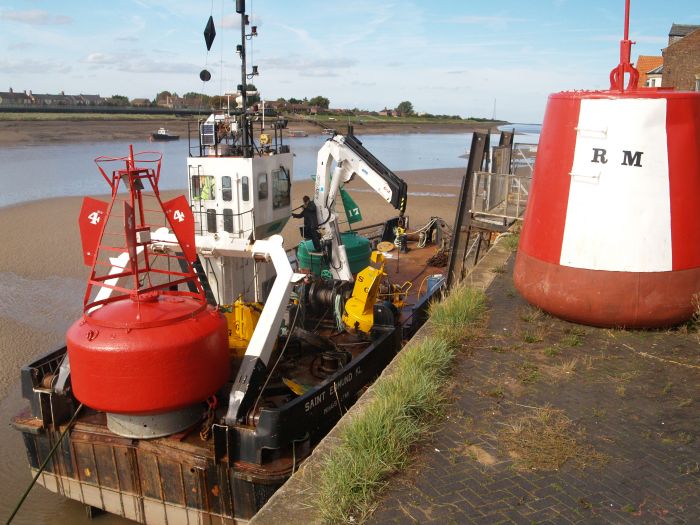
At the north end of South Quay they are servicing and cleaning the buoys used in the estuary of the Great Ouse. 11. King Street, St George's Hall & Kings Lynn Art Centre
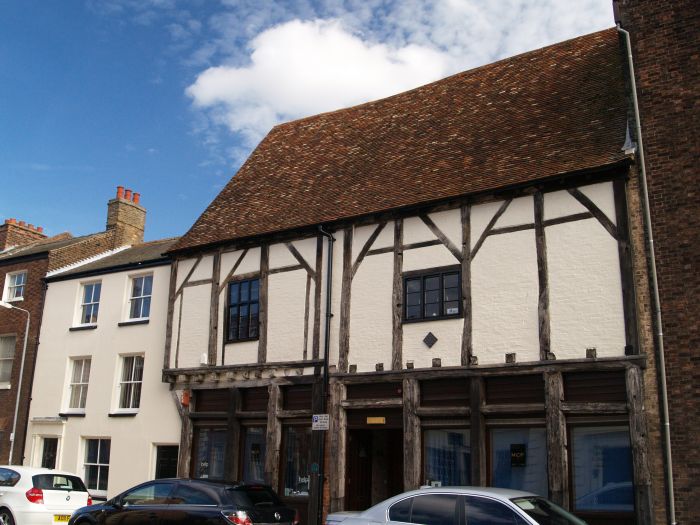
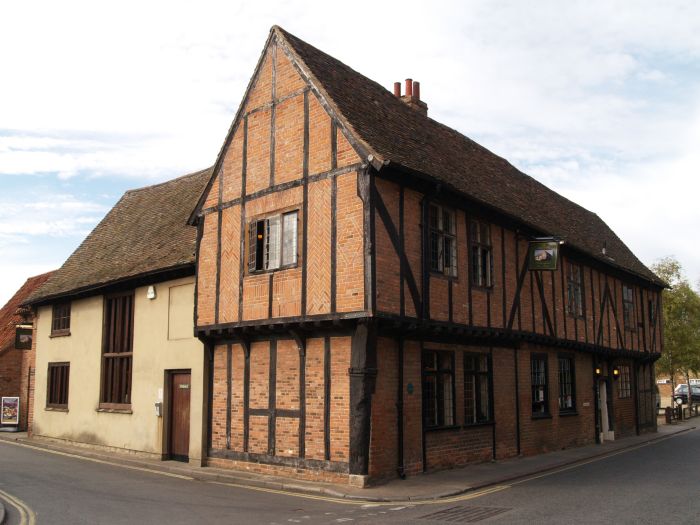
Restored timber-framed medieval House in King Street, King's Lynn.
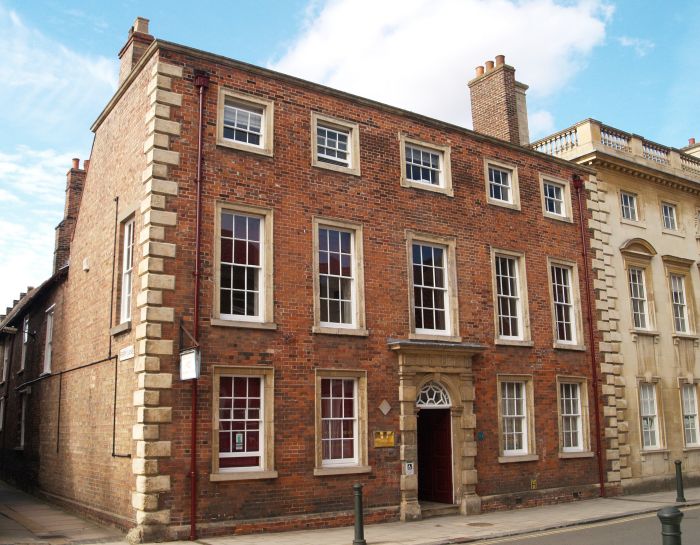
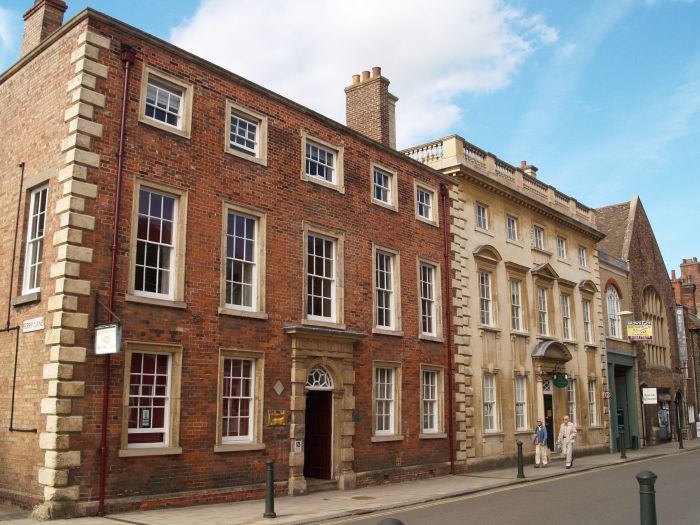
A fine looking Georgian building on King's Street, King's Lynn.
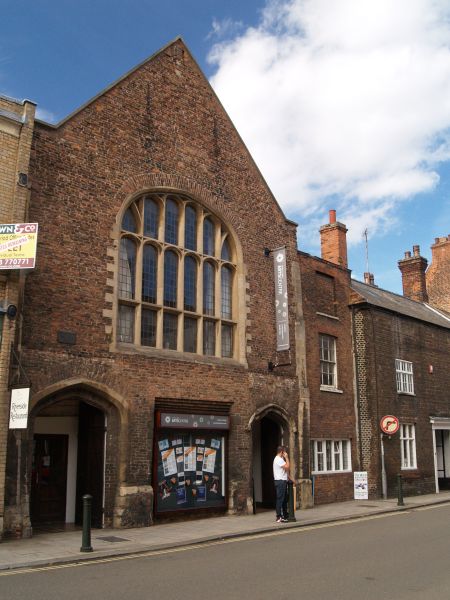
Some of the fine buildings on King's Street, on the right is the entrance to the St George's Hall.
St George's Hall, King's Lynn, is the largest surviving 15th century guildhall in England and is home to the King's Lynn Art Centre.
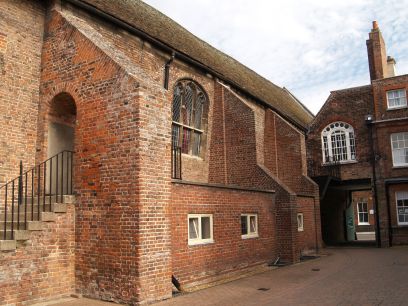
The complex of buildings behind St George's Guildhall including an art gallery. The Arts Centre Galleries are run by the King's Lynn Art Centre Trust and offer exhibitions, events, workshops and projects. 12. The Corn Exchange and Tuesday Market Place
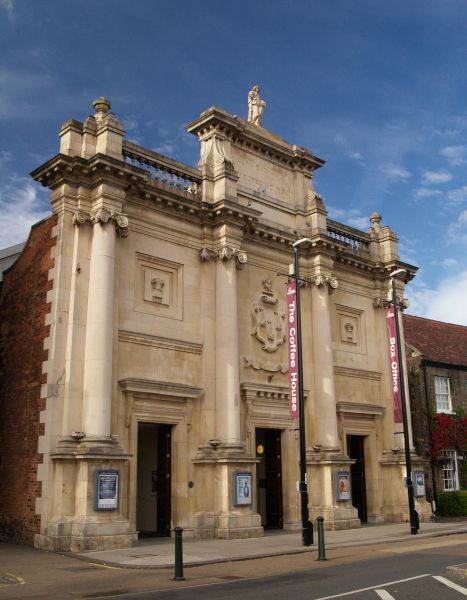
The Corn Exchange, in King's Lynn, with its dramatic classical facade, is a very fine building in the Tuesday Market Square.
The Corn Exchange, built in 1854, was in 1996 converted to a concert hall, complete with box office and coffee house - all institutions must have a cafe these days!
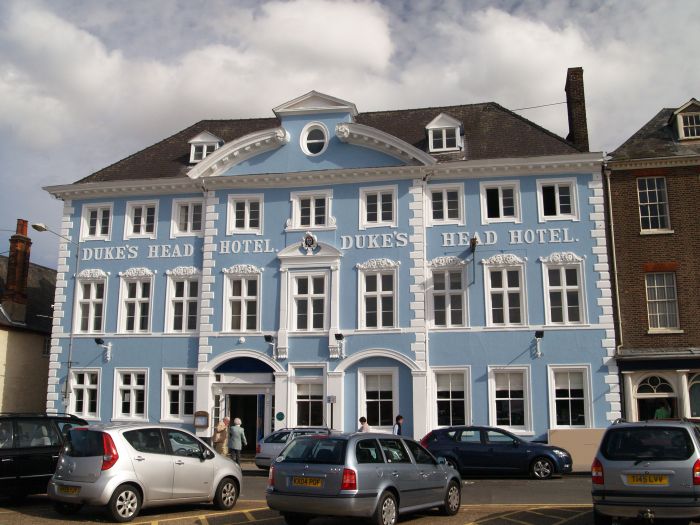
The very attractive building of the Duke's Head Hotel, in King's Lynn, on High Street in Tuesday Market Square.
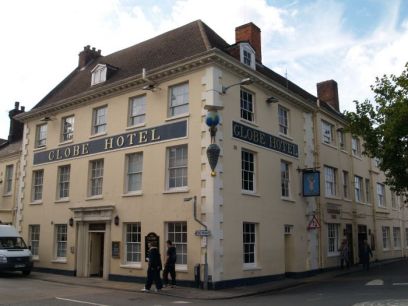
The Globe Hotel in Tuesday Market Square, in King's Lynn.
Ye Olde Moydens Head, in King's Lynn.
13. True's Yard Fisherfolk Museum
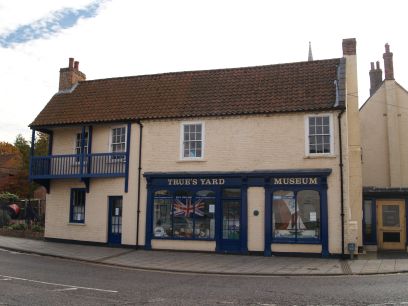
The True's Yard Fisherfolk Museum, King's Lynn, features two beautifully restored Victorian fishermen's cottages. It lies on the corner of St Anne's Street and North Street. True's Yard is last remaining fisherfolk yard containing two cottages built in the 1800s. The realities of the tough life of fishermen and their families is more than amply explored. The museum also has a gift shop and cafe. 14. St Nicholas' Chapel
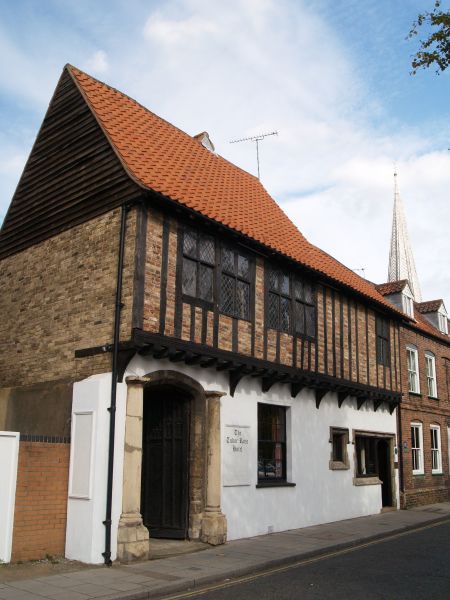
Tudor Rose Hotel in St Nicholas Street with the spire of St Nicholas Chapel in distance. From the reception of the Tudor Rose Hotel or the Trues Yard Museum, you can get a key to St Nicholas' Chapel.
The Tudor Rose Hotel, in King's Lynn, no doubt the name reflects the building's historic origins.
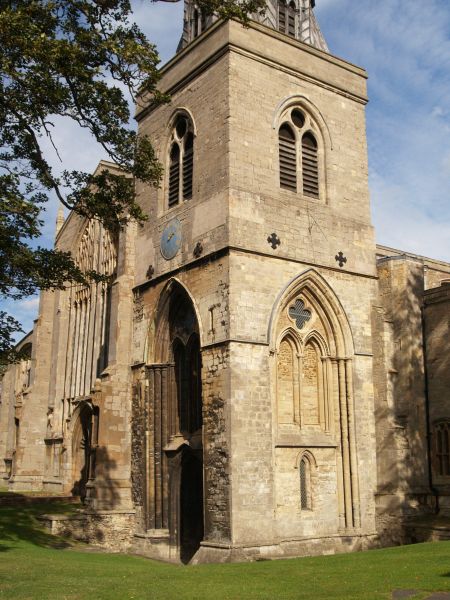
The Chapel of St Nicholas', King's Lynn, is England's largest surviving Parochial Chapel.
The geometrically ornate spire of St Nicholas' Chapel, Kings Lynn.
St Nicholas Chapel, King's Lynn:
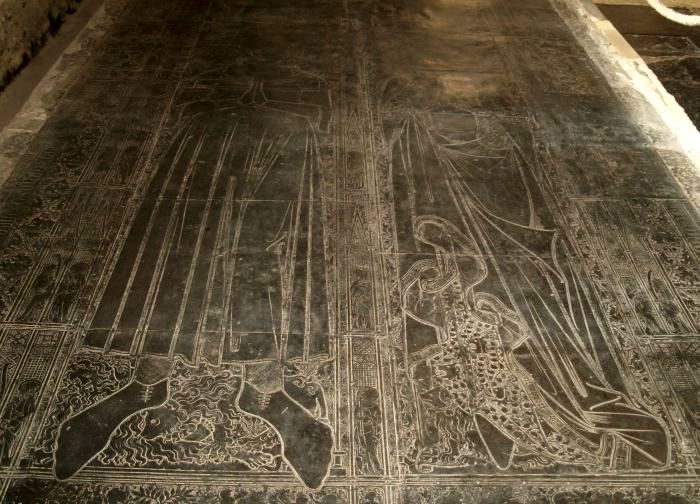
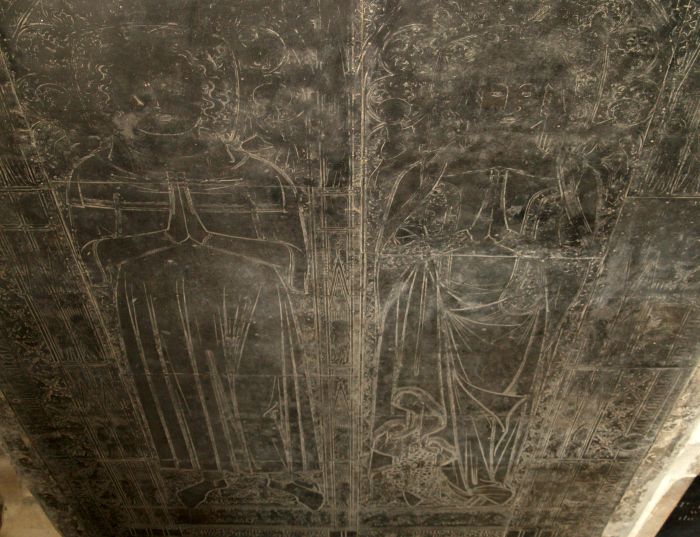
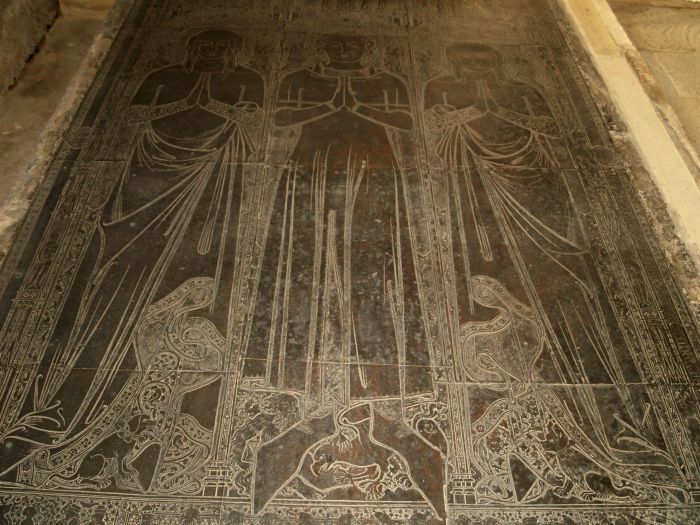
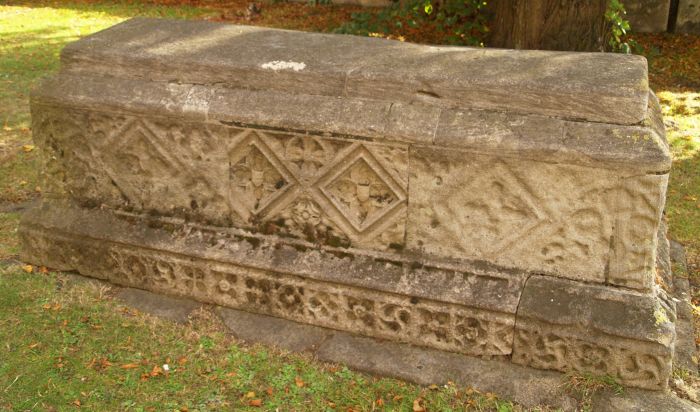
St Nicholas Chapel, King's Lynn: An old medieval tomb with elaborately carved gravestone sides.
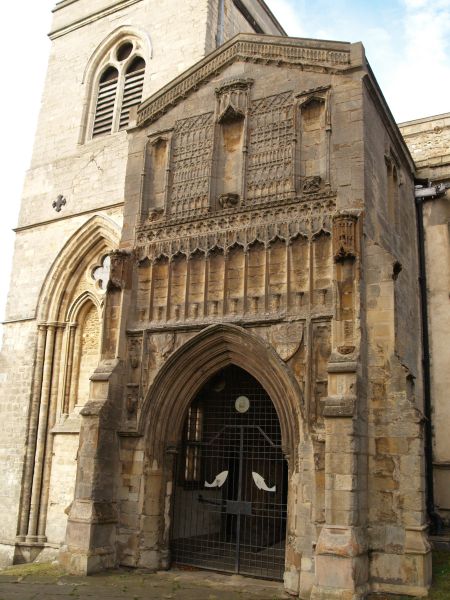
St Nicholas Chapel, King's Lynn: The finely decorated south porch.
St Nicholas Chapel, King's Lynn: The south porch door
St Nicholas Chapel, King's Lynn:
St Nicholas Chapel, King's Lynn: The stone star vault in the south porch entrance, with Lierne ribs with bosses surrounding a central figure of Christ in Glory.
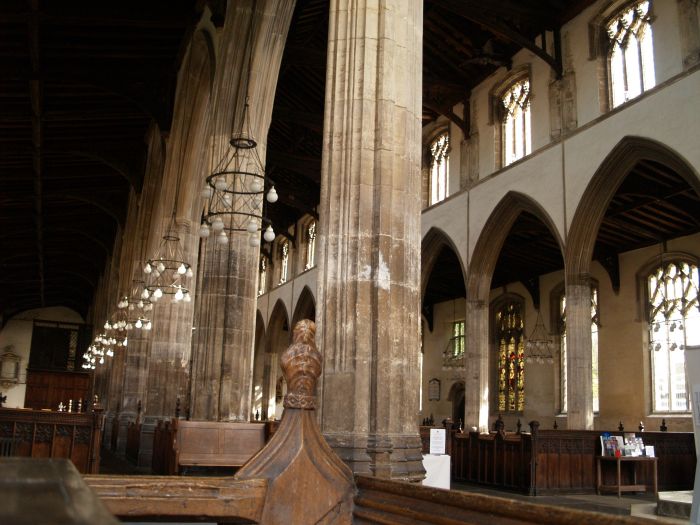
St Nicholas Chapel, King's Lynn: A 15th century carved wooden bench end. On the right is the north aisle of the nave.
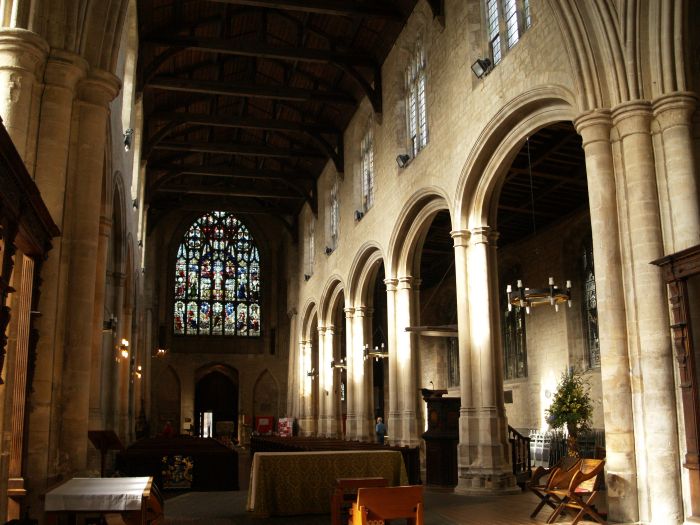
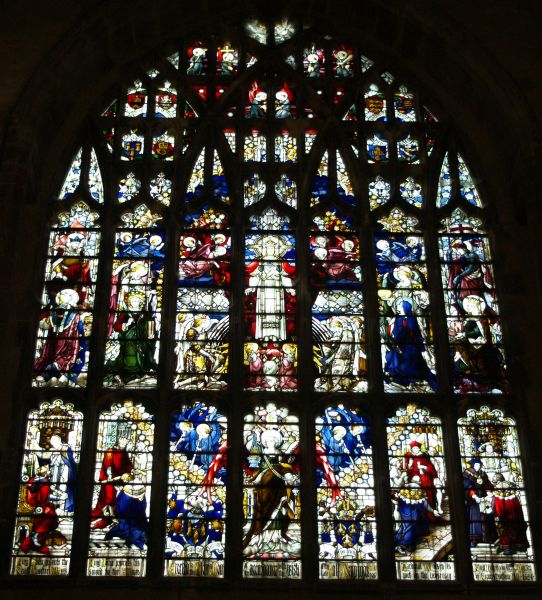
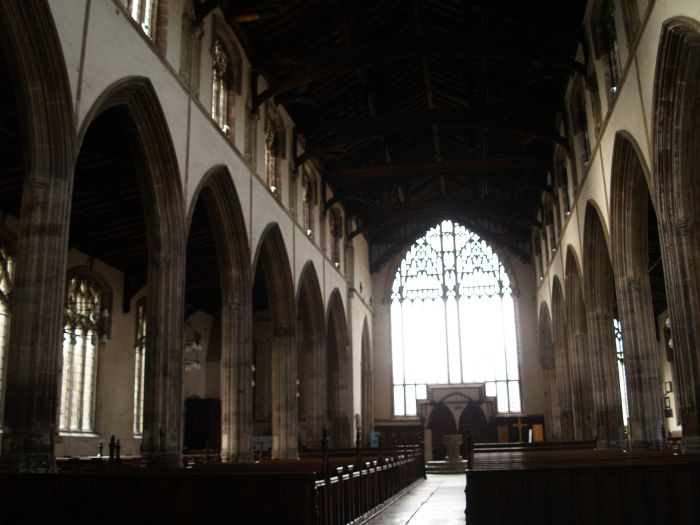
St Nicholas Chapel, King's Lynn: Looking west down the nave to the font. The south aisle on the left and the north aisle arcades on the right, at the end the large west window.
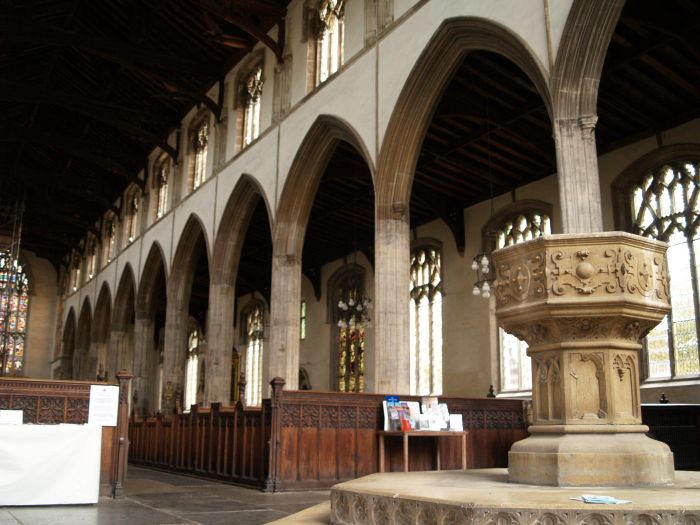
St Nicholas Chapel, King's Lynn: The font and the south aisle of the nave.
St Nicholas Chapel, King's Lynn:
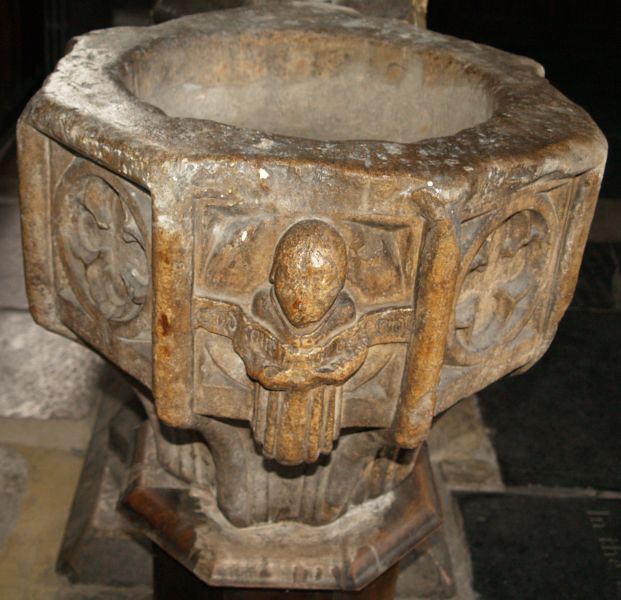
St Nicholas Chapel, King's Lynn: The large stone Holy water stoup with quatrefoils and figure with a scroll. The water stoup is from an earlier chapel.
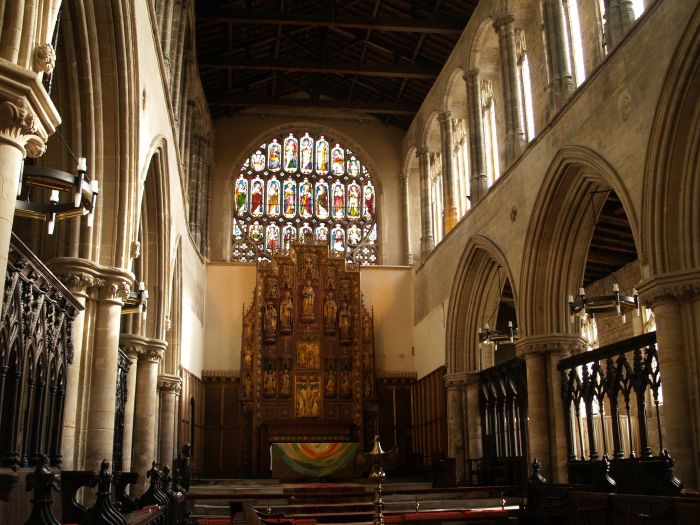
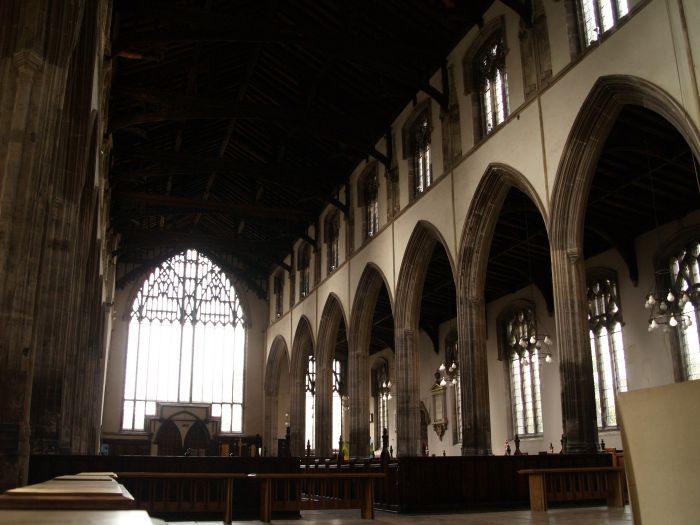
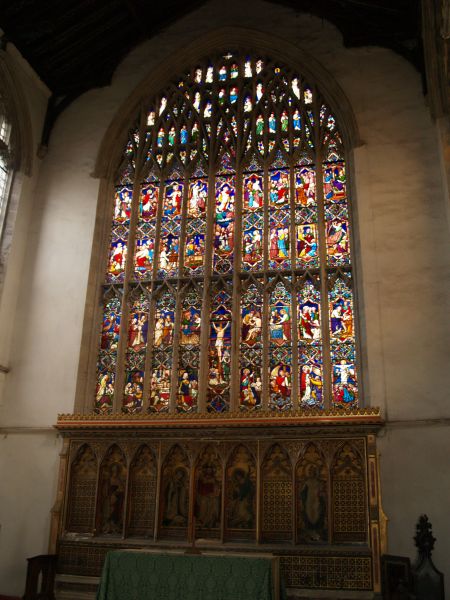
St Nicholas Chapel, King's Lynn: The great east window above the high altar.
St Nicholas Chapel, King's Lynn: The east window and the south east window of the chancel.
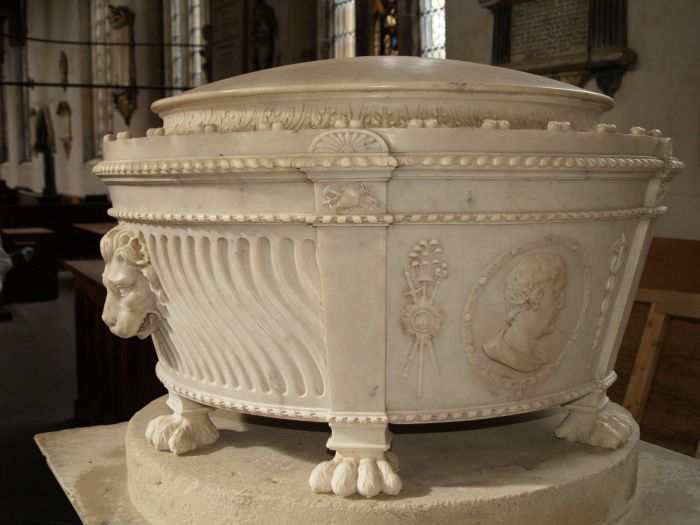
St Nicholas Chapel, King's Lynn: The memorial urn in marble to Sir Benjamin Keene from 1757 by Robert Adam. Keene was a Knight of the Bath Ambassador Extraordinary and 'Plenipotentiary to Ye Court of Spain, an able and faithful servant to his King and Country, honoured and beloved at the Court where he resided, valued and lamented by His Royal Master George the Second'.
St Nicholas Chapel, King's Lynn: The finely decorated memorial urn to Sir Benjamin Keene
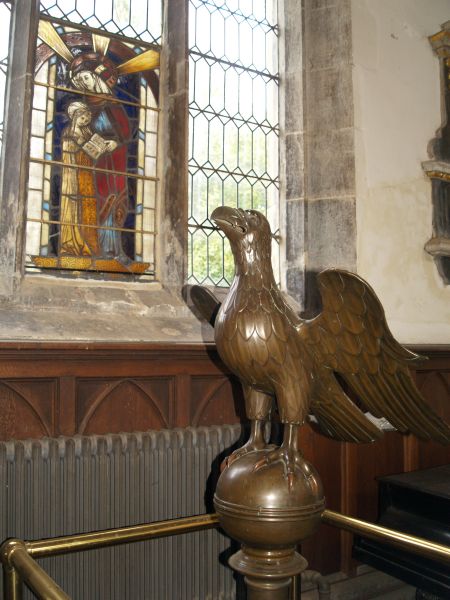
St Nicholas Chapel, King's Lynn: The 15th century brass lectern
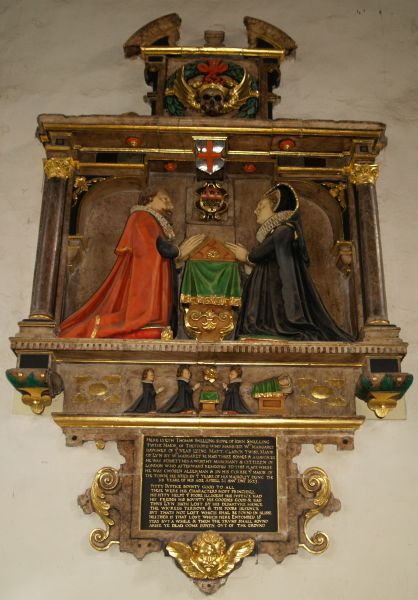
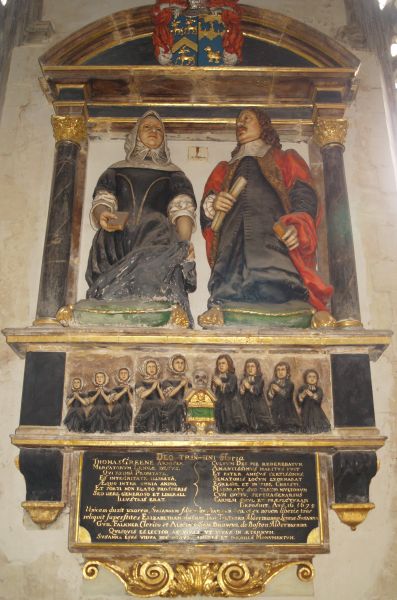
St Nicholas Chapel, King's Lynn: Left: The wall memorial of Thomas Smelling from 1623, showing his three sons and a daughter, the youngest son is in the cradle Right: The ? memorial
Detail from the Thomas Smelling memorial
Detail from the Thomas Smelling memorial
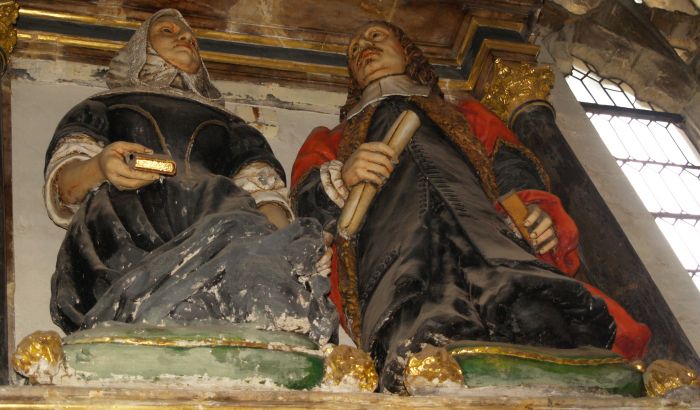
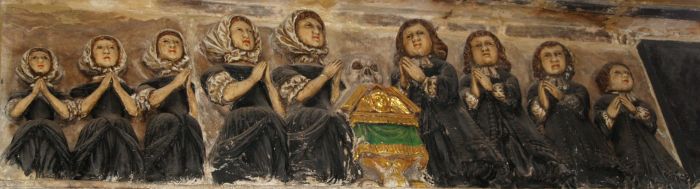
Detail from the ? memorial
Detail from the ? memorial
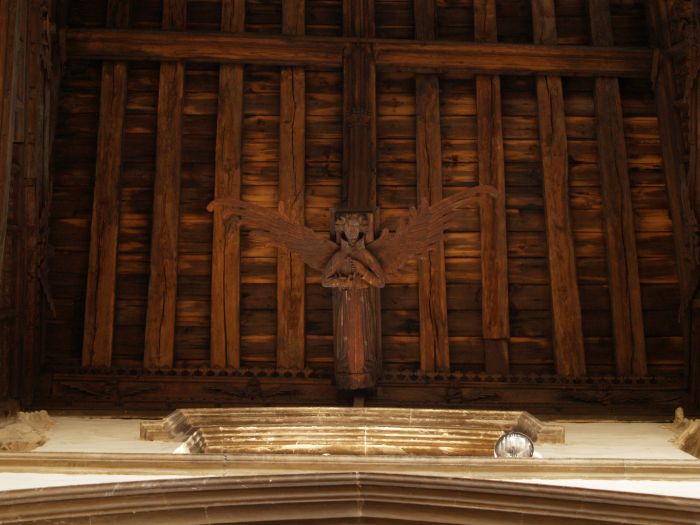
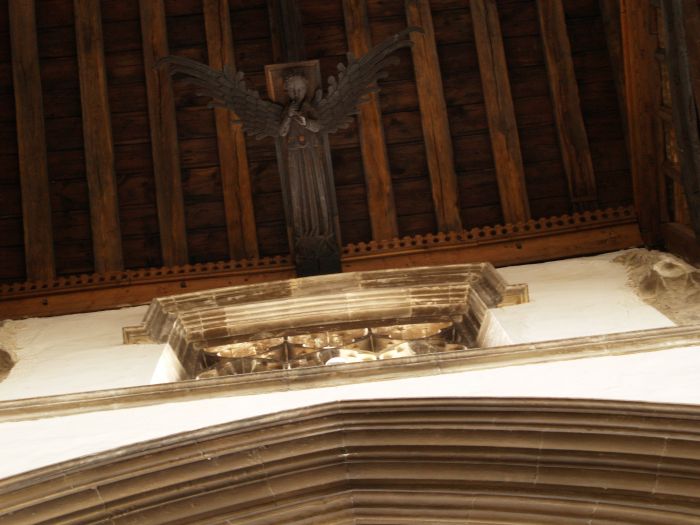
St Nicholas Chapel, King's Lynn: The 15th century wooden roof has a aeries of beautifully carved angels.
St Nicholas Chapel, King's Lynn: Another of the 'musical angels' from the 15th century roof.
St Nicholas Chapel, King's Lynn: Musical angel blowing a ? instrument?
Inn in Chapel Street, King's Lynn 15. The Lynn Museum
View from Paradise Parade of the Lynn Museum, King's Lynn, on Old Market Street, free admission from October to March. The museum building was once the impressively restored Victorian Union Baptist Chapel. The museum illustrates and describes the history of West Norfolk.
The Lynn Museum is the 'final' resting place of Seahenge - a unique 4000 year old bronze age timber circle found beneath a muddy beach. Learn about the story of West Norfolk which features Iceni gold coins, colourful Victorian fairground gallopers, detailed displays of Lynn's rich maritime history and family activities. 16. The Walks
On the east side of the town of King's Lynn are 'The Walks', the only surviving example of an 18th century town walk in Norfolk. Within its grounds is the unique 15th century Red Mount Chapel (see below) and there is a children's playground.
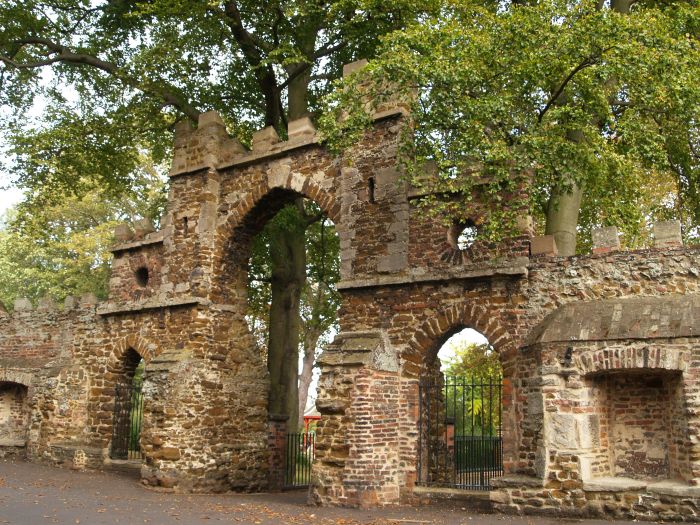
Ruins form an abbey or priory in 'The Walks'
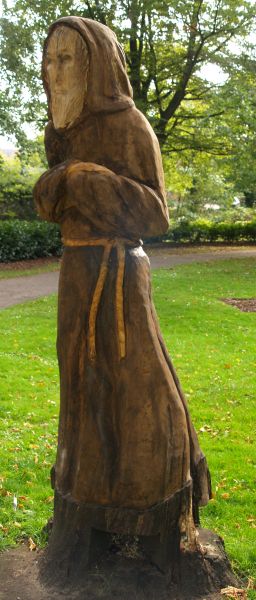
Wood carving statue of a monk in 'The Walks'
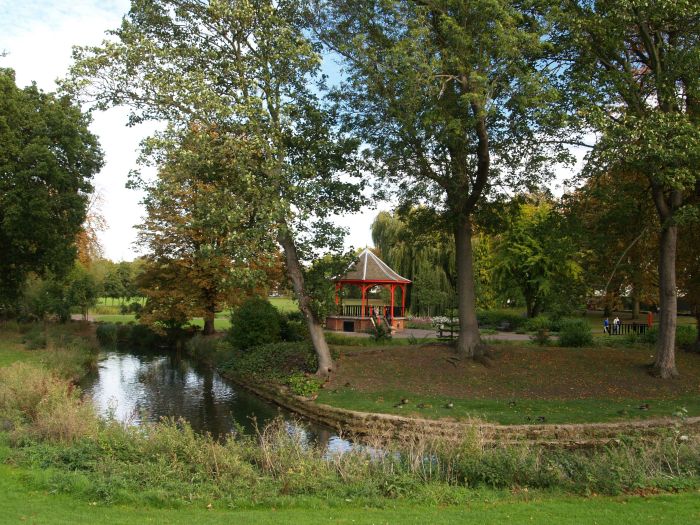
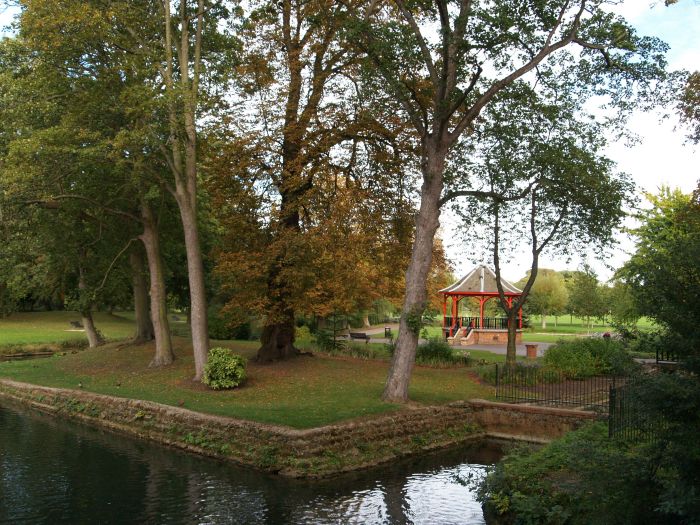
The Gaywood River and Rivulet with the Red Mount Chapel on the left.
This fine example of a complete Georgian Walk is beautifully landscaped and includes two children's play areas and a cafe.
17. Red Mount Chapel
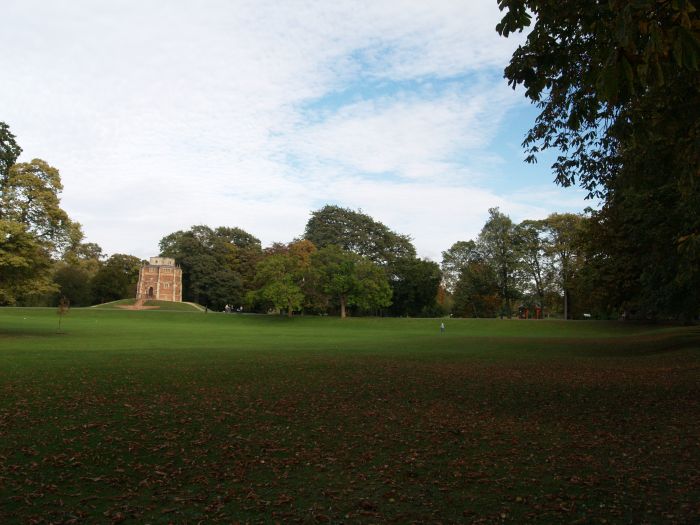
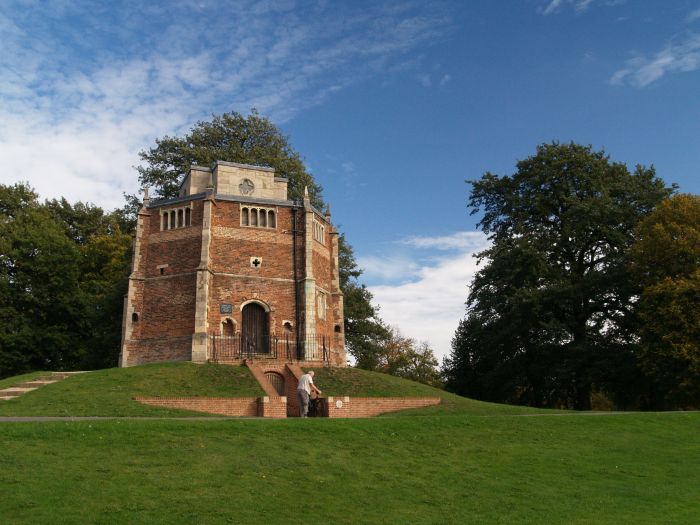
The brick built 15th century Red Chapel, King's Lynn, has been fully restored in the parkland of 'The Walks'. The Red Chapel was a wayside chapel for pilgrims on their way to the shrine of Our Lady of Walsingham.
The Red Chapel is a scheduled ancient monument and grade 1 listed church. The upper chapel of 1506 is apparently features a fan vaulted ceiling decorated with quatrefoils. 18. St John the Evangelist Church
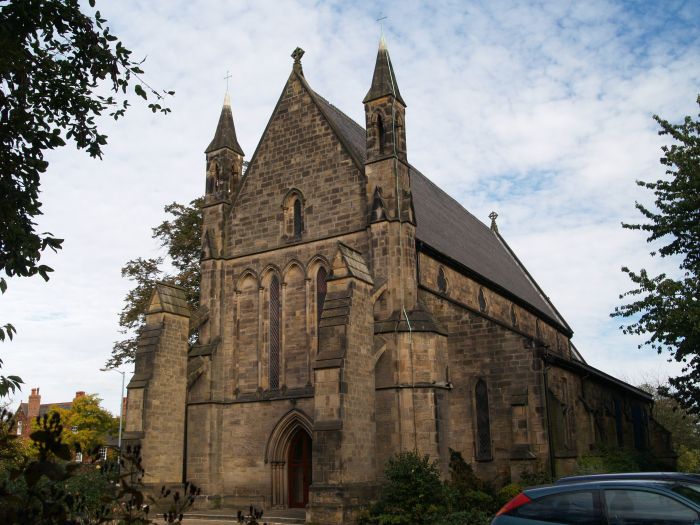
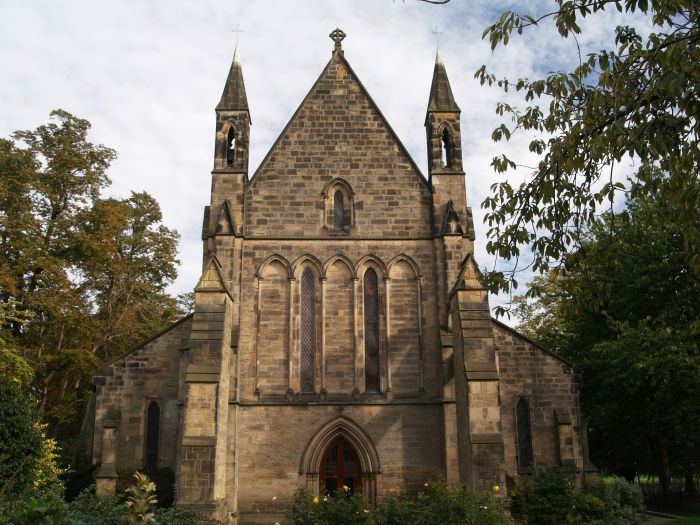
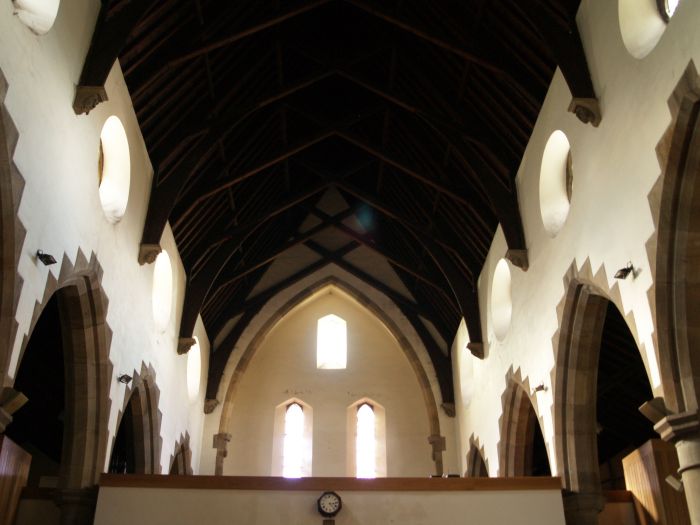
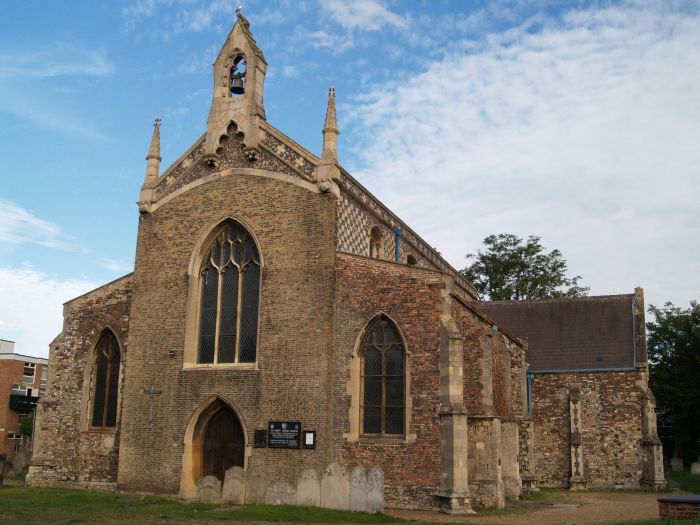
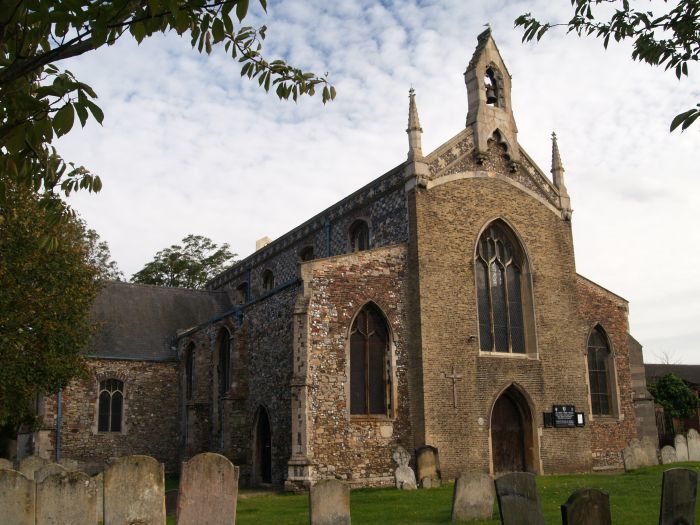
The Church of St John the Evangelist, King's Lynn, is a Gothic revival style building designed by Anthony Salvin and built in 1846.
St John the Evangelist, King's Lynn:
St John the Evangelist, King's Lynn:
St John the Evangelist, King's Lynn: The font and wooden cover of
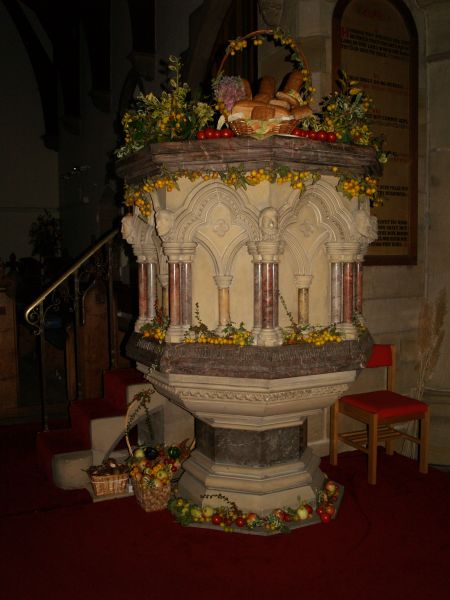
The pulpit of St John the Evangelist Church, King's Lynn:
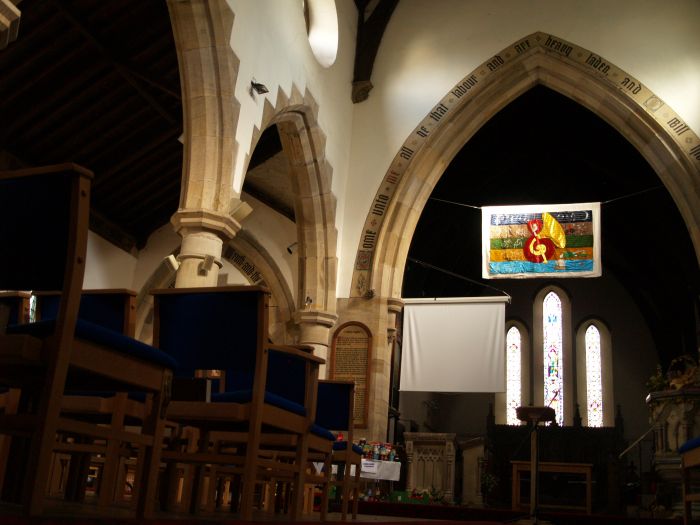
St John the Evangelist Church, King's Lynn:
19. The Library
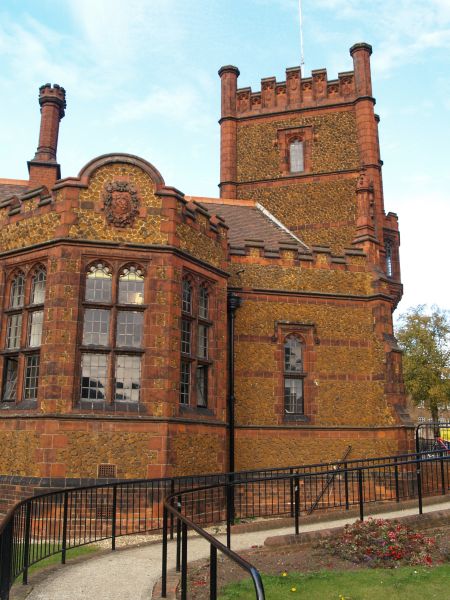
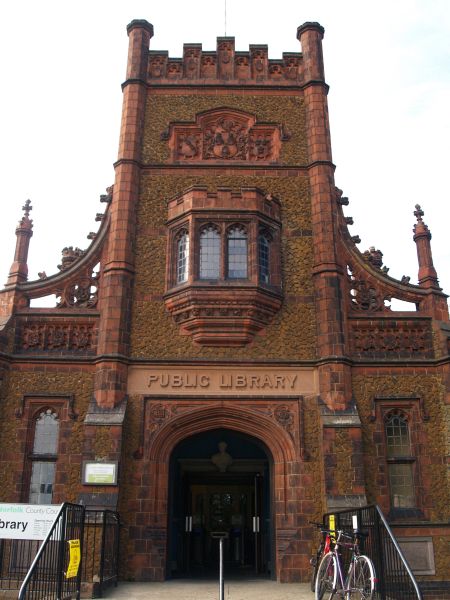
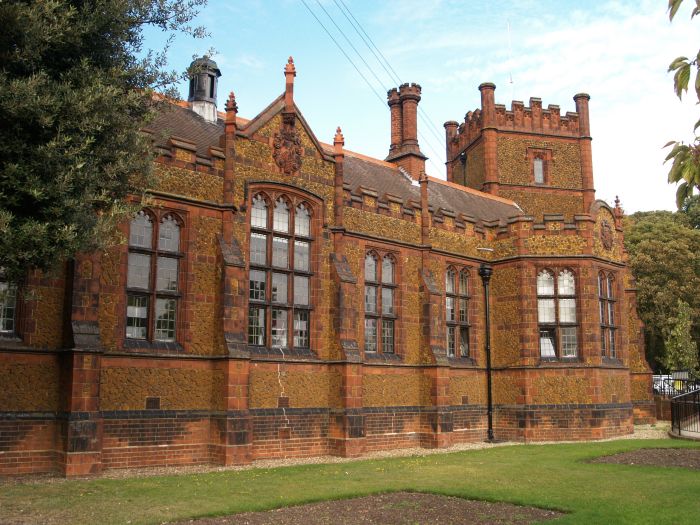
The interesting design of the 'Public Library' building in King's Lynn, quite a piece of architecture. This Edwardian public library was funded and opened by the philanthropist Andrew Carnegie.
'Public Library' King's Lynn :
'Public Library' King's Lynn :
'Public Library' King's Lynn : 20. Greyfriars Tower and Tower Gardens
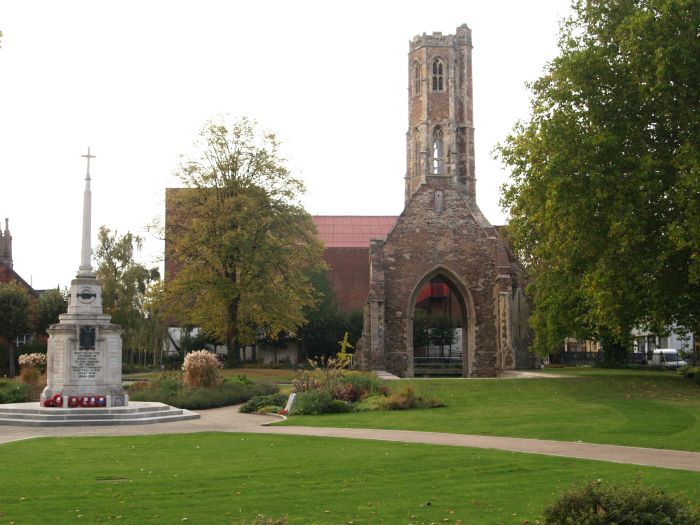
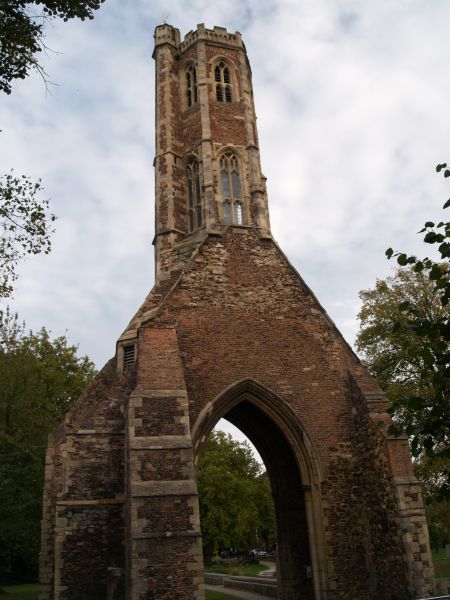
The few ruinous remains of the 13th-15th century Greyfriars tower of King's Lynn's Franciscan friary set out in some nicely laid out gardens and accompanied by the war memorial.
This is the last significant architectural feature of the friary established in the 1230s by a group of Franciscan Friars.
The grade 1 listed Greyfriars tower is surrounded by the Friary Gardens, whose grounds were once part of the land of the medieval friary.
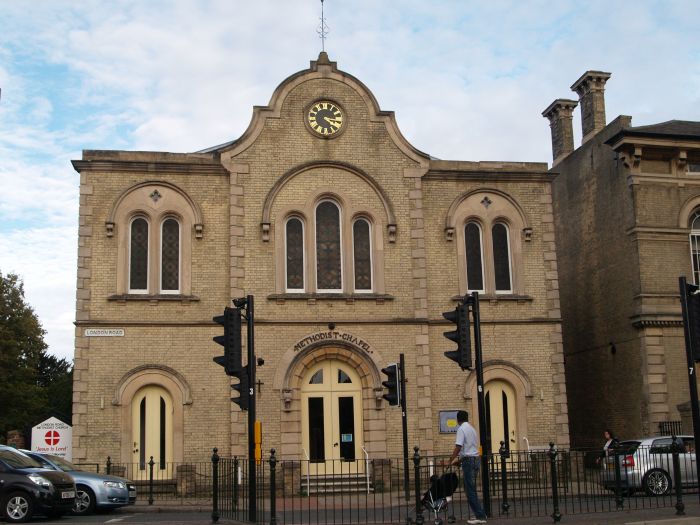
The Methodist Chapel in London Road, King's Lynn, is just across from Greyfriars Tower and Gardens. 21. All Saints' Church
The parish of All Saints Church, King's Lynn, is mentioned in the Domesday Book and the ancient church of All Saints is a fine looking building surrounded by houses west of London Road. The outside walls surrounding clerestory windows are built with the lovely chequered pattern of flint and stone.
All Saints Church, King's Lynn:
All Saints Church, King's Lynn: 22. The South Gate
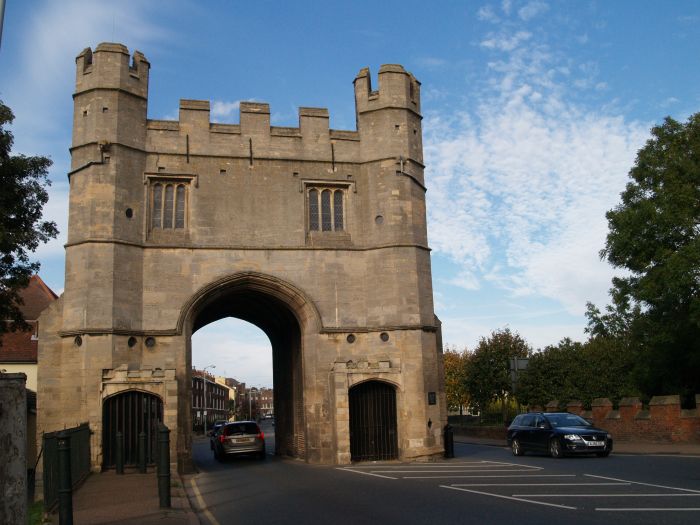
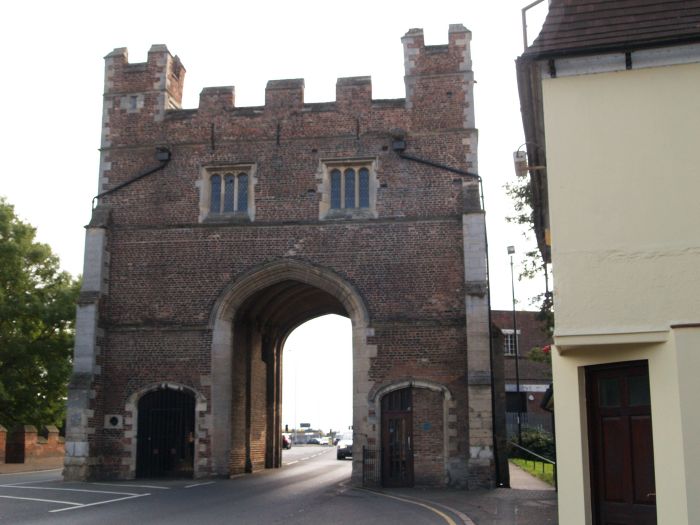
Its a bit of walk down London Road, but the stroll down to the South Gate, King's Lynn, is well worth the effort. It is quite an impressively solid piece of medieval 15th century architecture built in brick - as many of the medieval buildings in King's Lynn are. Despite the busy road traffic passing it by, it has survived very well with the minimum of restoration.
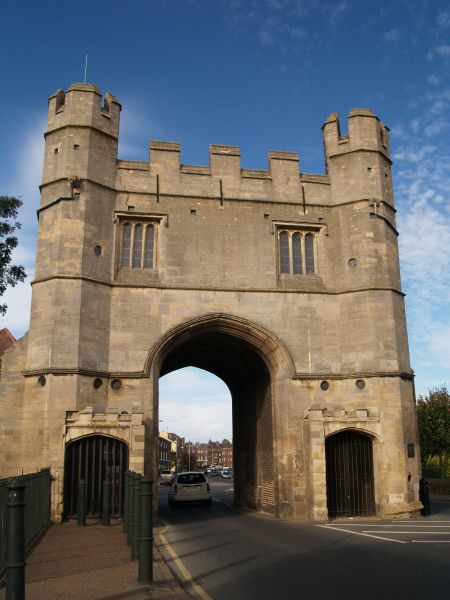
View from the south of this imposing Ancient Scheduled Monument, a Grade I listed building, and all of its three floors can be visited. The South Gate is the most impressive part remaining of King's Lynn's defensive wall, tower and gate system.
View of the South Gate from the south on London Road. The South Gate didn't just act as part of the town defences, but was also used to collect tolls and duty on merchandise entering the Lynn town. A brief history of the town of Kings Lynn King’s Lynn
is one of the most historically layered towns in England — a place where
Anglo‑Saxon settlement, medieval monastic power,
Hanseatic trade, maritime wealth,
religious architecture, and industrial change
all left deep marks. King’s Lynn began as an Anglo‑Saxon riverport called Linn, grew into one of England’s richest medieval ports, became a major Hanseatic trading centre, flourished under the Bishop of Norwich, and retains one of the best-preserved medieval townscapes in Britain. Its churches, guildhalls, warehouses, and merchant houses reflect centuries of maritime wealth and civic independence. 1. Origins: Anglo‑Saxon and early medieval Lynn (7th–11th centuries)Early settlement
Strategic location
Ecclesiastical control
2. Medieval boom: Bishop's Lynn and the Hanseatic world (1100–1500)2.1 Foundation of the medieval town
2.2 A major English portBy the 13th century, Lynn was one of the top three ports in England, alongside London and Southampton. Exports
Imports
2.3 The Hanseatic LeagueLynn was one of only a handful of English
towns with a Hanseatic Kontor (trading house). 2.4 Guilds and civic powerLynn had powerful guilds, including:
Their wealth funded churches, almshouses, and civic buildings. 3. Notable churches and religious buildings3.1 King's Lynn Minster (St Margaret's Church)
3.2 St Nicholas' Chapel
3.3 St James's Church
3.4 Greyfriars Tower
4. Civic and mercantile buildings4.1 The Guildhall of St George
4.2 The Custom House (1683)
4.3 Hanse House
4.4 Town Hall and Trinity Guildhall
4.5 South Gate
5. Social and economic history5.1 Medieval society
5.2 Tudor and Stuart Lynn
5.3 Georgian and Victorian Lynn
5.4 20th century
5.5 21st century
6. Notable people associated with King's LynnMargery Kempe (c. 1373–after 1438)
George Vancouver (1757–1798)
Michael Clanchy
Sir Robert Walpole (1676–1745)
Frederick Savage (1828–1897)
Captain George Manby (1765–1854)
7. Urban landscape and surviving medieval fabricKing’s Lynn has one of the best-preserved medieval street plans in England. Key areas
The town’s architecture reflects 800 years of maritime prosperity. 8. King's Lynn today
Here is a rich, atmospheric,
historically grounded walking guide to King’s Lynn, designed in
the same style as your railway and heritage guides — layered,
chronological, architectural, and socially aware. ⭐ King's Lynn: A Full Historical Walking TourRoute: Saturday Market Place → King’s Lynn Minster → Priory Lane → St Nicholas’ Chapel → Pilot Street → Hanse House & South Quay → Custom House → Purfleet → Tuesday Market Place → St George’s Guildhall → King Street → Clifton House → Greyfriars Tower → The Walks → South Gate → return to town centre Distance:
~2.5 miles 1. Start: Saturday Market PlaceThis is the oldest civic heart of King’s Lynn — the centre of Old Lynn. What you see
Historical significanceThis was the commercial centre of
Bishop's Lynn, laid out by Bishop Herbert de Losinga in the
early 12th century. 2. King's Lynn Minster (St Margaret’s Church)Walk directly into the Minster from the square. What to look for
Why it mattersThis is one of the finest parish
churches in England, reflecting Lynn’s medieval wealth. 3. Priory Lane → St James’s ParkWalk east along Priory Lane. What you see
Historical noteThis area reflects the dual-town structure of medieval Lynn — two parishes, two markets, two centres of power. 4. St Nicholas' ChapelContinue north to the magnificent chapel. What to look for
Why it mattersBuilt for the expanding population of New Lynn, this chapel shows the town’s 14th–15th century prosperity. 5. Pilot Street → Hanseatic QuarterWalk west down Pilot Street, one of the most atmospheric medieval lanes in England. What you see
Historical significanceThis was the Hanseatic quarter, home to merchants trading with Lübeck, Hamburg, and the Baltic. 6. Hanse House & Marriott's Warehouse (South Quay)Arrive at the riverfront. What to look for
Why it mattersThis was the beating heart of Lynn’s international trade — wool, grain, fish, timber, wine, and luxury goods. 7. Custom House (1683)Walk south along the quay to the iconic Custom House. What you see
Historical significanceSymbol of Lynn's maritime wealth in the
Restoration era. 8. Purfleet → Tuesday Market PlaceCross the Purfleet Bridge and walk east. What you see
Historical noteThis was the centre of Georgian Lynn, where agricultural wealth and port trade converged. 9. St George's GuildhallWalk north along King Street. What to look for
Why it mattersReflects the power of the Trinity Guild, the merchant elite who dominated Lynn's civic life. 10. King Street → Clifton HouseContinue down King Street, one of the best-preserved medieval streets in England. What you see
Historical significanceThis was the residential street of Lynn's wealthiest merchants. 11. Greyfriars TowerWalk west to the park. What to look for
Why it mattersOne of the few standing Franciscan towers in England. 12. The WalksContinue south into the Georgian promenade. What you see
Historical noteCreated as a genteel promenade for the Georgian elite. 13. South GateWalk to the southern edge of the Walks. What you see
Why it mattersSymbol of Lynn's civic pride and medieval fortifications. 14. Return to the town centreWalk back north along London Road, returning to Tuesday Market Place or the Minster. ⭐ What this walk revealsBy following this route, you experience:
King's Lynn is a living textbook of English urban history, unusually intact and deeply atmospheric. A brief history of the town of Kings Lynn Eastern England and East Anglia images pictures photos © Phil Brown docspics photographs docspics England images pictures © Phil Brown travel tours top tourist destinations tourist information weekend breaks mini-breaks family holidays restaurants touring coach trips pleasure cruises, Walks, Holidays in Norfolk, Suffolk, Essex, Top tourist attractions, bargain accommodation, self-catering cottages flats, luxury hotels, B&B, pubs with history & character, lively bars, good places to eat, dining out, restaurants, walking, cycling, coach tours, museums, art galleries, historic buildings, castles, churches, medieval houses, abbeys, heritage steam railways, historic medieval towns, pretty villages, visual arts exhibitions, self-catering cottages & holiday flats, rural lanes to cycle along in the fen country |












































 Enter place, village, building, feature,
church, anything!
Enter place, village, building, feature,
church, anything!