|
 Enter place, walk, mountain, hill, village, town. city, feature, historic site or
building, museum, anything of interest!
Enter place, walk, mountain, hill, village, town. city, feature, historic site or
building, museum, anything of interest!
|
|
14.
Some
industrial archaeological aspects of Castleton
North
Yorkshire *
Castleton Quarries The Castleton quarries are on the moor top just north of the railway line.
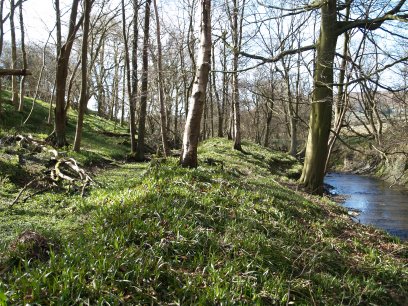
Castleton Mill Race The mill race starts about 1 mile (~1.5 km) south of Castleton village and runs north to a where the medieval manorial (and later) mills were situated, just to the west of Danby Low Moor (locally referred to as the 'Howe').
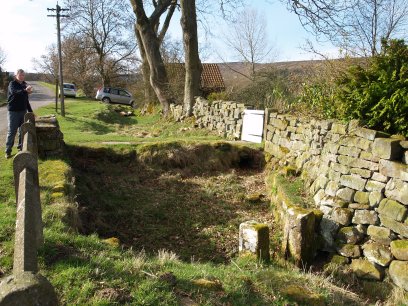
The house beyond the mill pond is the site of the medieval manorial mill and the wheelhouse of a much later mill can still be seen. The channel from the mill pond into the wheelhouse can still be seen (right-hand extension of the house). Castleton Kiln This old kiln is situated north of Box Hall and south-west of White Cross. I'm not sure whether its a limekiln or a bracken burning kiln.
Fragments of North Yorkshire Moors history & archaeology sites * docspics photos images pictures © Phil Brown Northern England * Archaeological and Historic Holiday Trips, Historic Towns, Villages, Buildings, Museums |
||||||||||||||||||||||||||||||||||||||||